English
한국어
English
Español
中文
हिंदी
Home
News
Community
Dictionary
English
한국어
English
Español
中文
हिंदी
View list
Horse chestnut
Aesculus flava
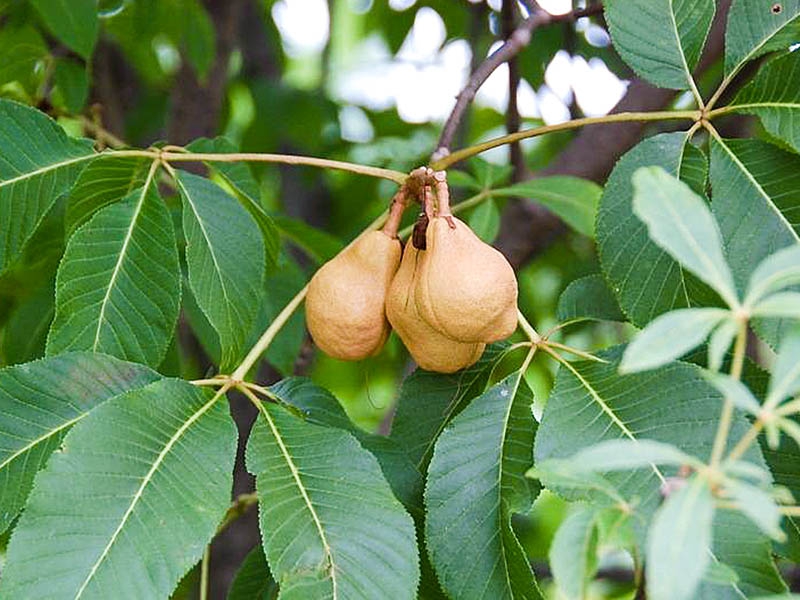
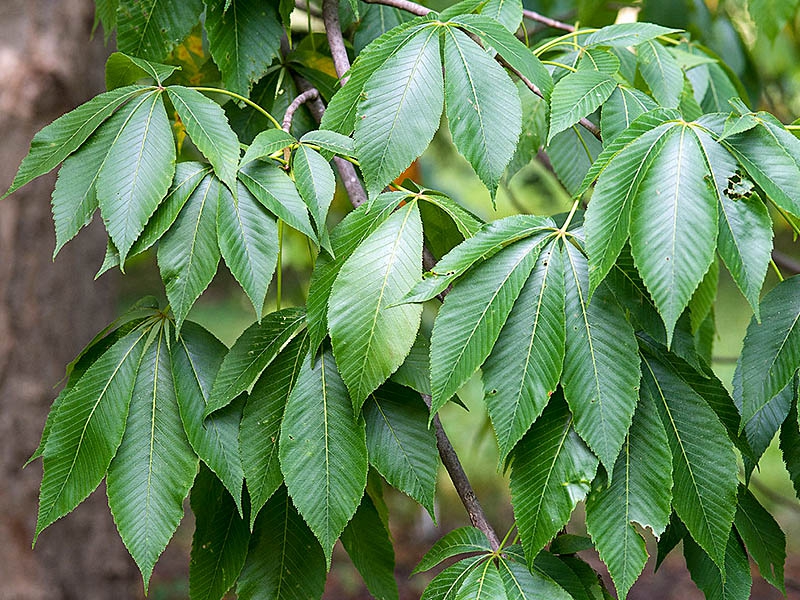
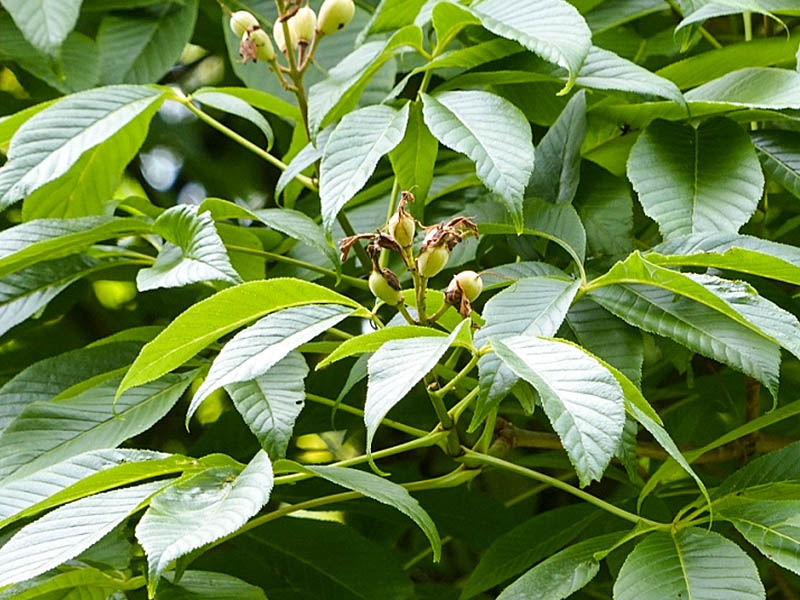
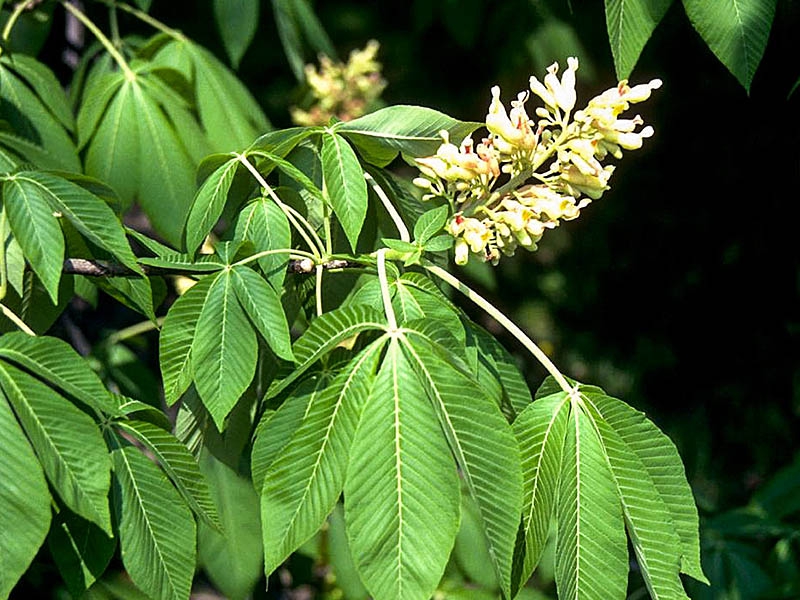
Horse chestnut flava (Aesculus flava) is a deciduous tree that is one of the most popular trees in gardens due to its beautiful yellow flowers and attractive leaves. The following covers the growth characteristics, propagation methods, cultivation techniques, garden uses, and important pests and diseases and control methods for Horse Chestnut flava. Growth Characteristics - Height and Size: Mature trees grow up to approximately 20–25 meters in height and reach a width of 12–15 meters. - Growing Conditions: It prefers sunlight and thrives best in well-drained, fertile soil. Maintaining adequate moisture is important. - Leaves and Flowers: Yellow flowers bloom in spring, with 5–7 leaves growing in clusters. In autumn, the leaves turn red, adding to the landscape. Propagation Methods - Seed Propagation: Ripe seeds can be collected in autumn, subjected to a cold stratification process, and sown in the spring. - Transplanting: Young trees can be propagated by transplanting them via root culture, but caution is required as the roots are sensitive. Cultivation Methods - Planting Time and Spacing: It is appropriate to plant in late winter or early spring, and spacing should be wide to ensure adequate space. - Watering and Care: Young trees require regular watering, while mature trees rarely require additional watering. However, watering is necessary during droughts. - Fertilizer: Apply sufficient manure at the time of planting, and add fertilizer later as needed. Garden Uses - Horse Chestnut (Aesculus flava) is suitable for ornamental purposes due to its large, beautiful flowers and seasonal foliage. It is also excellent as a shade tree. Important Pests and Control Methods - Diseases: Yellow horse chestnut (Aesculus flava) may occur, causing black spots on the leaves. This can be prevented by improving drainage and air circulation. - Pests: Damage from scale insects may occur; control measures using pesticides are necessary. - Control Methods: It is important to detect pests and diseases at an early stage through periodic monitoring and take appropriate control measures. Environmentally friendly control methods that consider the ecosystem can also be introduced. The horse chestnut tree (Aesculus flava) is a tree that can grow beautifully with proper care and attention. It not only enriches the garden landscape but can also provide significant benefits to the ecosystem.
Plant Type
Plant Family
Sapindaceae
Height
15~27m
Spread
9~15m
Colors
red, yellow
Bloom Period
April to August
Water Needs
commonly
Exposure
Sunny
Freezing Resistance
-30°C
Horse chestnut
Aesculus hippocastanum
African Agapanthus
Agapanthus africanus