English
한국어
English
Español
中文
हिंदी
Home
News
Community
Dictionary
English
한국어
English
Español
中文
हिंदी
View list
Korean dogwood
Syringa reticulata
var.
amurensis
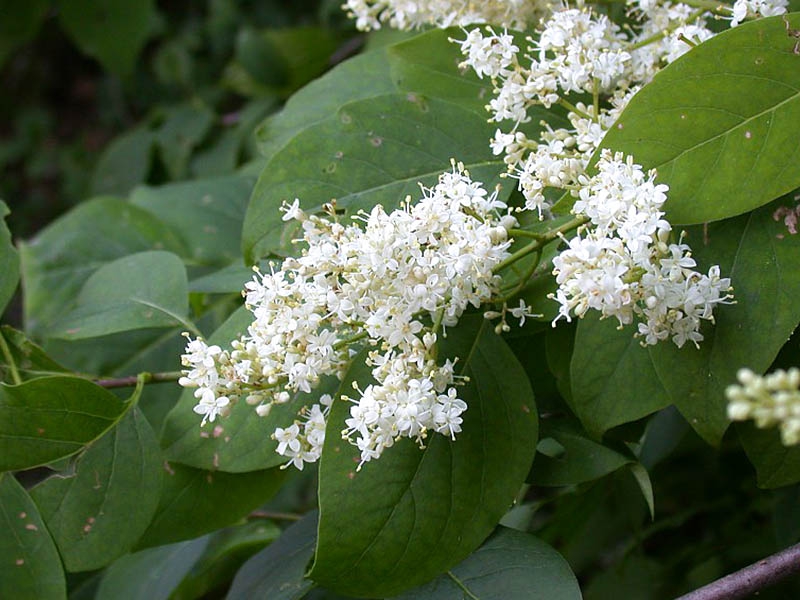
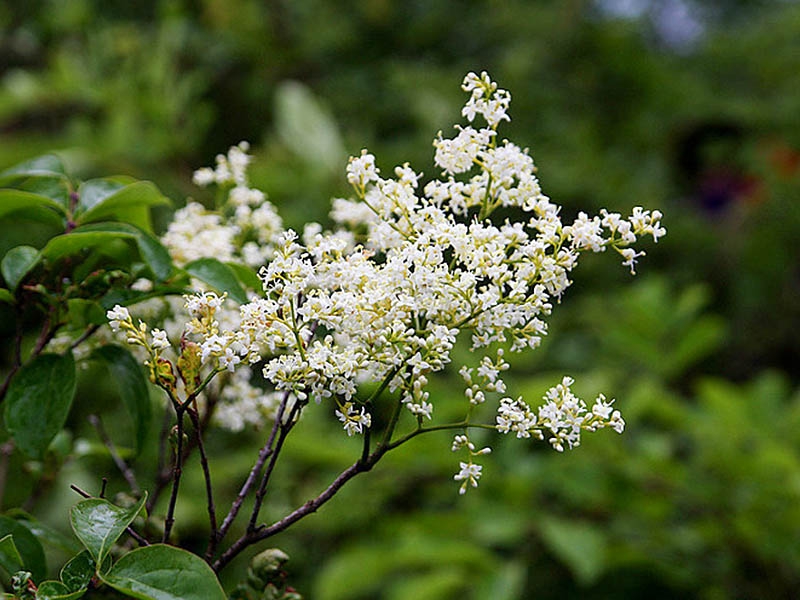
Syringa reticulata var. mandshurica is an attractive ornamental plant that adapts well to various environments. The following describes the plant's growth characteristics, propagation methods, cultivation techniques, garden uses, and major pests and diseases, as well as control methods. Growth Characteristics - Height: It grows to about 6–10 meters and can also be cultivated as a shrub. - Leaves: The leaves are oval or egg-shaped and are a deep, vivid green. - Flowers: Small white or light purple flowers bloom in conical inflorescences during the summer and have a pleasant fragrance. - Cold Hardiness: It is generally highly cold-hardy and thrives even in cold regions. Propagation Methods - Seeds: It can be propagated by sowing seeds collected in the spring, but the germination rate may be low. - Cuttings: It can be easily propagated by taking greenwood cuttings during the summer. - Grafting: New varieties can be developed by grafting with other lilacs. Cultivation Methods - Soil: Well-drained loam is suitable, and slightly acidic soil pH is ideal. - Sunlight: It thrives in sunny locations and can grow to some extent in partial shade. - Watering: Moderate watering is necessary, and it is important to avoid overwatering. - Fertilizer: Provide nutrients using slow-release fertilizer during the growing season. Uses in Gardens - Ornamental Tree: It is loved as a garden plant due to the fragrance and beauty of its flowers. - Hedges: It is suitable for use as a hedge to define garden boundaries. - Urban Landscaping: Due to its good tolerance to pollution and strong resistance, it is used in urban parks and street landscaping. Major Pests and Diseases & Control Methods - Diseases: Powdery mildew and leaf blight may occur; these can be prevented by creating a well-drained environment and planting in areas with good air circulation. - Pests: Aphid and butterfly moth larvae may occur. Manage them by using eco-friendly insecticides or utilizing natural predators at the early stages of infestation. - Other Controls: Promote healthy growth and prevent pests and diseases through periodic pruning and debris removal. This plant is relatively easy to care for and adapts well to various environments, making it suitable for garden use.
Plant Type
Plant Family
Oleaceae
Height
5~12cm
Spread
Colors
white
Bloom Period
June
Water Needs
commonly
Exposure
Sunny
Freezing Resistance
-30°C
lilac
Syringa vulgaris
Syringa vulgaris
Syringa oblata var. dilatata