English
한국어
English
Español
中文
हिंदी
Home
News
Community
Dictionary
English
한국어
English
Español
中文
हिंदी
View list
Korean mint
Agastache rugosa
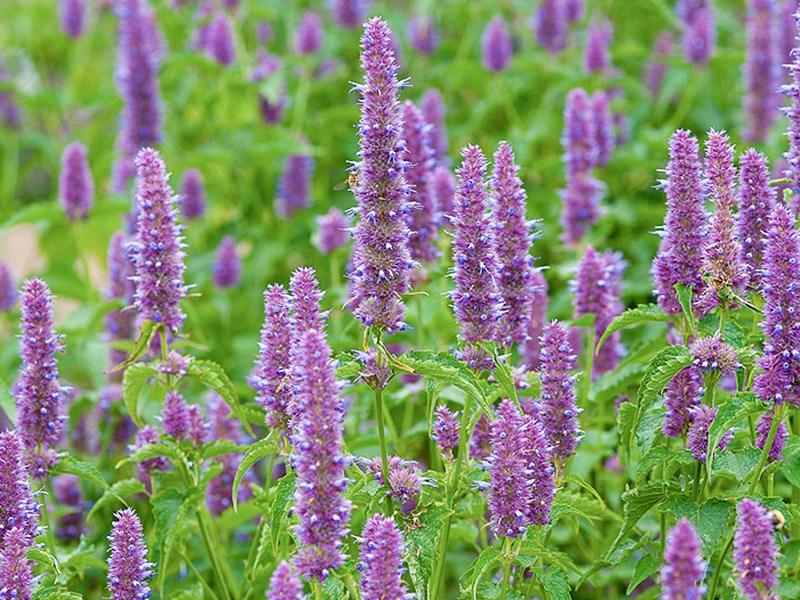
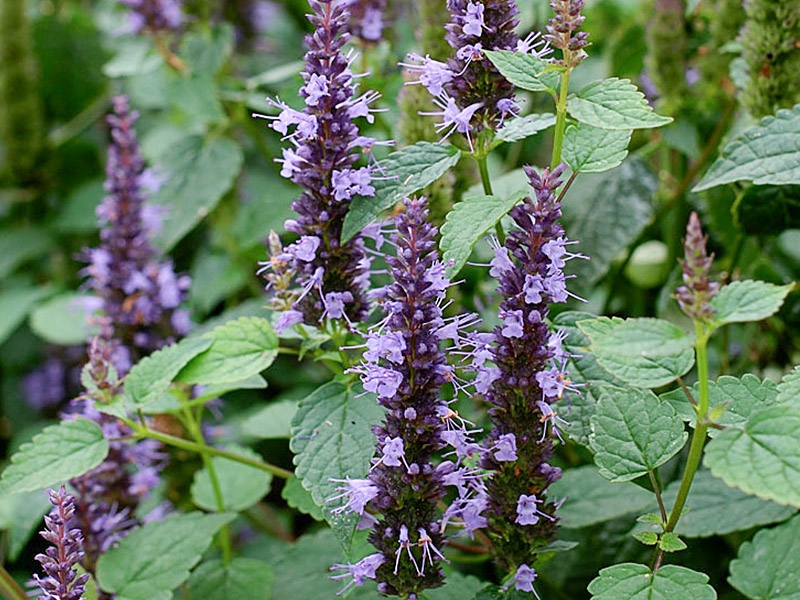
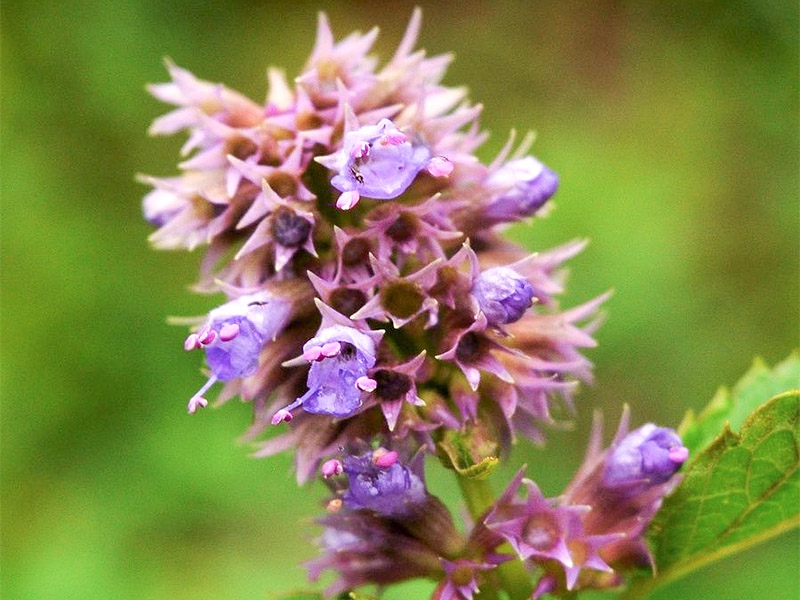
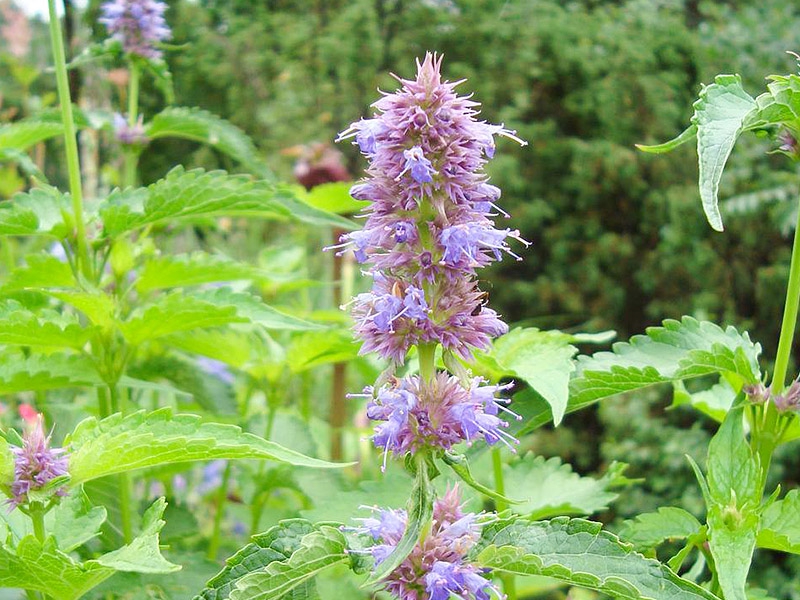
Agastache rugosa is a perennial herbaceous plant belonging to the Lamiaceae family, commonly found in gardens due to its distinctive fragrance and beautiful flowers. The following is information regarding the growth characteristics, propagation methods, cultivation methods, garden uses, and major pests and control methods of Agastache rugosa. Growth Characteristics: - Height: It typically grows to about 60–100 cm. - Flowers: Purple flowers bloom from summer to autumn, and their abundant nectar attracts bees and butterflies. - Hybridization: Agastache rugosa can form hybrids with other nearby Agastache species. - Leaves: The leaves have a fragrant aroma and feature serrated edges. Propagation Methods: - Seeds: It can be propagated by sowing seeds directly in the spring. Seeds should be sown shallowly, and germination takes about two weeks. - Propagation by Cuttings: It can be propagated by stem cuttings during the summer, and roots will form about a month after planting. - Division: It can also be propagated by dividing clusters in spring or autumn. Cultivation Methods: - Soil: It thrives in well-drained soil, and a neutral to slightly acidic pH is suitable. - Sunlight: It prefers sunny locations, but can also grow in partial shade. - Watering: It dislikes dry environments, so periodic watering is necessary. However, it is best to avoid overwatering. - Fertilizer: It is recommended to apply a small amount of general-purpose fertilizer in spring and early summer. Garden Uses: - Korean mint is excellent for decorating flower bed edges or as a herbaceous border plant. - Due to its strong fragrance, it is well-suited for scented gardens or herb gardens. - The flowers can be used for flower arrangements or as cut flowers, while the leaves can be brewed into tea or used in cooking. Important Pests and Control Methods: - Diseases: Although generally resistant to disease, it can contract fungal diseases, especially during the rainy season. To minimize damage, it is important to ensure good ventilation. - Pests: Aphids or mites may occur; these can be removed by spraying water or using eco-friendly insecticides. - Prevention: Planting with sufficient spacing improves ventilation, and removing weeds around the plants can prevent the occurrence of pests and diseases. Considering these characteristics of Agastache, you can utilize it appropriately in your garden.
Plant Type
Plant Family
Lamiaceae
Height
40~100cm
Spread
Colors
purple
Bloom Period
July to September
Water Needs
commonly
Exposure
Sunny
Freezing Resistance
-30°C
Agaristar populifolia
Agarista populifolia
Blue-flowered mint
Agastache foeniculum