English
한국어
English
Español
中文
हिंदी
Home
News
Community
Dictionary
English
한국어
English
Español
中文
हिंदी
View list
Korean dogwood
Syringa reticulata
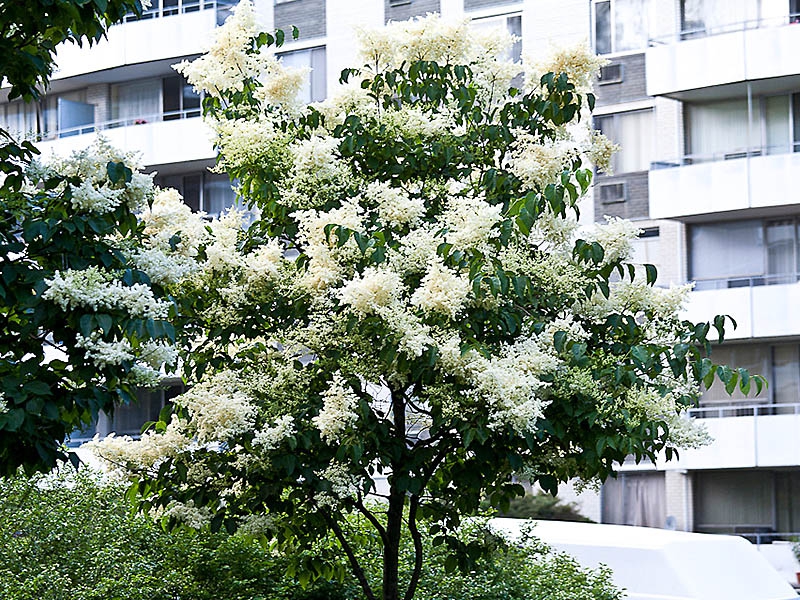
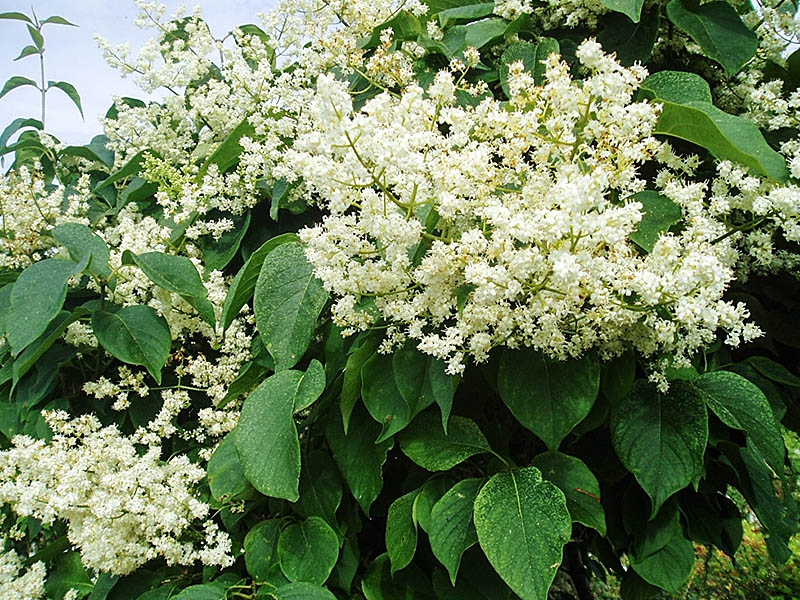
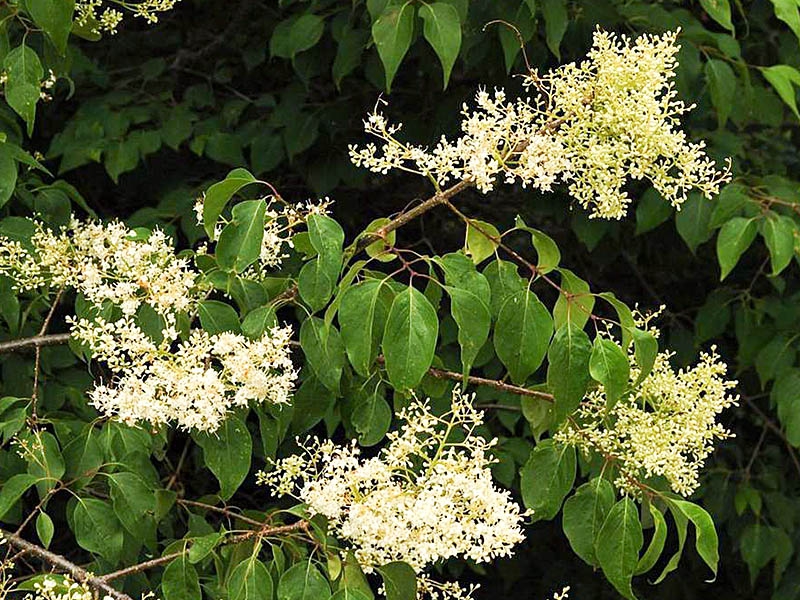
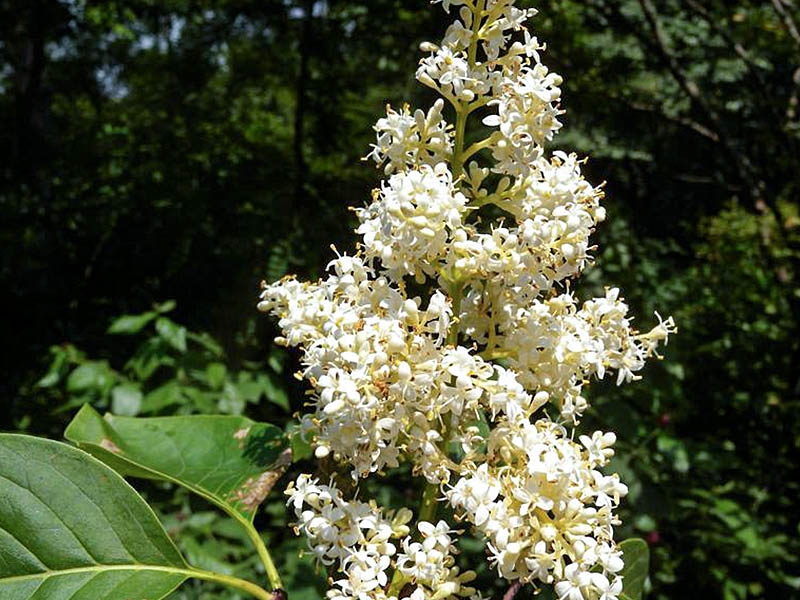
Syringa reticulata is a plant native to the temperate regions of the Northern Hemisphere. It is primarily found in Japan and China, but it is also a species that can be seen in Korea. The following describes the growth characteristics, propagation methods, cultivation methods, garden uses, major pests and diseases, and control methods for Syringa reticulata. Growth Characteristics - Height and Appearance: Syringa reticulata is a medium-sized tree that grows to approximately 6 to 10 meters in height. The branches are upright, and the tree becomes lush with dark green leaves after flowering. - Flowers: Cream-colored or white flowers bloom in the summer and have a strong fragrance. The flowers bloom in conical clusters at the tips of the branches. - Growing Environment: It prefers sunlight and thrives in well-drained soil. It is resistant to cold and tolerates urban environments relatively well. Propagation Methods - Seeds: Propagation is possible using seeds, but since germination rates can be low, it is recommended to sow a sufficient quantity. - Cuttings: It can be propagated by taking cuttings during the summer. Simply cut a healthy new branch about 10 cm in length and plant it in a pot. - Grafting: Grafting onto a mother tree is also possible, but it requires professional skills. Cultivation Methods - Soil and Location: Plant in well-drained and aerated soil, and place it in a sunny location. - Watering: Watering must be managed thoroughly during the initial growing season, but it is relatively tolerant of drought thereafter. - Fertilizer: It is recommended to apply organic fertilizer appropriately during each growing season. Uses in the Garden - Since it blooms late in the summer, it can add vitality to the garden during the summer months. Its strong scent helps create a fragrant garden. It is suitable for planting alone or using as a background plant. Important Pests and Control Methods - Diseases: It can contract fungal diseases such as leaf spot. To prevent this, ensure good ventilation; if ventilation is not possible, use an appropriate fungicide. - Pests: Pests such as aphids may occur. It is recommended to use soapy water or organic insecticides upon early detection. Note - When managing or controlling pests, use chemicals with caution, as they can affect the surrounding environment and other plants.
Plant Type
Plant Family
Oleaceae
Height
6~9m
Spread
Colors
white
Bloom Period
July
Water Needs
commonly
Exposure
Sunny
Freezing Resistance
-30°C
hairy flower tree
Syringa villosa var. hirsuta
hairy sycamore
Syringa patula