English
한국어
English
Español
中文
हिंदी
Home
News
Community
Dictionary
English
한국어
English
Español
中文
हिंदी
View list
Western bone marrow
Ageratina altissima
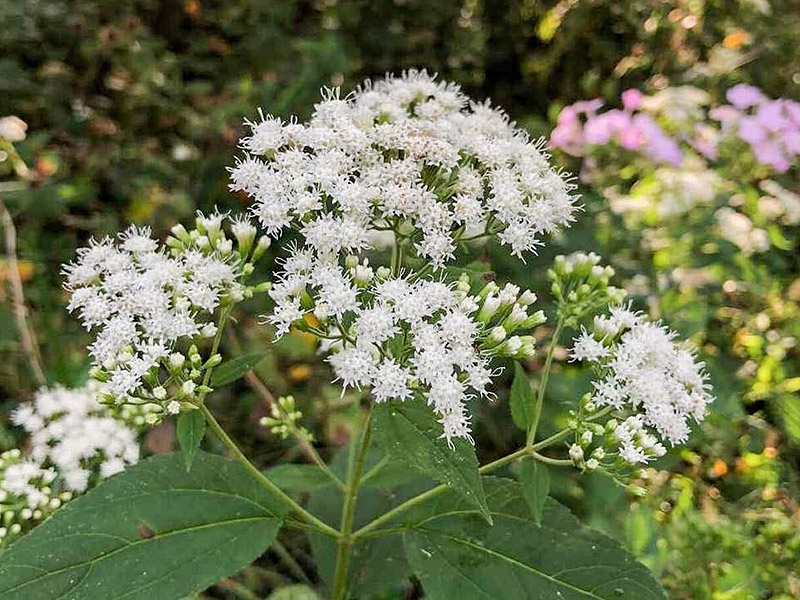
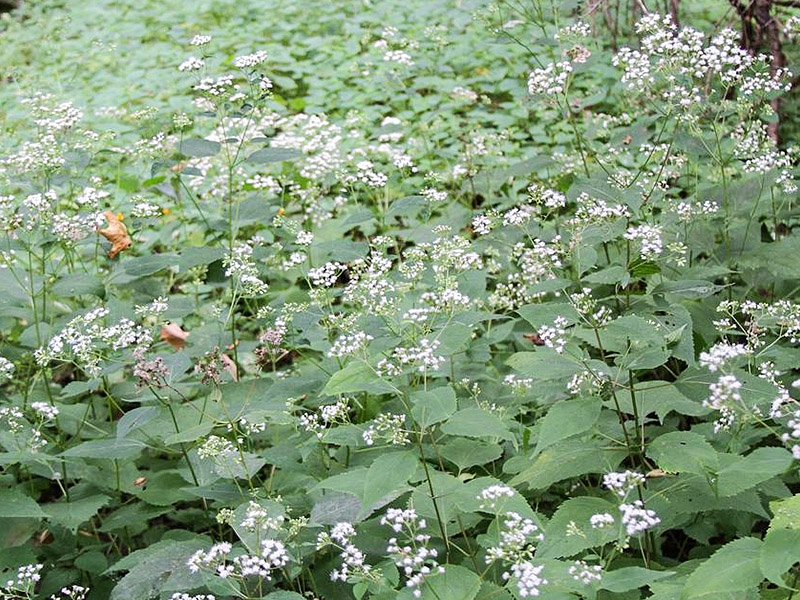
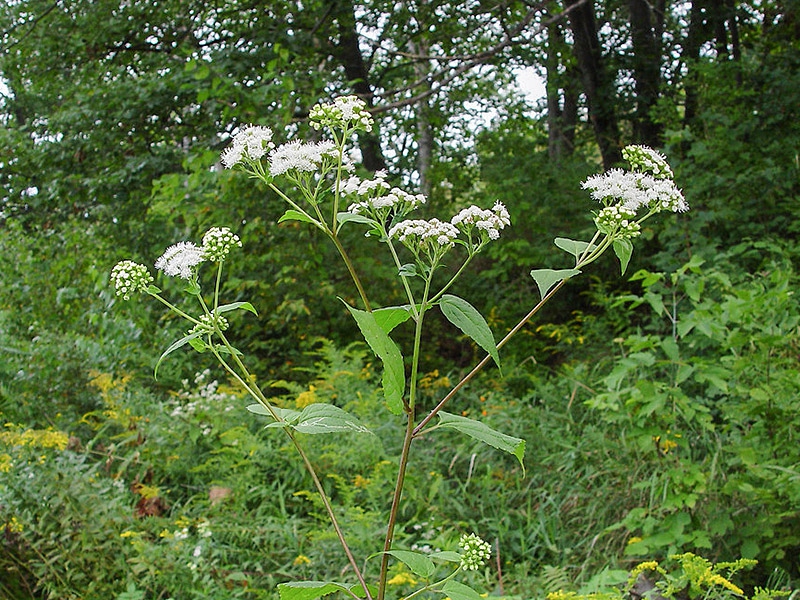
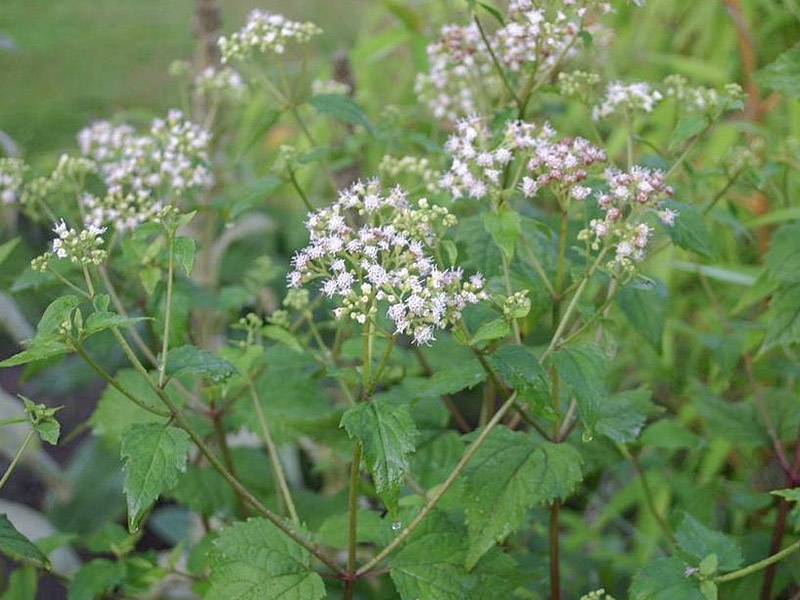
Ageratina altissima is a perennial herb native to North America that grows primarily in forests or shady areas. The following describes the plant's growth characteristics, propagation methods, cultivation methods, garden uses, major pests and diseases, and control methods. Growth Characteristics - Ecology: Ageratina altissima grows to a height of approximately 0.5 to 1.5 meters. It thrives best in shady areas and can also grow in partial shade. - Leaves: The leaves are oval to heart-shaped with serrated margins. - Flowers: It blooms with small white flowers from summer to autumn. The flowers appear in conical inflorescences and have almost no scent. - Habitat: It prefers well-drained soil and grows better in soil with a high organic matter content. Propagation Methods - Seed Propagation: Ageratina altissima is primarily propagated by seeds. It is common practice to harvest seeds in the autumn and sow them directly in early spring. - Root Division: You can also divide the plant's roots and plant them in spring or late autumn. Cultivation Methods - Soil Preparation: Prepare well-drained soil rich in organic matter. - Planting: Plant directly into the ground or transplant seedlings in late spring or early summer. - Care: Water thoroughly during dry periods, and fertilize about once in the spring. Uses in the Garden - Ornamental: As a shade-loving plant, it is suitable for planting in shady corners of the garden or under trees. - Wildflower Garden: It is suitable for wildflower gardens as it can create a natural atmosphere. Important Pests and Diseases & Control Methods - Diseases: While generally resistant to diseases, root rot can occur under excessive moisture. It is important to improve drainage and keep the soil dry. - Pests: Aphids may appear on the leaves. In this case, you can wash them off with soapy water or use natural extracts for control. - Control Method: It is most effective to maintain proper drainage and ventilation, and to regularly check the plant's condition to respond at the early stages of pest infestation. Euphorbia pekinensis is a relatively easy plant to care for and can grow beautifully in the garden if provided with the right environment.
Plant Type
Plant Family
Asteraceae
Height
90~150cm
Spread
60~120cm
Colors
white
Bloom Period
July~August
Water Needs
commonly
Exposure
semi-shaded area
Freezing Resistance
-30°C
Agave 'Blue Flame'
Agave shawii x attenuata 'Blue Flame'
Immortality
Ageratum houstonianum