English
한국어
English
Español
中文
हिंदी
Home
News
Community
Dictionary
English
한국어
English
Español
中文
हिंदी
View list
Bullohwa 'Blue Horizon'
Ageratum houstonianu
'Blue Horizon'
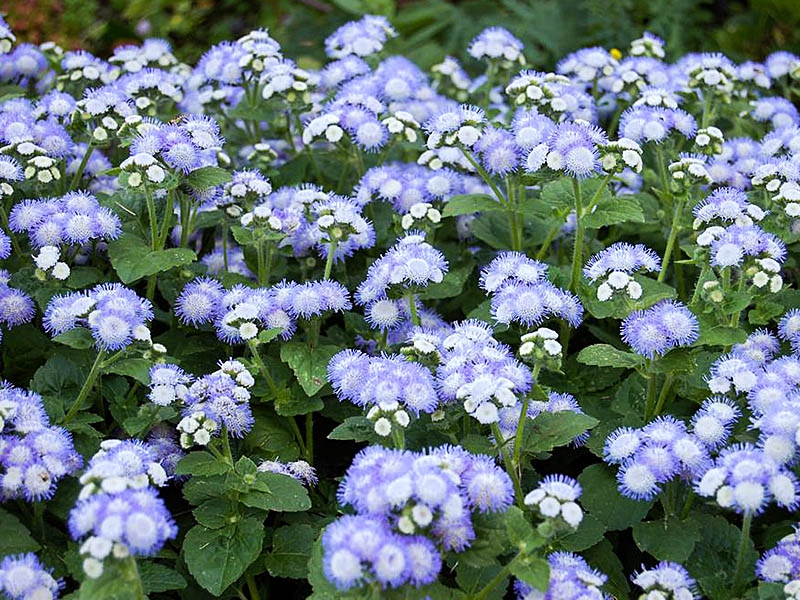
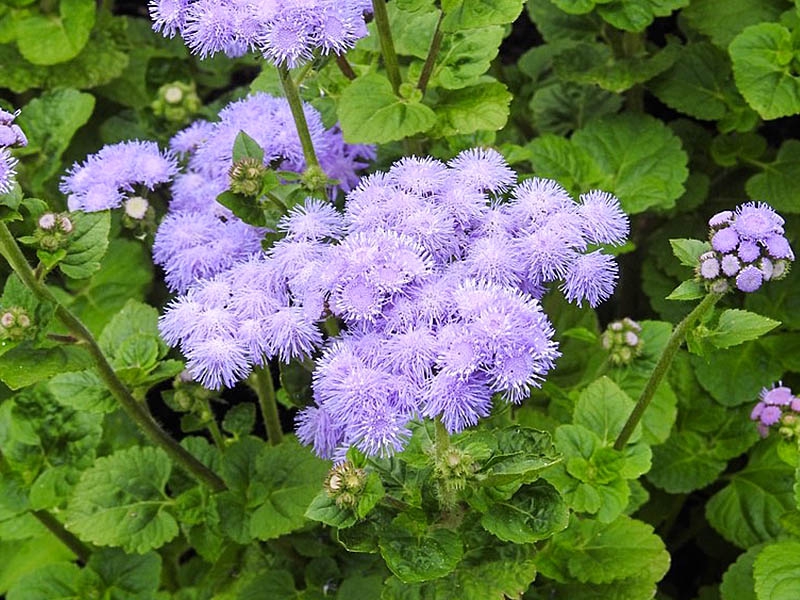
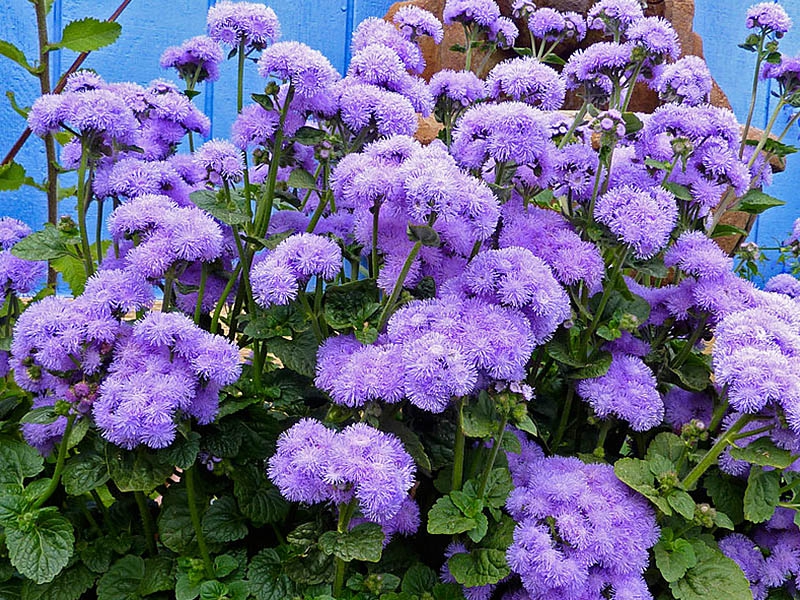
General Information on the 'Blue Horizon' (Ageratum houstonianum 'Blue Horizon') - Growth Characteristics: - 'Blue Horizon' is primarily treated as an annual plant. - It grows to a height of approximately 60–75 cm and is characterized by small blue flowers blooming in clusters. - The flowering period is mainly from spring to autumn, with particularly showy blooms during the summer. - It prefers sunlight and thrives in well-drained soil. - Propagation Methods: - Propagation by seeds is the most common method. - Sow seeds indoors in the spring, and transplant them after 4–6 weeks when sprouts emerge. - Natural self-propagation is also possible if properly cared for. - Cultivation Methods: - Select a sunny location to plant it in. - Use well-draining soil to ensure good water drainage. - Do not water too frequently, but water thoroughly when the soil becomes dry. - During the summer, fertilize regularly to replenish nutrients. - Use in the Garden: - Planting along borders creates a beautiful boundary effect. - It blends harmoniously with other flowers to create a spectacular garden look. - The dense flower clusters are advantageous for attracting bees and butterflies. - Major Pests and Diseases and Control Methods: - Common diseases include fungal diseases. To prevent this, it is important to plant in a well-ventilated area. - Pests include aphids and moths; using regular insecticides is effective. - An eco-friendly control method involves washing pests away with soapy water. The information above will help you grow the 'Blue Horizon' in a healthy and beautiful way. Regular maintenance and attention are required to maximize its use in the garden.
Plant Type
Plant Family
Asteraceae
Height
30~90cm
Spread
17~20cm
Colors
purple
Bloom Period
July~August
Water Needs
commonly
Exposure
Sunny
Freezing Resistance
-2°C
Boneless man's man
Ageratum conyzoides
Aglaonema modestum
Aglaonema modestum