English
한국어
English
Español
中文
हिंदी
Home
News
Community
Dictionary
English
한국어
English
Español
中文
हिंदी
View list
hairy wheat
Elymus gmelinii
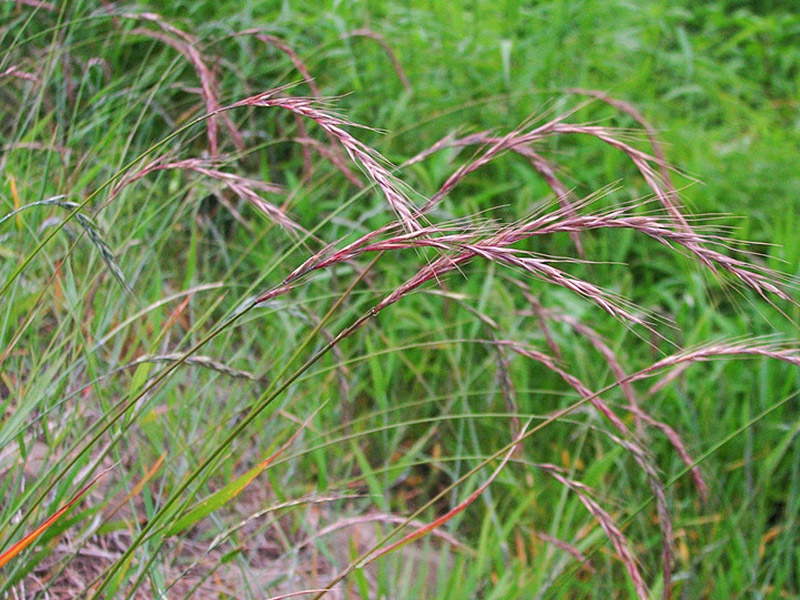
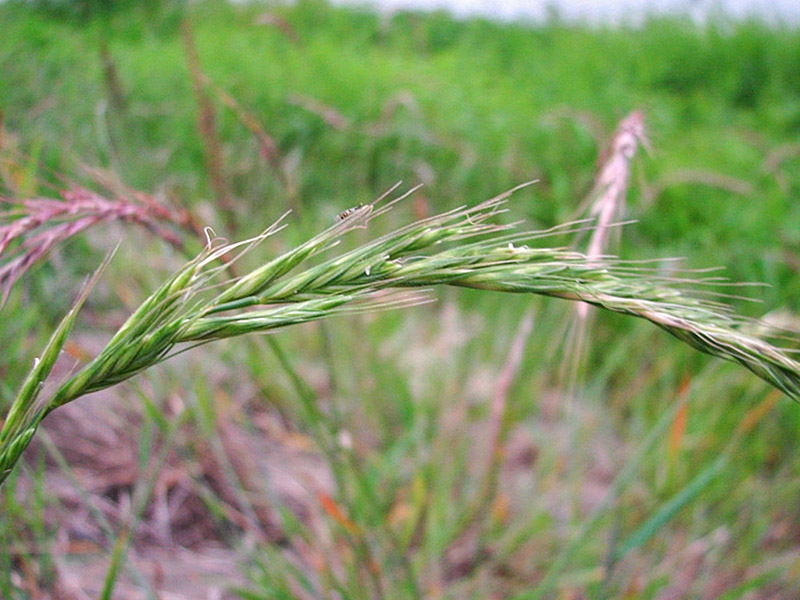
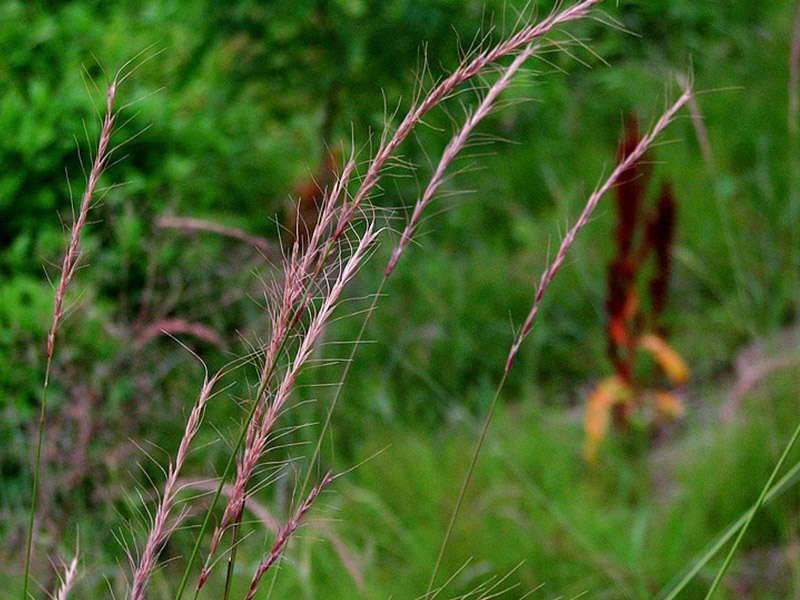
Hairy Elymus gmelinii is a perennial herbaceous plant that spreads via rhizomes. Growth Characteristics - Roots and Stems: It produces new shoots through rhizomes, and the above-ground parts are primarily upright. - Leaves: The leaves are long and linear; they are initially hairless but may develop hairs as they mature. - Flowers: Small flower spikes form in the summer, and pollination occurs by wind. Propagation Methods - Seeds: It can be propagated by harvesting seeds from flower spikes and sowing them in autumn or early spring. - Rhizomes: Propagation by cutting rhizomes is common, which allows for easy and permanent planting. Cultivation Methods - Soil: It prefers fertile, well-drained soil but grows well in various soil conditions. - Sunlight: It grows best in sunny locations but can also grow in partial shade. - Watering: Supplemental watering is necessary during dry periods, but overwatering should be avoided. Garden Uses- It can be used as a substitute for lawn grass and is suitable for natural gardens or wildflower gardens. It is relatively easy to maintain due to its strong drought and cold tolerance. Important Pests and Control Methods- Hairy sedge is relatively resistant to pests and diseases, but leaf rust or fungal diseases may rarely occur. - Control Methods: If pests or diseases occur, control them using appropriate pesticides and immediately remove any diseased parts. For preventive care, it is recommended to plant in a well-ventilated area and avoid overcrowding. Hairy sedge is an easy-to-manage plant that adapts well to various environments and is suitable for use in diverse garden styles. With proper cultivation and care, it can maintain healthy growth.
Plant Type
Plant Family
Poaceae
Height
60~100cm
Spread
Colors
Green, white
Bloom Period
June~July
Water Needs
commonly
Exposure
Sunny
Freezing Resistance
-40°C
Guju Gaemil
Elymus repens
slender buckwheat
Elymus ciliaris var. hackelianus