English
한국어
English
Español
中文
हिंदी
Home
News
Community
Dictionary
English
한국어
English
Español
中文
हिंदी
View list
wild chrysanthemum ears
Agrostis clavata
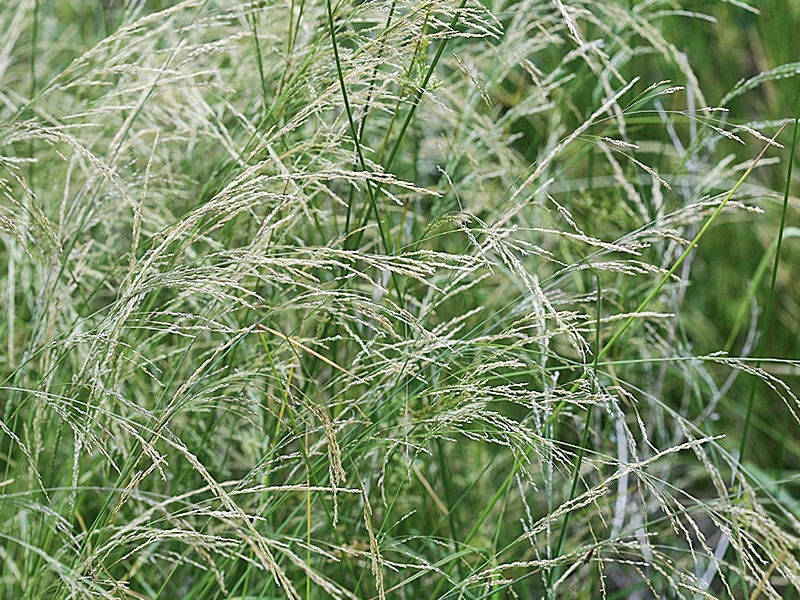
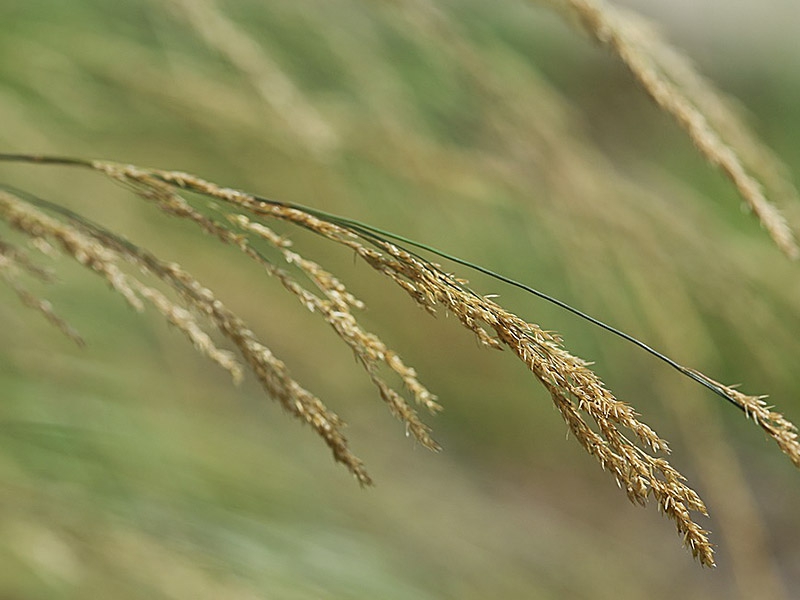
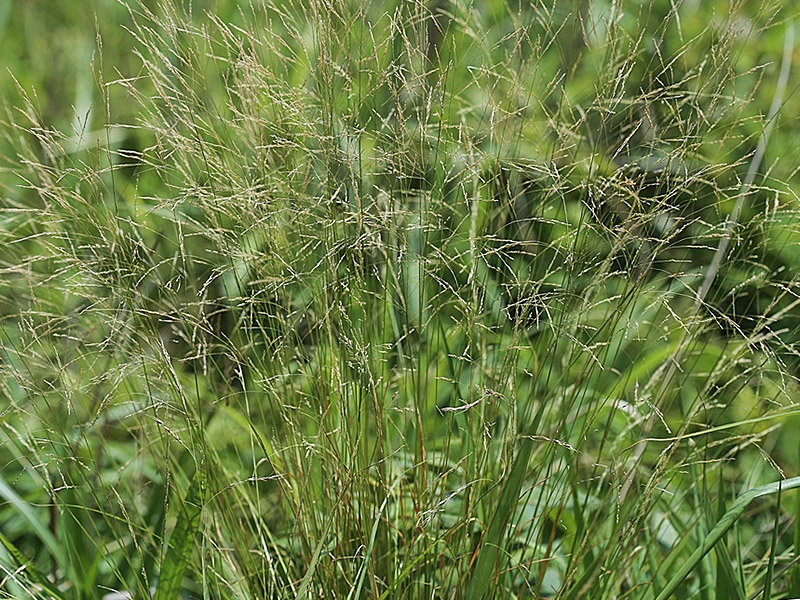
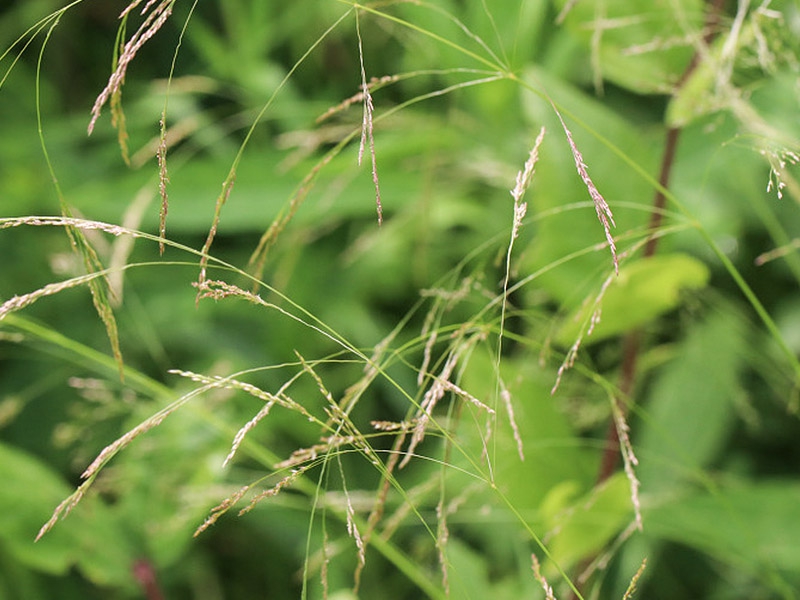
Agrostis clavata is a perennial herb that grows wild in grasslands and forest edges in mountainous areas. The following is information regarding the growth characteristics, propagation methods, cultivation methods, garden uses, and major pests and diseases, as well as control methods. Growth Characteristics - Growth Habits: Agrostis clavata spreads via rhizomes and tends to grow in clumps. - Environmental Conditions: It thrives in well-drained soil and prefers sunny locations. - Cold Hardiness: It is resistant to cold and can grow in various climates. Propagation Methods - Seeds: Seeds can be sown directly or grown from seedlings before planting. It is best to sow seeds in the spring. - Rhizome Division: It can be propagated by dividing rhizomes, which can be done in the spring or autumn. Cultivation Methods - Soil Management: Since it grows well in fertile, well-drained soil, it is recommended to provide a sufficient supply of organic matter. - Watering: Water sufficiently, but be careful not to overwater. Generally, watering once a week is appropriate. - Fertilization: It is recommended to apply general ornamental fertilizer in the spring and autumn. Uses in the Garden - Landscaping: Mountain bittern is excellent for use as a lawn substitute or for landscaping. It is particularly well-suited for gardens that aim for a natural feel. - Soil Stabilization: Planting it on slopes or in areas requiring erosion control helps stabilize the soil. Important Pests and Control Methods - Diseases: It is relatively resistant to diseases, but root rot can occur due to excessive moisture. Pay attention to drainage management to prevent this. - Pests: Common lawn pests such as leaf rollers and aphids may occur. Control them using appropriate pesticides if necessary. Mountain bittern is a relatively easy plant to care for and can be usefully employed for garden landscaping and soil protection. However, local climate and environmental conditions must always be considered when cultivating it.
Plant Type
Plant Family
Poaceae
Height
30~70cm
Spread
Colors
green
Bloom Period
April~May
Water Needs
commonly
Exposure
Sunny
Freezing Resistance
-20°C
large husks
Agrostis dimorpholemma
wild husks
Agrostis capillaris