English
한국어
English
Español
中文
हिंदी
Home
News
Community
Dictionary
English
한국어
English
Español
中文
हिंदी
View list
black chaff ear
Agrostis canina
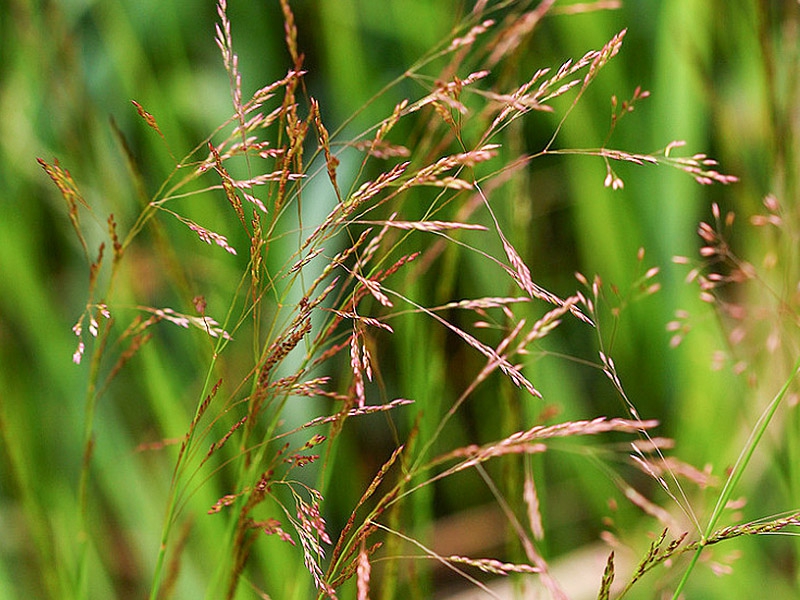
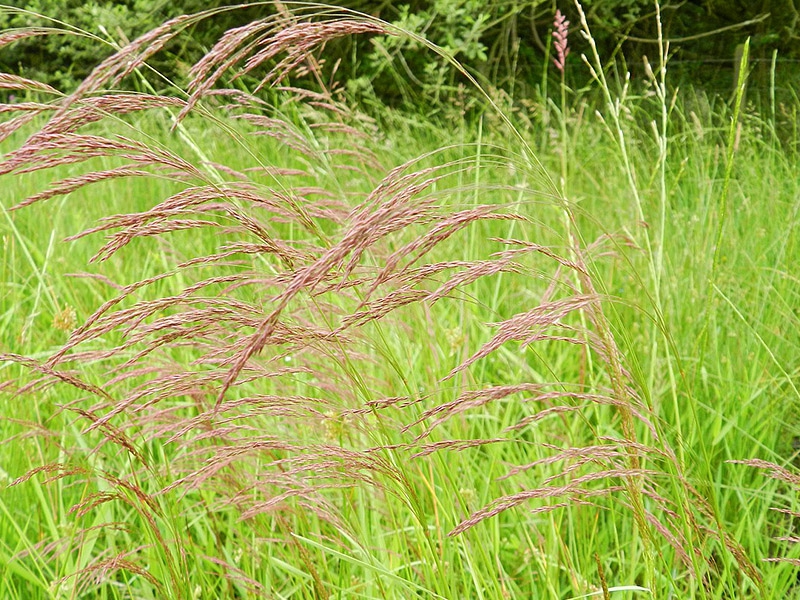
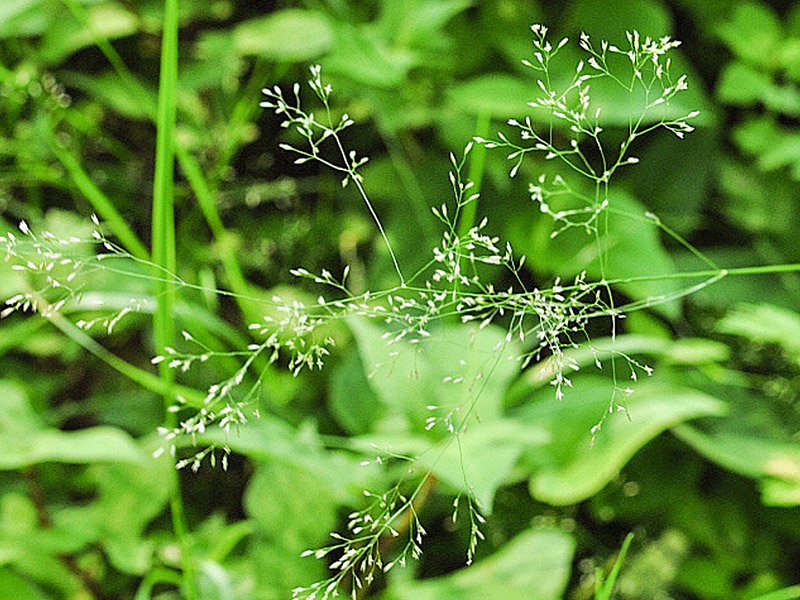
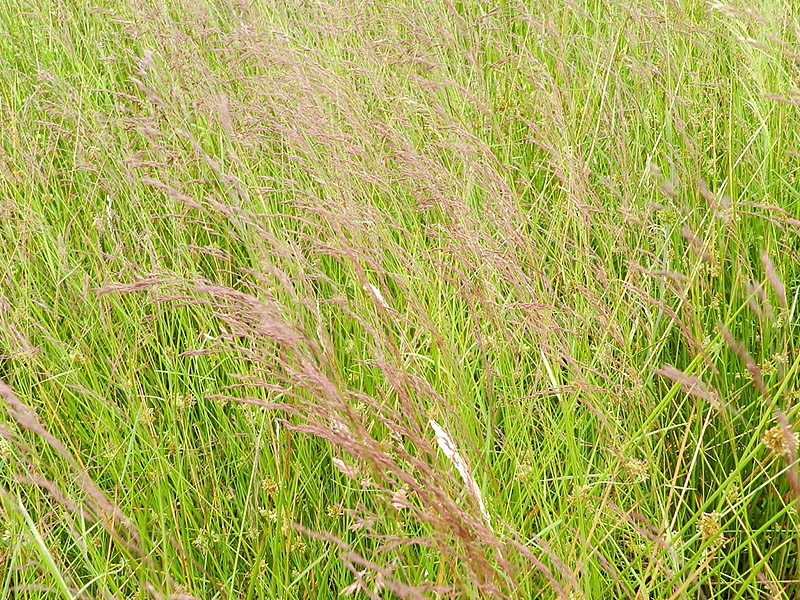
Black barnyard grass (Agrostis canina) is a perennial herb that grows primarily in moist environments. Growth CharacteristicsAgrostis canina grows to a height of approximately 30 to 60 cm. Its leaves are slender, thin, and green. It is resistant to cold and prefers humid environments. It thrives mainly in wetlands in mountainous areas or around valleys. Propagation MethodsAgrostis canina is primarily propagated by seeds. It is best to sow seeds directly in spring or autumn. Alternatively, it can be propagated by dividing rhizomes. In this case, it is recommended to divide the rhizomes once the roots have fully developed. Cultivation Methods - Soil: Agrostis canina grows well in moist soil. Well-drained soil is ideal. - Watering: Water frequently to prevent the soil from drying out. It is necessary to water more often, especially during the summer. - Sunlight: While it grows well in partial shade or shade, it thrives better in areas with sufficient sunlight. 4. Fertilizer: Although special fertilizers are not strictly necessary, applying a small amount of organic fertilizer in the spring will promote healthier growth. Uses in the GardenBlack barnyard grass is primarily used as a background or boundary plant in gardens. Additionally, planting it around a moist garden pond can create a natural atmosphere. Important Pests and Control Methods Black barnyard grass is generally resistant to pests and diseases, but the following issues may occur: - Fungal Diseases: White mold-like growths may appear on the leaves. In this case, create an environment with good air circulation and spray fungicides if necessary. - Aphids: If aphids appear, wash them off with water or control them using eco-friendly insecticides. It is important to check for pests and diseases through regular observation and to respond immediately if necessary.
Plant Type
Plant Family
Poaceae
Height
15~80cm
Spread
Colors
green, purple
Bloom Period
May~June
Water Needs
commonly
Exposure
Sunny
Freezing Resistance
-20°C
wild husks
Agrostis capillaris
white husks
Agrostis gigantea