English
한국어
English
Español
中文
हिंदी
Home
News
Community
Dictionary
English
한국어
English
Español
中文
हिंदी
View list
Gaya maple
Ainsliaea acerifolia
var.
subapoda
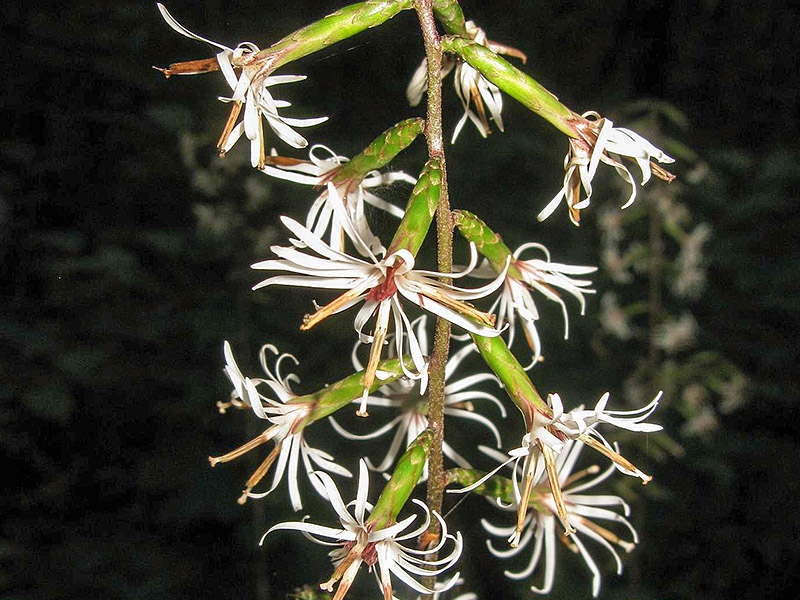
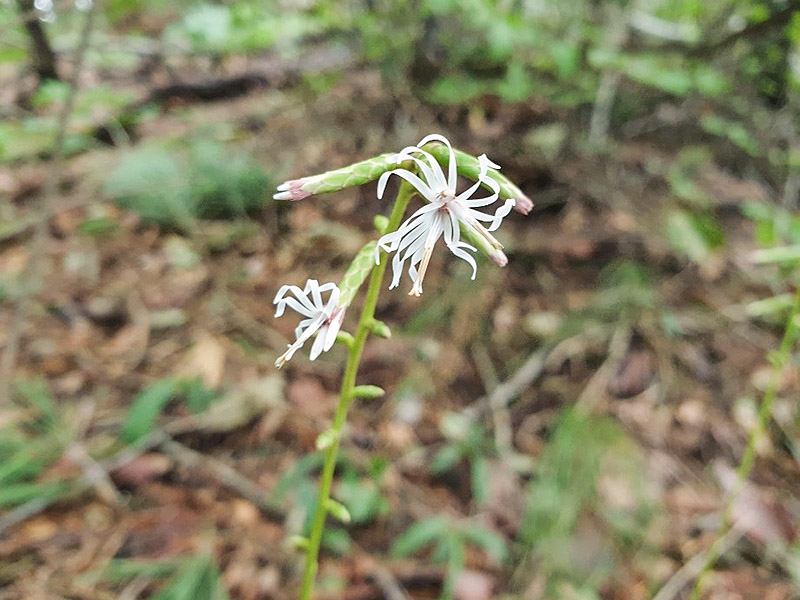
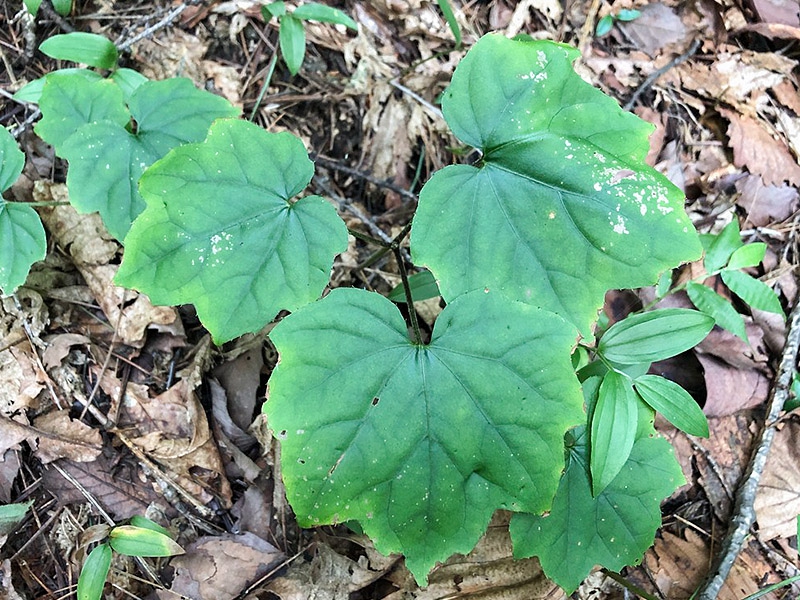
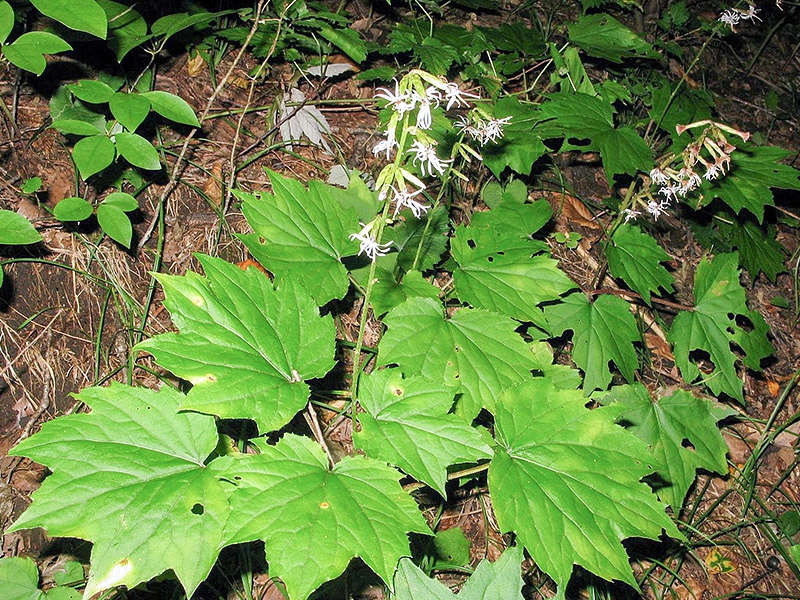
Growth Characteristics of Ainsliaea acerifolia var. subapoda Ainsliaea acerifolia is a perennial herbaceous plant belonging to the Asteraceae family and is native primarily to the Korean Peninsula. This plant grows in mountainous areas and reaches a height of approximately 30 to 100 cm. Its leaves resemble those of a maple tree, and they provide a beautiful landscape as they turn autumn colors. Propagation Methods Ainsliaea acerifolia can be propagated primarily through seed propagation and division. For seed propagation, mature seeds are harvested and sown in early spring. Division propagation involves dividing and planting thick root sections in spring or autumn. Cultivation Methods Ainsliaea acerifolia thrives in partial shade and grows best in well-drained soil. Use well-draining soil, and provide adequate moisture during the initial establishment phase. For fertilization, it is recommended to apply a small amount of slow-release fertilizer when new shoots emerge. Use in Gardens Gaya maple can be placed in shaded gardens or flowerbeds to add color during the autumn foliage season. Planting it alongside maple trees creates a natural and harmonious garden landscape. Important Pests and Control Methods Gaya maple is relatively resistant to pests and diseases, but aphids or snails can occasionally cause problems. Aphids can be prevented by periodic insecticide spraying, while snails can be physically removed or treated with snail insecticides. It is important to use appropriate antibiotics in the event of disease and to maintain a well-ventilated environment.
Plant Type
Plant Family
Asteraceae
Height
40~60cm
Spread
Colors
white
Bloom Period
August to October
Water Needs
commonly
Exposure
semi-shaded area
Freezing Resistance
-10°C
Maple leaf aster
Ainsliaea acerifolia
silver-tailed bird
Aira caryophyllea