English
한국어
English
Español
中文
हिंदी
Home
News
Community
Dictionary
English
한국어
English
Español
中文
हिंदी
View list
Akebia quinata
Akebia quinata
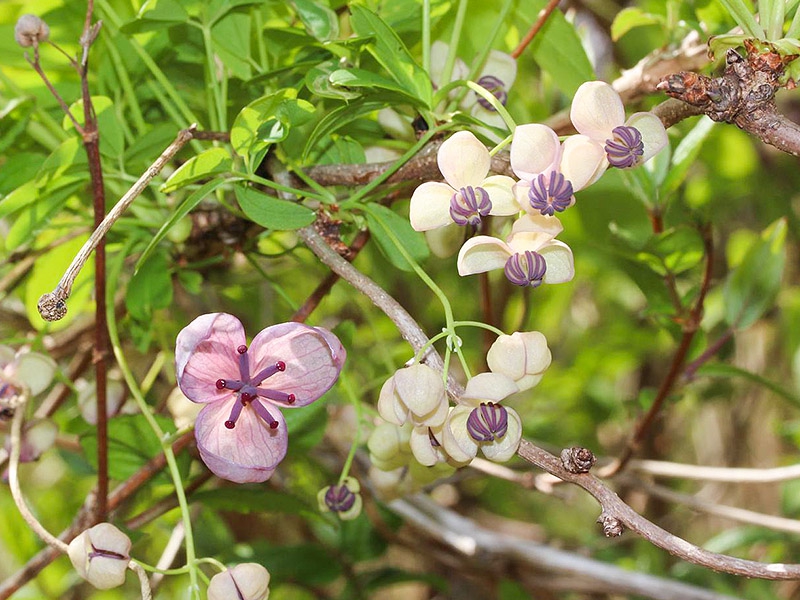
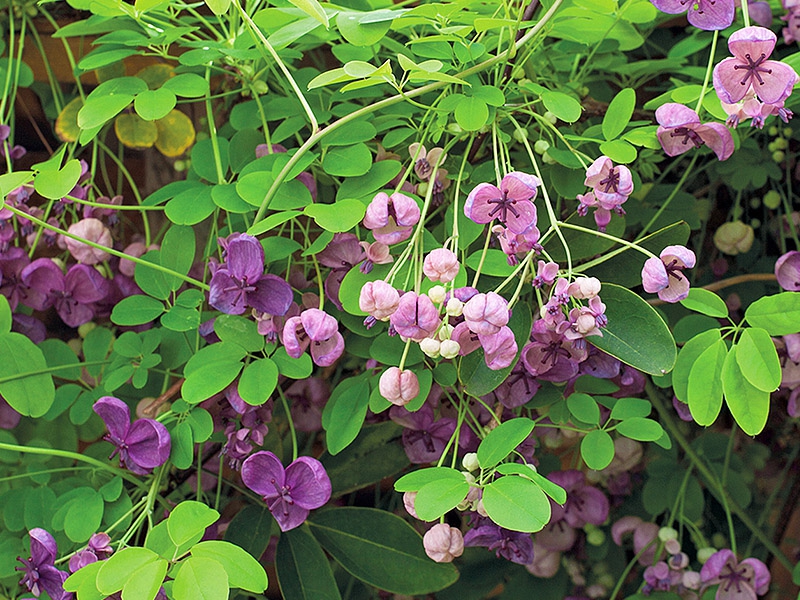
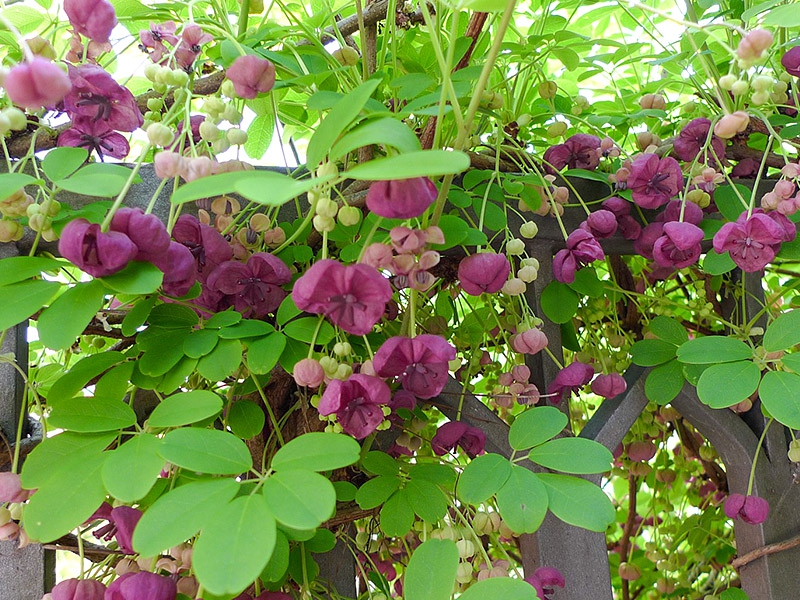
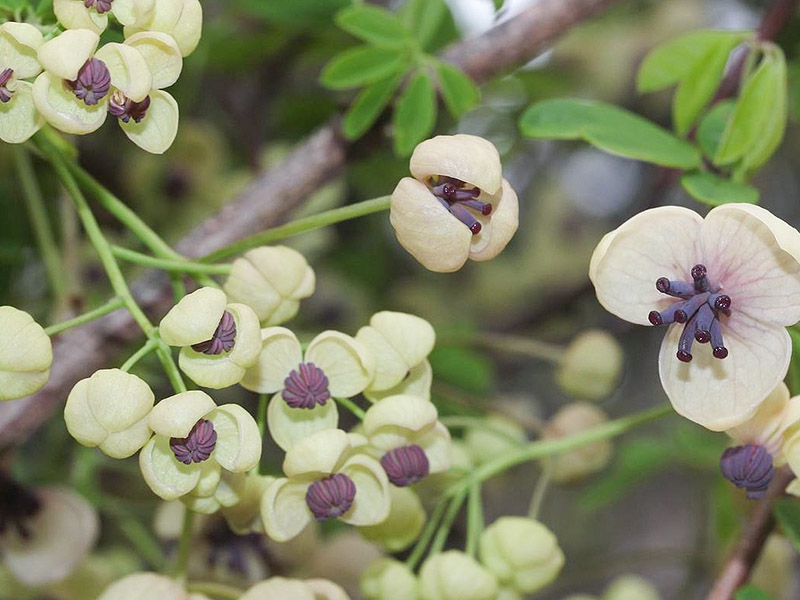
Akebia quinata is a woody vine characterized by five small leaves arranged in a palm-like shape. It primarily grows in mountainous areas and thrives in high humidity and moderate sunlight. Growth Characteristics - Environmental Requirements: It grows well in a wide range of environments, from partial shade to full sun, and requires no major issues as long as the soil has good drainage. - Growth Rate: It grows rapidly and makes good use of vertical space thanks to its characteristic climbing vines that ascend other structures. - Flowering and Fruiting: Purple flowers typically bloom between April and May, and long, cylindrical fruits develop in the autumn. Propagation Methods - Seed Propagation: Propagation by seeds is possible, but caution is required as the germination rate is not high. - Cutting Propagation: Cutting stems between late spring and early summer is a common method and is easy to root. - Grafting: Growing a part of the vine into the soil to create a new plant is also an effective method. Cultivation Method - Soil Preparation: It is best to plant in a sunny, well-drained area. While it prefers soil rich in organic matter, it tolerates poor soil conditions well. - Water Management: Sufficient watering is required during the initial growing season, but once the roots stabilize, water management becomes relatively easier. - Fertilizer Management: Applying general compound fertilizer in the spring is sufficient. Garden Uses - Landscape Enhancement: Utilizing its vining properties, it is useful for climbing over structures such as fences, arches, or pergolas. - Edible and Medicinal Uses: The fruit is edible, and it has traditionally been used for medicinal purposes. Major Pests and Control Methods - Diseases: There are no particularly serious diseases, but caution is required regarding gray mold. Plant in a well-ventilated location and use fungicides if necessary. - Pests: Generally, there are no major pest issues, but one should be mindful of aphids and other leaf pests. Control is possible using organic pesticides or soapy water. Pest Control Methods - Environmental Management: Continuously check soil drainage to maintain the health of the vines, and immediately remove any dead leaves or diseased parts. - Continuous Observation: Early detection and immediate response are crucial through periodic checks of the plant's condition. Akebia quinata is relatively easy to manage, and if provided with the right environment, it is a plant that offers both decorative and practical benefits.
Plant Type
Plant Family
Akebia family
Height
4~6m
Spread
Colors
purple, red
Bloom Period
4~5
Water Needs
commonly
Exposure
semi-shaded area
Freezing Resistance
-20°C
Ajuga 'black scallops'
Ajuga reptans 'Black Scallop'
Bat tree
Alangium platanifolium var. trilobum