English
한국어
English
Español
中文
हिंदी
Home
News
Community
Dictionary
English
한국어
English
Español
中文
हिंदी
View list
Charlotte Ascalonicum
Allium ascalonicum
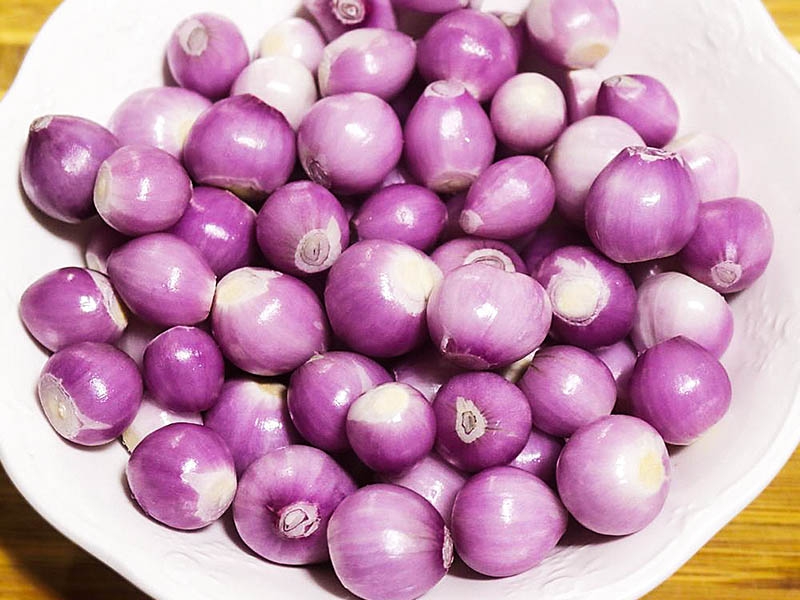
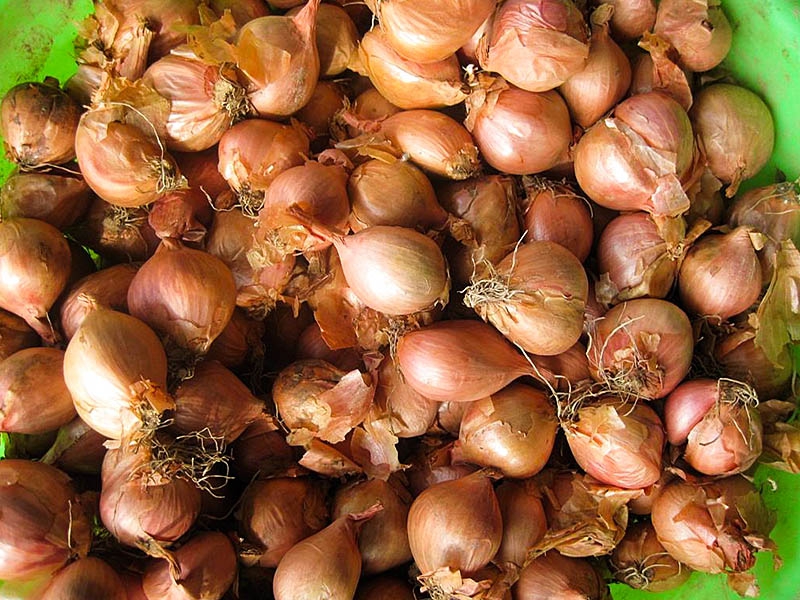
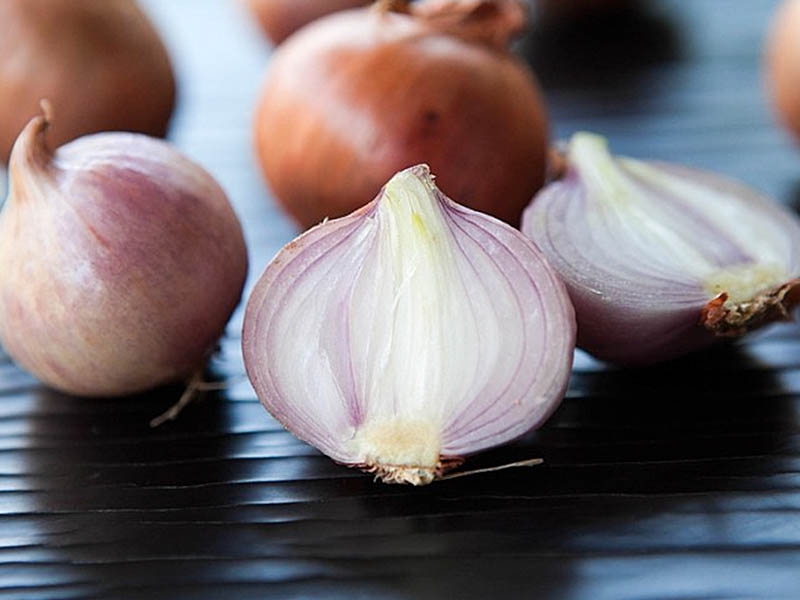
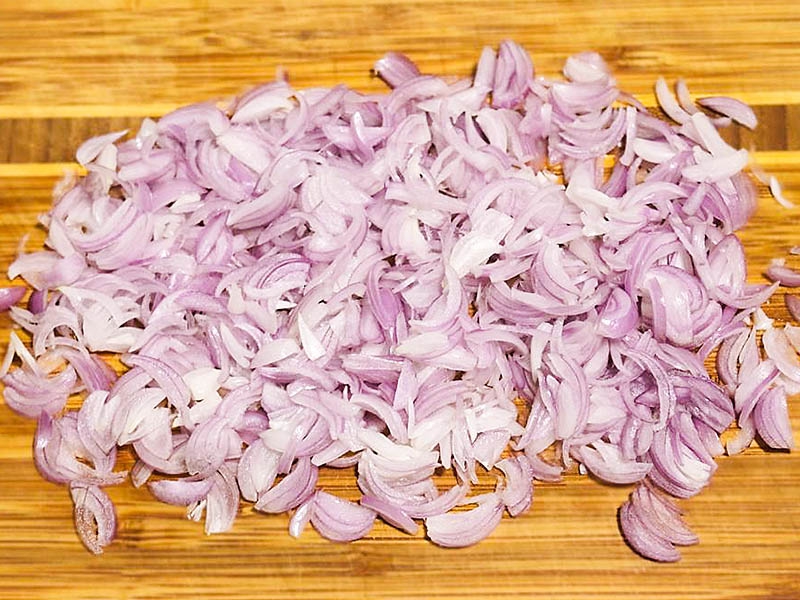
Shallot Ascalonicum (Allium ascalonicum), commonly known as the shallot, is a bulbous plant similar to an onion, primarily used in cooking. This plant possesses unique characteristics and uses in various aspects. - Growth Characteristics: - Shallots are perennial plants that thrive mainly in temperate climates. - The leaves are long, slender, and green, and the bulb consists of several small segments. - Small purple flowers may bloom during the summer. - Propagation Methods: - Propagation is primarily done by separating the bulbs. - New plants can be grown using the segments that grow from the bulbs. - Cultivation Methods: - A sunny location with well-drained soil is ideal. - It is usually planted in the fall, overwintered, and harvested in the spring. - Fertilizer can be used to promote growth if necessary. 4. Uses in the Garden: - Shallots can be used in cooking, and when planted in the garden, they provide a beautiful landscape in themselves. - They blend well with other herbs and vegetables, making them useful for design purposes. - Important Pests and Control Methods: - Common pests include fungal diseases and bulb rot. - Proper drainage and ventilation are important for preventing diseases. - Aphids are a common pest, and natural insecticides can be used if necessary. - It is important to periodically observe the leaves and bulbs and take early action if any abnormalities are observed. Shallots are relatively easy to care for, making them suitable plants for home cultivation. This allows you to harvest fresh shallots yourself and use them in cooking.
Plant Type
Plant Family
Lily family
Height
45cm
Spread
Colors
purple, white
Bloom Period
May to July
Water Needs
commonly
Exposure
Sunny
Freezing Resistance
-5°C
yellow chives
Allium condensatum
chives
Allium anisopodium