English
한국어
English
Español
中文
हिंदी
Home
News
Community
Dictionary
English
한국어
English
Español
中文
हिंदी
View list
Allium moly
Allium moly
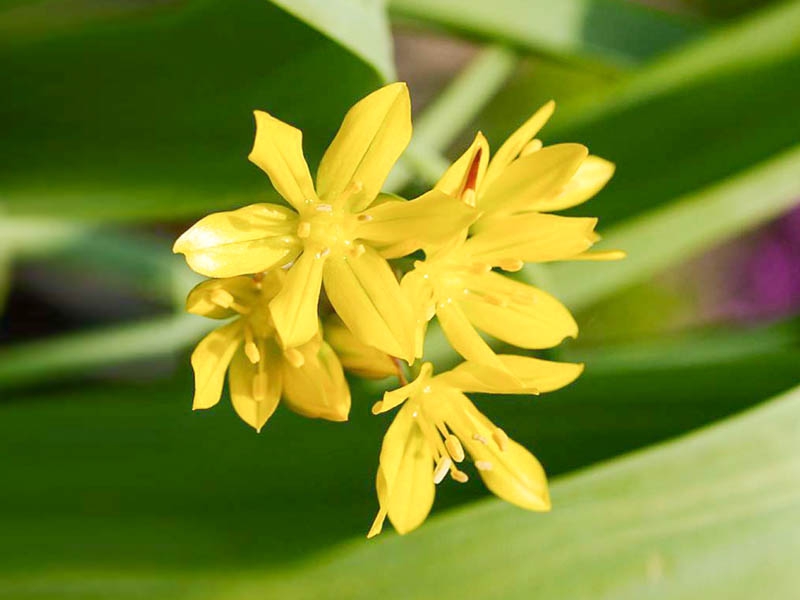
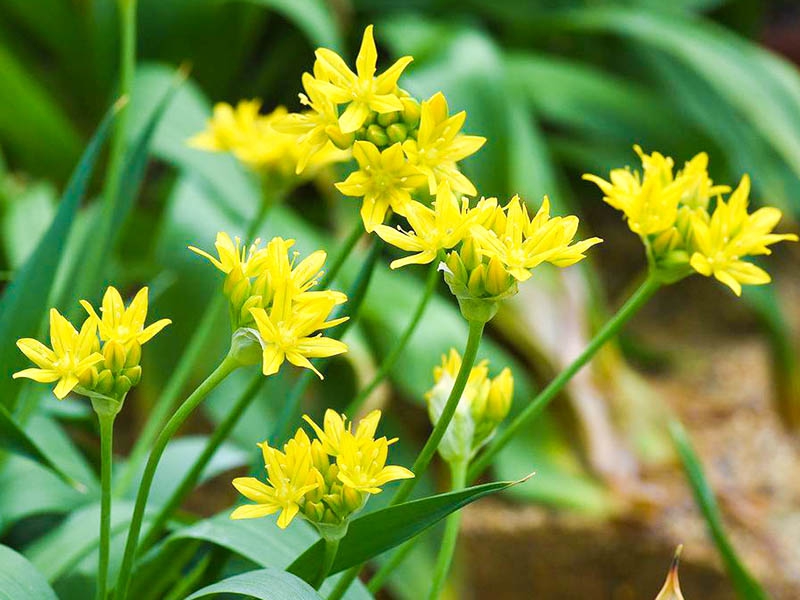
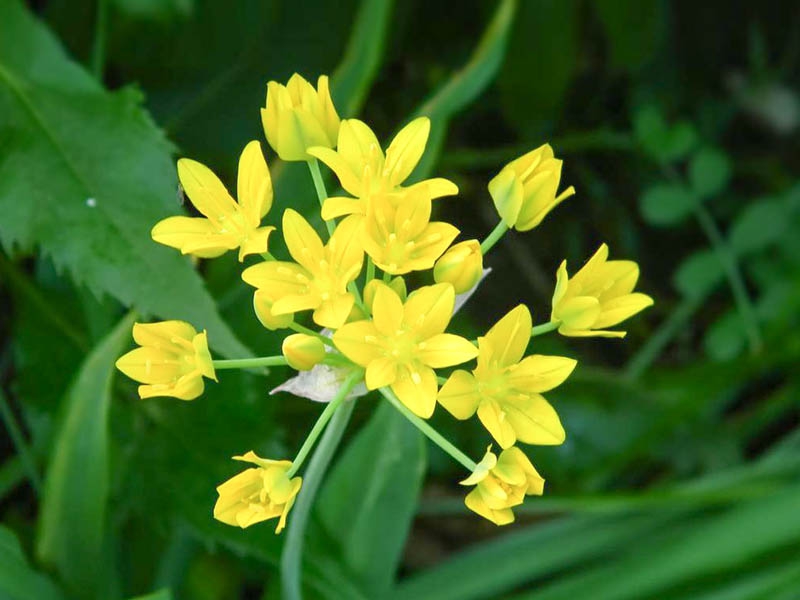
Growth Characteristics of Allium Moly Allium moly is a perennial plant that primarily propagates by bulbs and typically grows to a height of around 30 cm. This plant produces bright yellow flowers, which usually bloom between May and July. The leaves are long, thin, and slightly glossy. Propagation Method Allium moly is mainly propagated by dividing the bulbs. The best time for propagation is generally autumn, after the flowers have faded. Dig up the bulbs, separate them, and plant them in the desired location. Cultivation Method Allium moly thrives in sunny locations and prefers well-draining soil. When planting bulbs in autumn, it is recommended to plant them about 10 cm deep with a spacing of 10 cm. Watering should be reduced during the winter as the plant enters a dormant period. Uses in the Garden Due to its bright and eye-catching flower colors, Allium moly is suitable as an accent plant in gardens or flowerbeds. In particular, planting it in combination with other summer flowers can create a beautiful landscape. Additionally, because it grows well, it is suitable for locations that require minimal maintenance. Important Pests and Diseases & Control Methods Although Allium Molly is relatively resistant to pests and diseases, it can be infected by blight or rust. If disease occurs, it is recommended to remove infected leaves and control the condition using an appropriate fungicide. Furthermore, since root rot can occur due to poor drainage, it is important to check the soil's drainage condition before planting.
Plant Type
Plant Family
Narcissus family
Height
25~30cm
Spread
7~10cm
Colors
yellow
Bloom Period
May~June
Water Needs
commonly
Exposure
Sunny
Freezing Resistance
-15°C
Neapolitan chives
Allium neapolitanum
Allium caratabiense 'Ivory Queen'
Allium karataviense 'Ivory Queen'