English
한국어
English
Español
中文
हिंदी
Home
News
Community
Dictionary
English
한국어
English
Español
中文
हिंदी
View list
Allium caratabiense 'Ivory Queen'
Allium karataviens
'Ivory Queen'
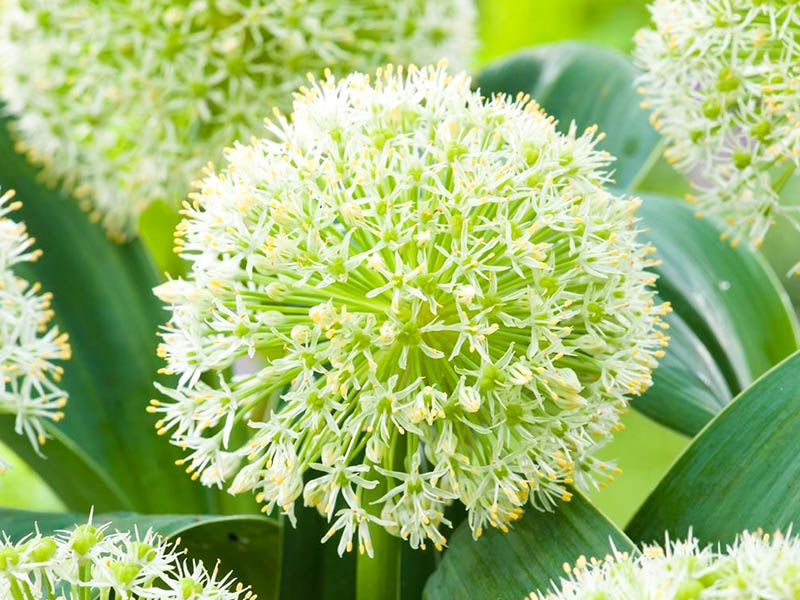
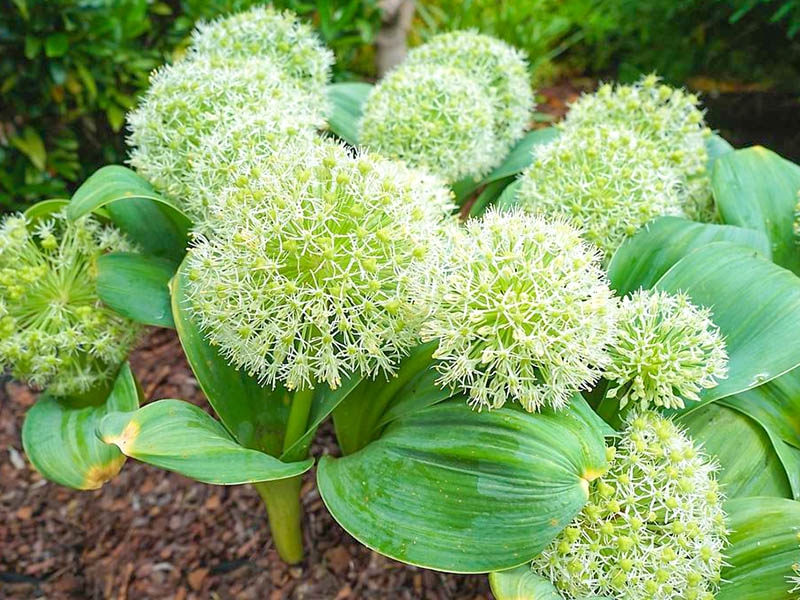
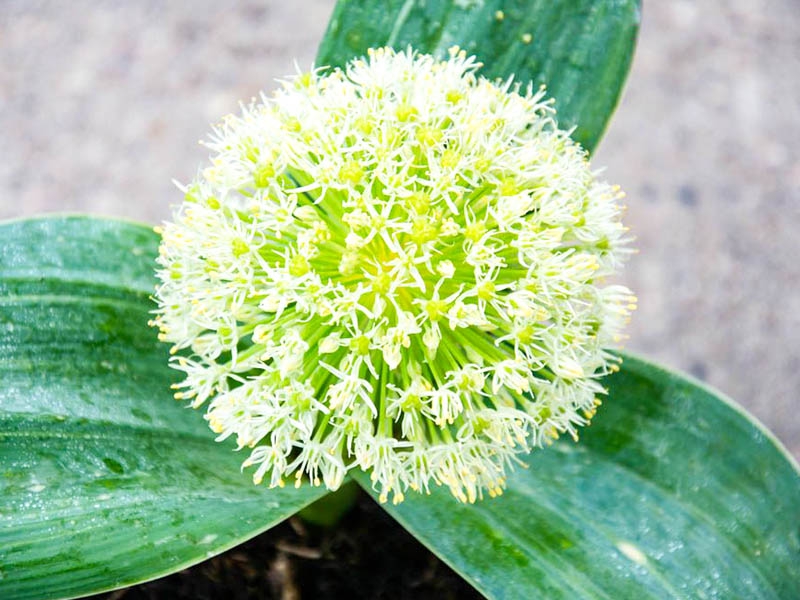
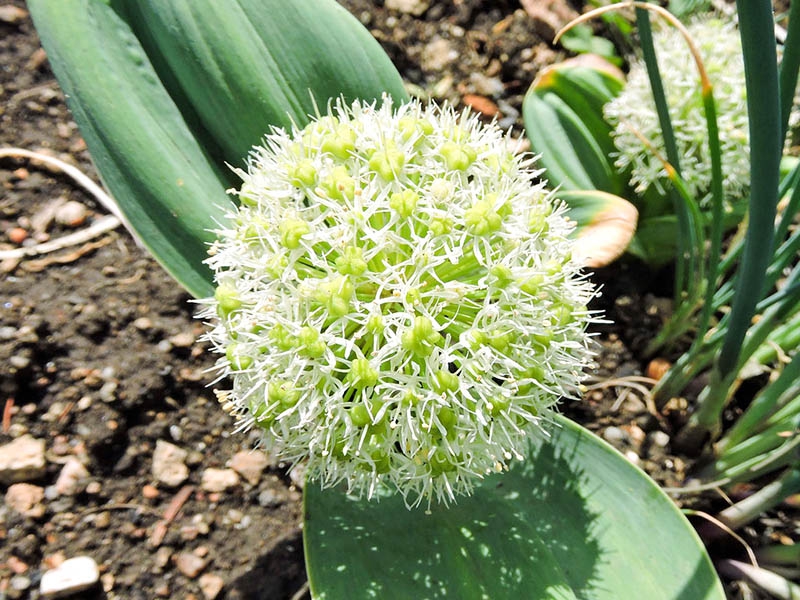
Growth Characteristics Allium 'Ivory Queen' is a bulbous plant native primarily to Central Asia. It grows to a height of approximately 20 cm, making it a relatively low-growing plant. Its broad, thick leaves are grayish, and spherical ivory flowers bloom in the spring. This plant thrives in sunny locations and prefers well-draining soil. Propagation Methods Allium 'Ivory Queen' is primarily propagated by bulb division. Simply separate the bulbs and plant them in the autumn. While propagation by seed is possible, bulb propagation is generally preferred because growing from seeds takes a long time. Cultivation Methods - Location Selection: Choose a sunny spot. - Soil Preparation: Prepare well-draining soil. - Planting: Plant the bulbs in the autumn. Plant at a depth approximately 2 to 3 times the height of the bulb. - Watering: Water carefully to ensure good drainage, while avoiding overwatering. Use in the Garden Thanks to its low stature and unique color, Allium 'Ivory Queen' can be used as a border plant in the garden or planted at the front of flower beds to make them stand out. It pairs particularly well with other spring flowers, adding vibrancy to the spring garden. Important Pests and Control Methods Alliums are generally resistant to pests and diseases, but they can rarely be damaged by leaf blight or nematodes. - Leaf Blight: This mainly occurs when the soil is waterlogged, so ensure good drainage. If the disease occurs, remove diseased leaves and use antimicrobial agents if necessary. - Nematodes: Disinfect the soil or use pesticides if required for control. With this basic care and maintenance, Allium 'Ivory Queen' will grow healthily and add beauty to your garden.
Plant Type
Plant Family
Narcissus family
Height
17~20cm
Spread
20~25cm
Colors
white
Bloom Period
May~June
Water Needs
commonly
Exposure
Sunny
Freezing Resistance
-20°C
Allium moly
Allium moly
Allium Caratabiense
Allium karataviense