English
한국어
English
Español
中文
हिंदी
Home
News
Community
Dictionary
English
한국어
English
Español
中文
हिंदी
View list
Sabangori
Alnus firma
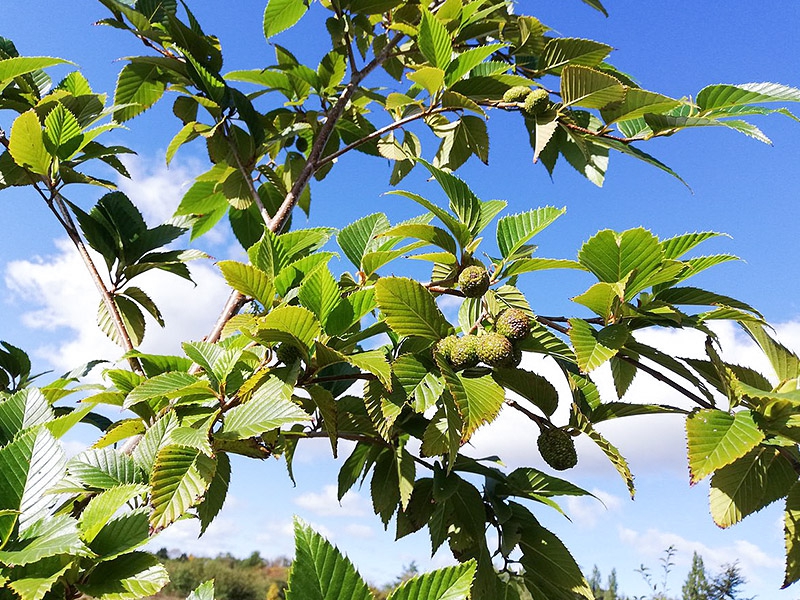
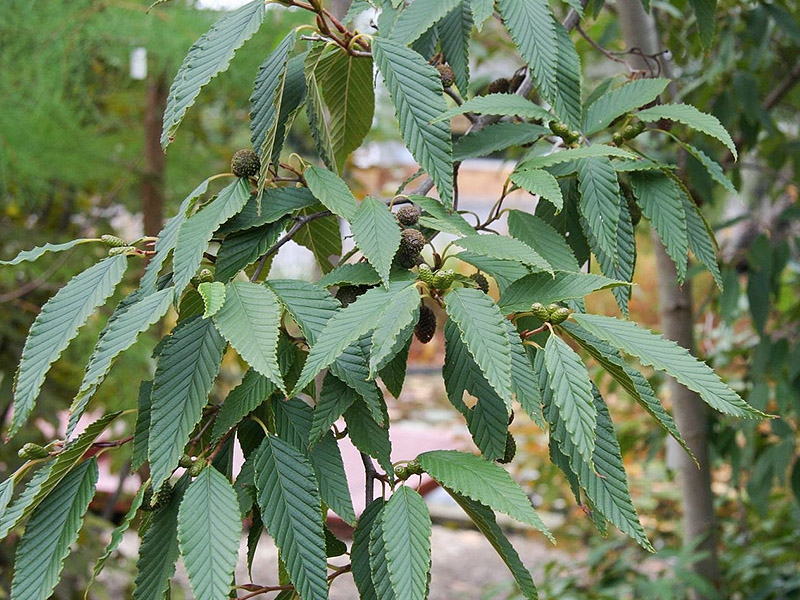
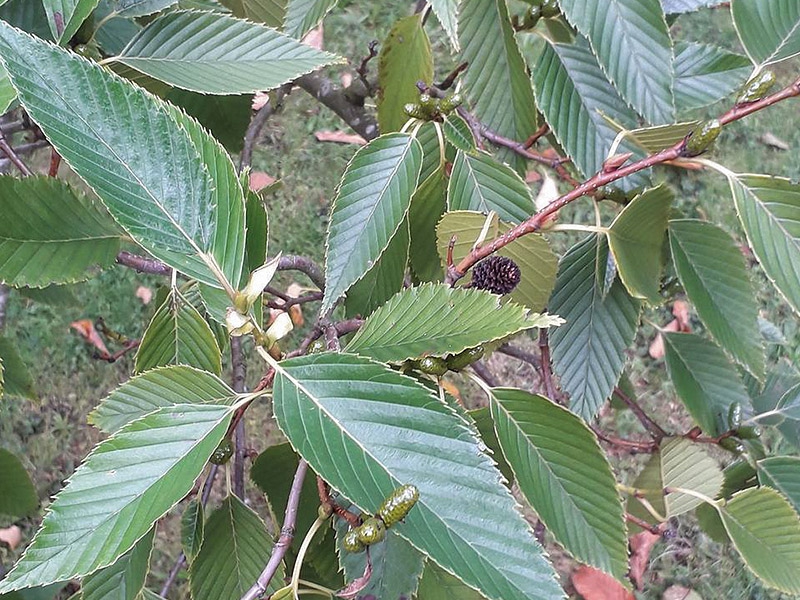
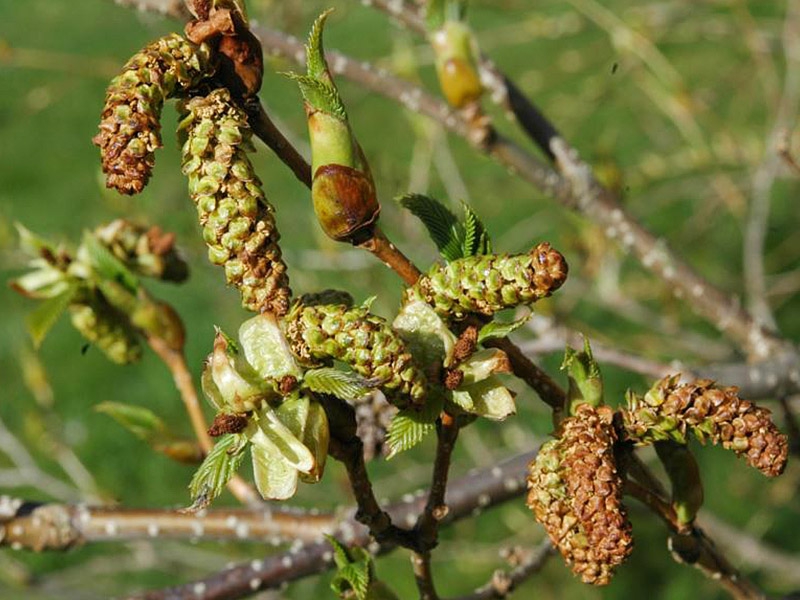
Alnus firma is a deciduous tree native to East Asia, including Korea, and belongs to the legume family. The following describes the growth characteristics, propagation methods, cultivation methods, garden uses, and major pests and control methods of Alnus firma. - Growth Characteristics: - Height and Form: It typically grows up to 15 to 20 meters tall, with branches spreading widely. - Leaves: The leaves are oval-shaped with serrated margins and fine hairs on the undersides. - Roots: It forms root nodules capable of fixing nitrogen from the air. - Environment: It thrives in sunny locations and prefers moist soil. - Propagation Methods: - Seed Propagation: Seeds are collected from mature fruits in the autumn and sown in early spring. Germination rates increase after seeds undergo cold treatment for about 1 to 2 weeks. - Propagation by Cuttings: It can be propagated by taking semi-hardwood cuttings during the summer. Cut off new shoots between June and August and plant them in soil that has developed a stretched surface. - Cultivation Methods: - Soil: The Japanese quince thrives in moist, fertile soil. Soil that drains well yet retains moisture is ideal. - Watering: Regular watering is necessary during dry periods, but care must be taken as poor drainage can lead to root rot. - Fertilizer: Nutrients can be supplemented using slow-release fertilizers during the growing season. - Uses in Gardens: - Landscape Plant: Its spreading tree form and lush foliage make it suitable as a garden tree. - Environmental Restoration: Due to its excellent nitrogen-fixing ability caused by root nodules, it can be utilized in ecological restoration areas or for erosion control. - Important Pests and Diseases and Control Methods: - Diseases: Fungal diseases may occur; to prevent this, ensure good air circulation and remove infected parts. - Pests: Leaf-eating pests may appear. Use pesticides if necessary, but prioritize environmentally friendly methods. - Control Methods: Early detection is crucial when pests or diseases occur; periodically inspect the tree's condition and perform preventive disinfection and treatment. Refer to this information to effectively manage and utilize the Japanese pagoda tree in your garden.
Plant Type
Plant Family
Betula family
Height
7~10m
Spread
Colors
yellow
Bloom Period
March to April
Water Needs
commonly
Exposure
Sunny
Freezing Resistance
-30°C
Water alder
Alnus incana subsp. hirsuta
Small duck
Alnus pendula