English
한국어
English
Español
中文
हिंदी
Home
News
Community
Dictionary
English
한국어
English
Español
中文
हिंदी
View list
hairy alder
Alnus
×
mayrii
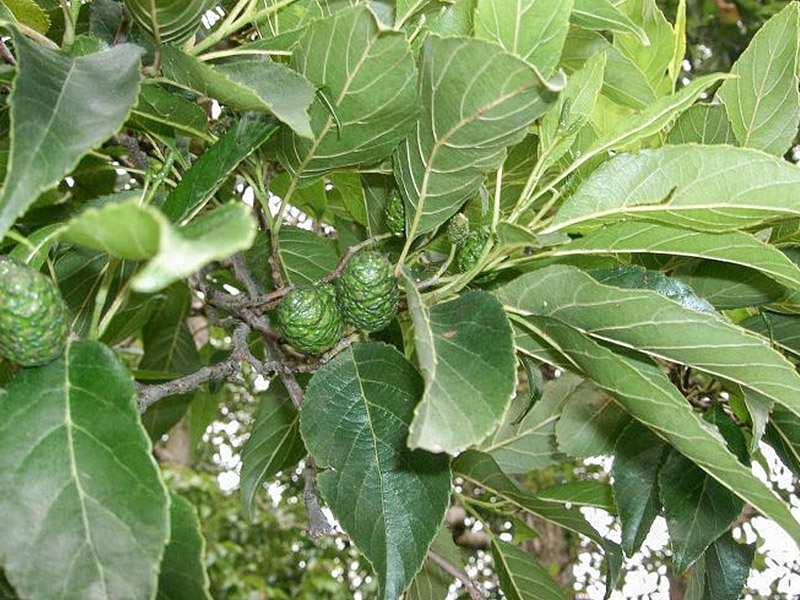
Hairy Alder (Alnus × mayrii) Growth Characteristics It grows rapidly and thrives in wetlands or along riverbanks. It reaches a height of approximately 10 to 15 meters, and its leaves are oval-shaped with small serrations along the edges. In spring, male and female flowers bloom separately, and the fruit forms small, oval nuts. Propagation Methods It is primarily propagated by seeds and cuttings. For seed propagation, mature fruits are collected, dried at room temperature, and sown directly the following spring. For cutting propagation, young branches are cut in spring or autumn and planted as cuttings. Cultivation Methods It is a relatively easy plant to cultivate. It grows well in sunny locations or partial shade, and thrives best in soil that retains moisture. Well-drained soil is suitable, and while special fertilizers are not required, applying organic fertilizer in the spring further promotes growth. Uses in Gardens It plays an important role in soil stabilization, making it useful for riverside landscaping and creating green spaces. Thanks to its rapid growth rate, it is also suitable for creating shade. In gardens, it serves as a tree that provides moderately large shade. Important Pests and Control Methods It is a relatively resistant plant to pests and diseases. However, leaf blight or aphid damage may occasionally occur. In the case of leaf blight, immediately remove infected leaves and prune branches to ensure good ventilation. Aphids can be washed away with water pressure or, if necessary, eco-friendly insecticides can be used. Based on this information, you can properly manage and utilize the hairy alder.
Plant Type
Plant Family
Betula family
Height
20m
Spread
Colors
yellow, green
Bloom Period
March
Water Needs
commonly
Exposure
semi-shaded area
Freezing Resistance
-30°C
Small duck
Alnus pendula
Japanese alder
Alnus matsumurae