English
한국어
English
Español
中文
हिंदी
Home
News
Community
Dictionary
English
한국어
English
Español
中文
हिंदी
View list
alder tree
Alnus japonica
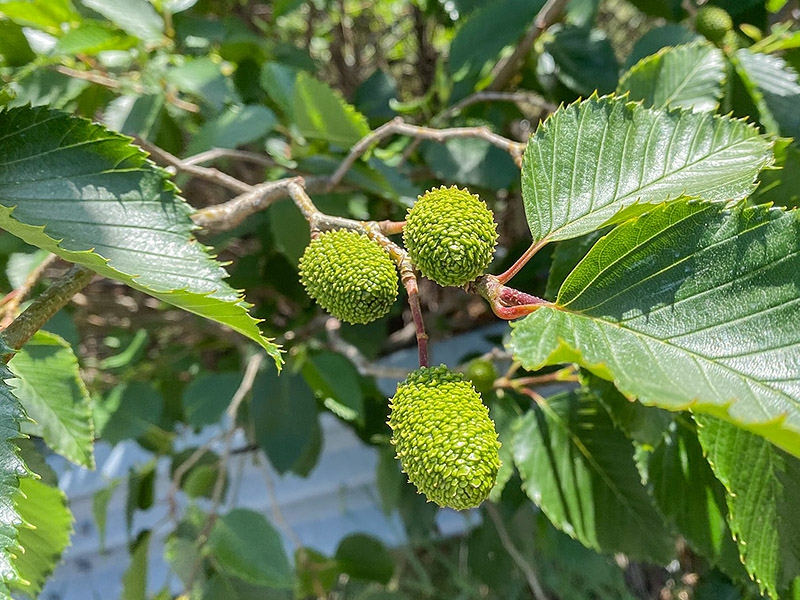
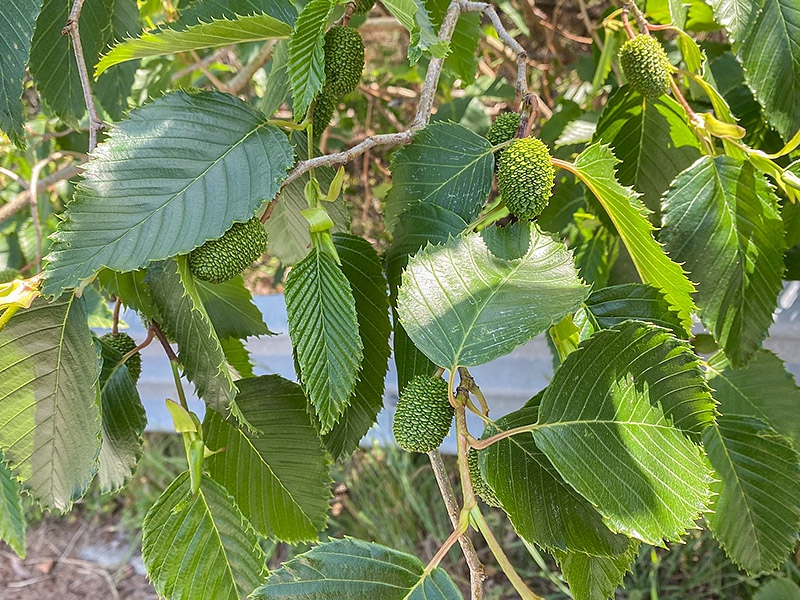
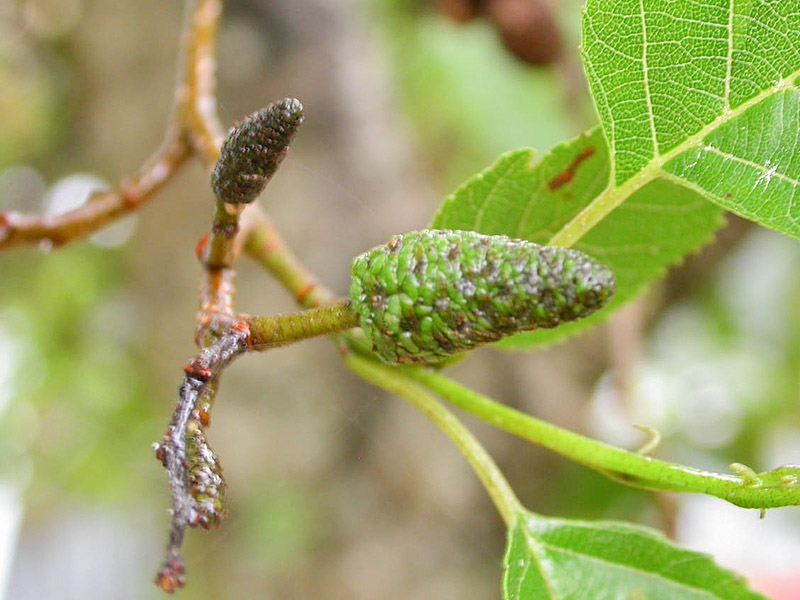
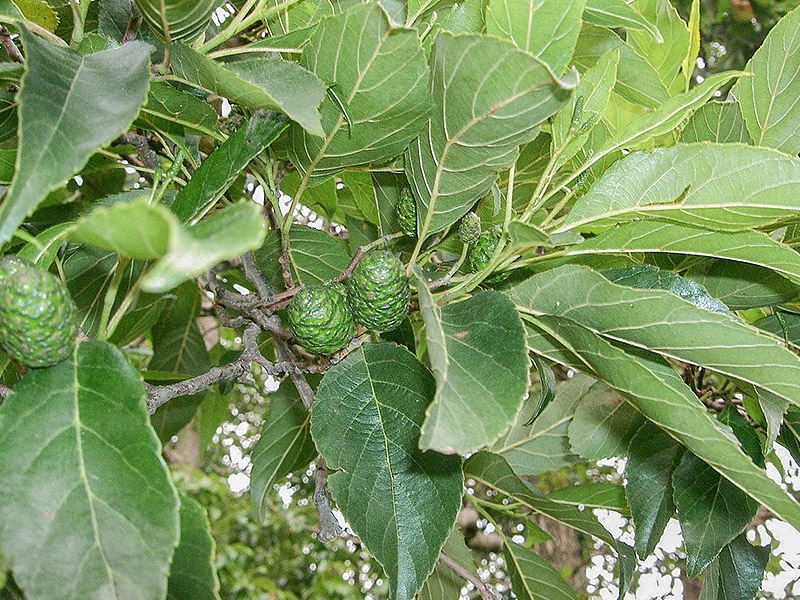
Alnus japonica is a deciduous tree native to Asia that thrives primarily in wetlands or along riverbanks. The following is information regarding the growth characteristics, propagation methods, cultivation techniques, garden uses, major pests, and control methods of Alnus japonica. Growth Characteristics - Environment: Alnus japonica prefers moist environments and grows well in well-drained soil. It tolerates partial shade well, along with moderate sunlight. - Size: Mature trees typically grow up to 20–25 meters tall, and may grow even larger in developed environments. - Leaves and Flowers: The leaves are egg-shaped or oval with smooth margins. Brown or golden male flowers bloom in the spring. Propagation Methods - Seed Propagation: It can be propagated using seeds collected in the autumn. Once the fruit matures and splits open, collect the seeds and plant them immediately, or store them in the refrigerator during the winter and sow them in the spring. - Propagation by Cuttings: In the summer, branches can be cut and propagated via water cuttings or soil cuttings. Cultivation Methods - Planting: Early spring or late autumn is the optimal time. Before planting, the soil should be properly prepared to ensure good drainage. - Watering: Water thoroughly until the roots are active. Once the plant has grown, it is suitable for riverside or wetland environments, so additional watering is not necessary; however, it is recommended to provide extra water during dry periods. - Fertilizer: No special fertilizer is required, but if nutrient supply is deemed insufficient, a light application of slow-release fertilizer can be done in late spring. Uses in Gardens - Landscape Use: The leaves turn yellow in the autumn, making it a popular ornamental tree in gardens and parks. - Environmental Improvement: It is also suitable as a tree for creating wetlands or for flood prevention. Major Pests and Control Methods - Diseases: Symptoms such as leaf discoloration or leaf drop may be observed, and fungal diseases may occur due to excessive moisture. - Pests: Pests may include small leaf-eating insects or aphids. - Control: Fungal diseases are controlled by pruning to ensure good ventilation and using appropriate crop protection agents. Pests can be eliminated using insecticides if necessary. Alder japonica can be utilized in various ways due to its beauty and environmental benefits. When cultivating, it is important to fully understand the characteristics of this tree and provide a suitable environment.
Plant Type
Plant Family
Betula family
Height
20m
Spread
Colors
red
Bloom Period
March to April
Water Needs
commonly
Exposure
semi-shaded area
Freezing Resistance
-30°C
Bush alder
Alnus alnobetula subsp. fruticosa
European alder
Alnus glutinosa