English
한국어
English
Español
中文
हिंदी
Home
News
Community
Dictionary
English
한국어
English
Español
中文
हिंदी
View list
European alder
Alnus glutinosa
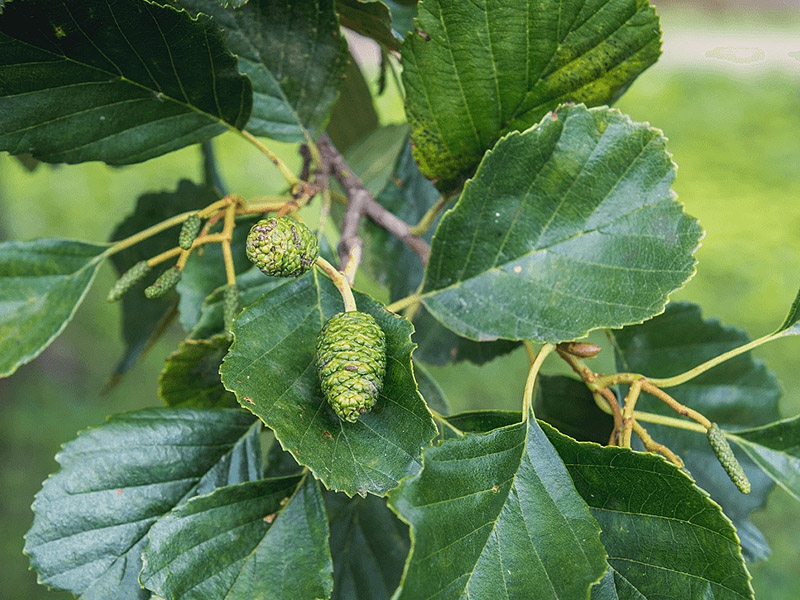
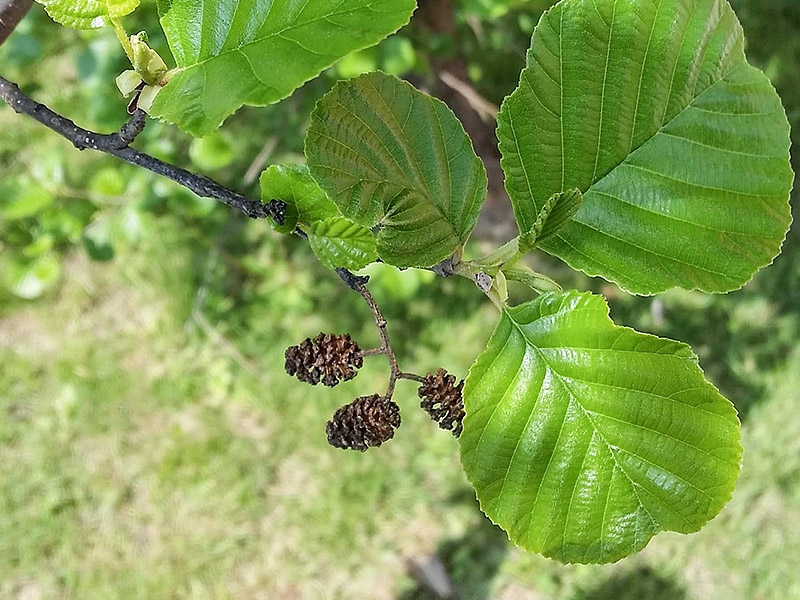
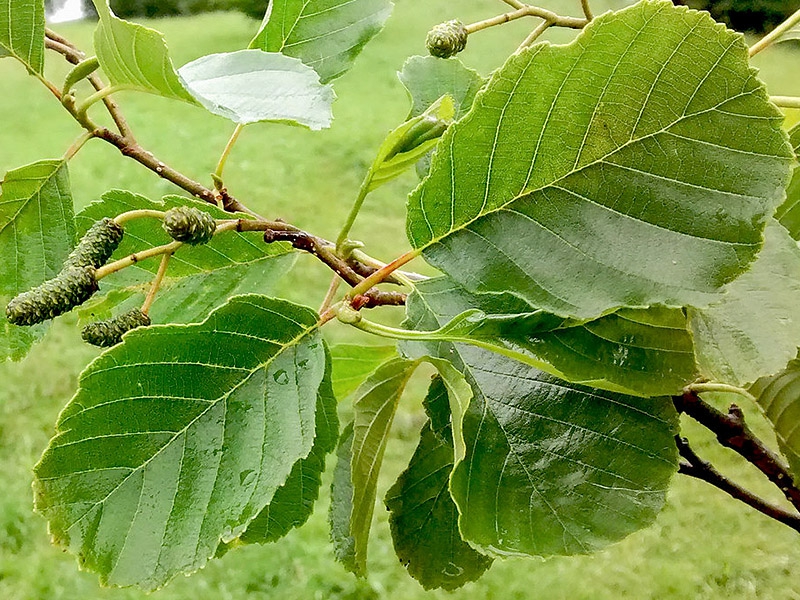
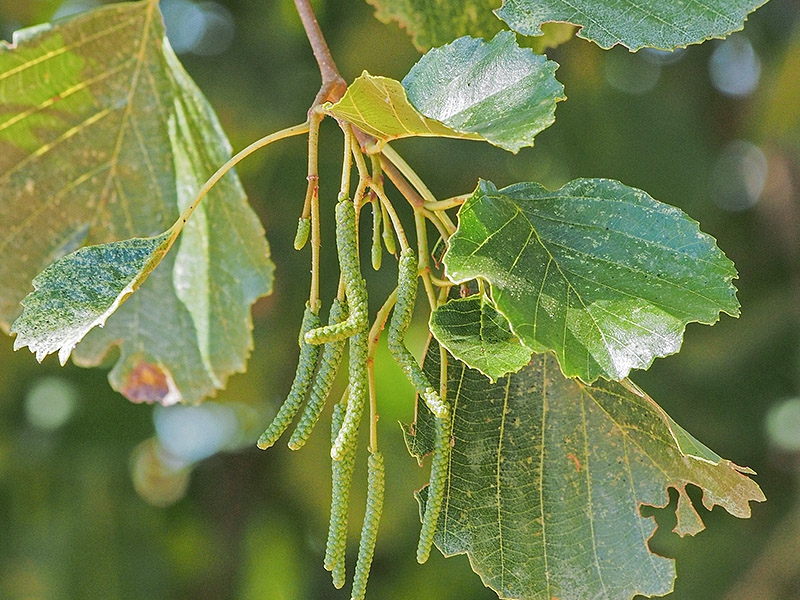
European alder (Alnus glutinosa) is a broad-leaved tree that thrives in wetlands and along riverbanks. Its characteristics and cultivation methods are as follows: Growth Characteristics - Environment: European alders grow well primarily in moist areas. While they do not prioritize soil drainage, they prefer sunny locations. - Growth: It is a fast-growing tree that can typically reach heights of 20 to 30 meters. - Features: The leaves are round with slightly concave tips and often remain on the tree throughout the winter. Propagation Methods - Seeds: European alders propagate easily by seeds. Collect mature seeds in the autumn and sow them directly the following spring. - Cuttings: Propagation is also possible via cuttings; simply take cuttings from branches cut during the summer. Cultivation Methods - Planting: It is best to plant in well-drained wetlands, ensuring a sufficient water supply. - Maintenance: It does not require extensive care, but management is necessary to prevent weeds from growing around the tree. Uses in Gardens European alder is useful for adding a natural feel to gardens and is particularly suitable for moist environments. It is primarily planted in parks or around lakes. Important Pests and Control Methods - Diseases: Since fungi or diseases can develop on the leaves, ensure good ventilation and sunlight access. - Pests: Pests such as beetles or certain caterpillars may occur; in such cases, control can be achieved by using appropriate insecticides or by utilizing the natural ecosystem. European alder is an easy-to-care-for tree and can contribute significantly to adding vitality to your garden.
Plant Type
Plant Family
Betula family
Height
20~35m
Spread
Colors
red, green
Bloom Period
April~May
Water Needs
commonly
Exposure
Sunny
Freezing Resistance
-30°C
alder tree
Alnus japonica
Alder cerulata
Alnus serrulata