English
한국어
English
Español
中文
हिंदी
Home
News
Community
Dictionary
English
한국어
English
Español
中文
हिंदी
View list
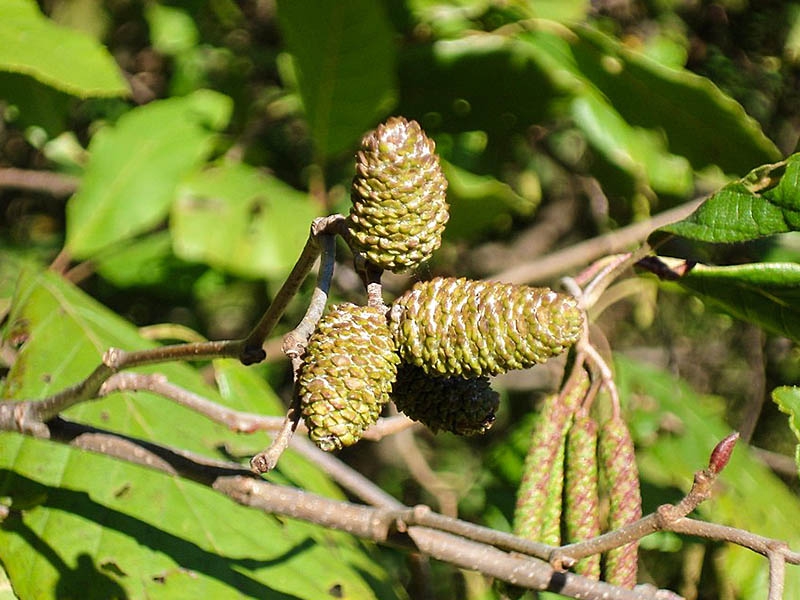
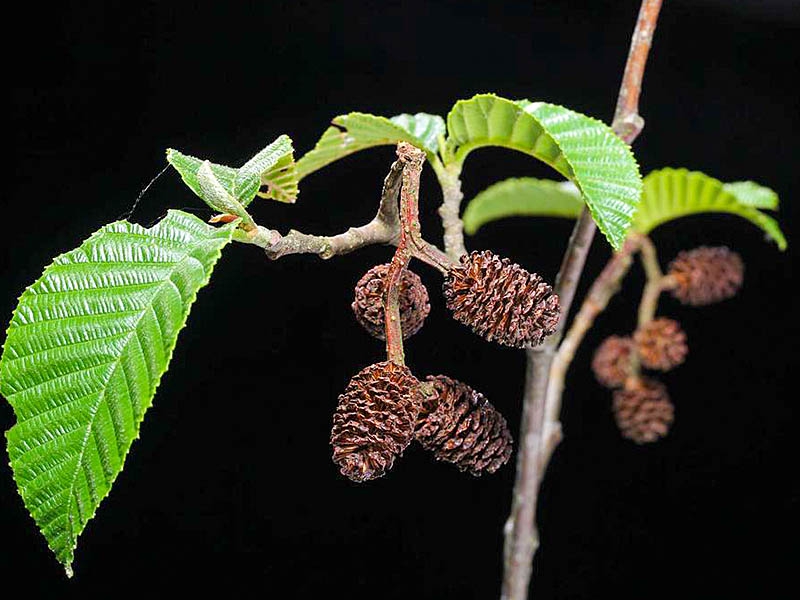
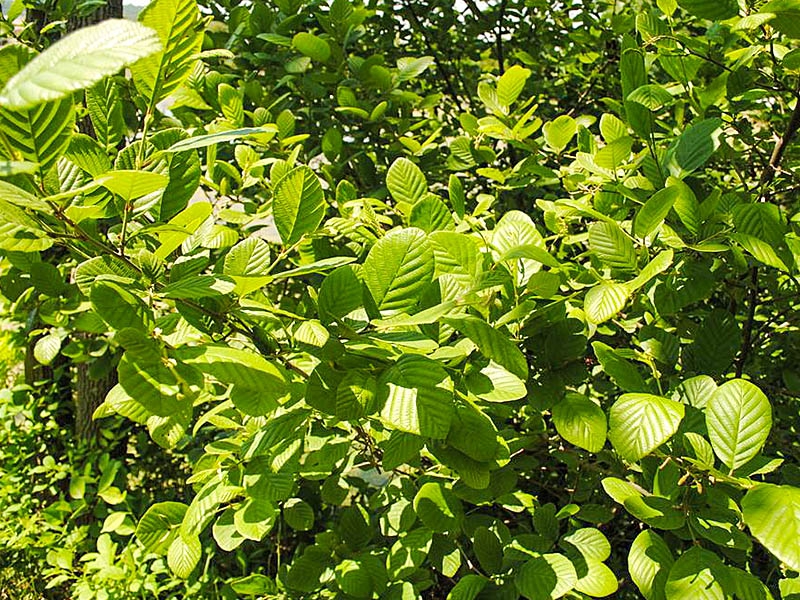
Alder cerulata
Alnus serrulata
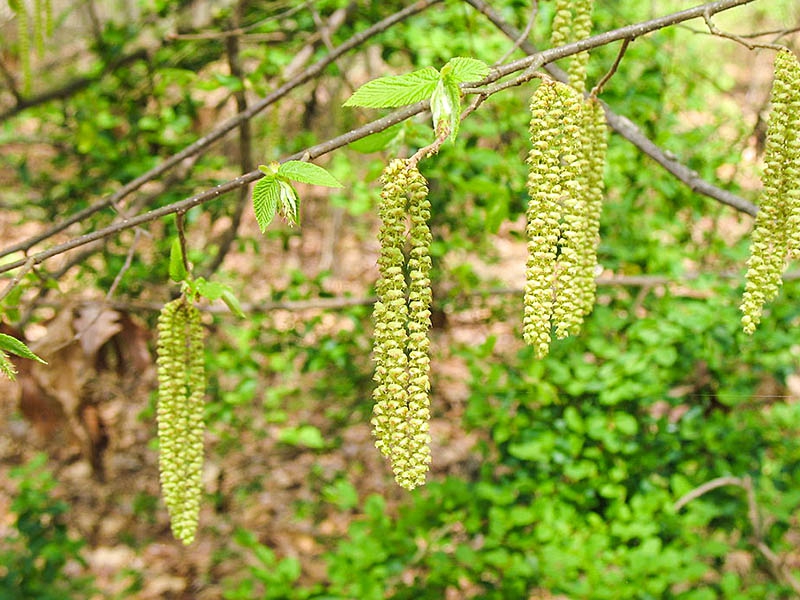
Characteristics and Cultivation Methods of Alnus serrulata - Growth Characteristics: - Environmental Adaptability: Alnus serrulata is a wetland plant that thrives in moist areas. It is primarily found along rivers, in wetlands, and in low-lying soils, and it has excellent adaptability even in areas with poor soil drainage. - Growth Rate: This tree grows relatively quickly, with mature trees reaching approximately 3 to 5 meters in height. - Leaves and Flowers: The leaves are oval-shaped with small serrations along the edges. Flowers bloom in the spring and appear in small flower clusters. - Propagation Methods: - Seed Propagation: Alnus serrulata is primarily propagated by seeds. Mature seeds can be harvested in the autumn and planted immediately, or stored in the refrigerator and sown the following spring. - Cutting Propagation: Propagation is possible via cuttings. Simply cut a well-grown branch in the summer and plant it in soil where fine roots develop well. 3. Cultivation Method: - Soil: It prefers moist soil and grows even better in slightly well-drained soil. - Display and Spacing: Plant in a location where it receives sufficient sunlight compared to other plants, and it is recommended to space trees about 2 to 3 meters apart. - Care: It does not require special care, but it is beneficial to shape it by pruning in early spring. - Use in Gardens: - Alder cerulata is suitable for wetlands or sloping areas. In gardens, it is effective for creating waterside landscapes or planting along the boundaries of green spaces to achieve harmony. - Ecologically, it plays a role in regulating water flow and supporting the surrounding ecosystem. - Major Pests and Diseases and Control Methods: - Diseases: Leaf diseases caused by fungi may occur. To prevent this, it is recommended to improve ventilation through proper pruning and to immediately remove infected leaves. - Pests: Major pests that can attack alder trees include aphids, which can be controlled using soapy water or appropriate insecticides. Alder cerulata is a plant that plays a beneficial role in the natural environment, and utilizing it properly in the garden can add ecological value.
Plant Type
Plant Family
Betula family
Height
3~6m
Spread
2.4~4.5m
Colors
yellow
Bloom Period
March to August
Water Needs
commonly
Exposure
Sunny
Freezing Resistance
-30°C
European alder
Alnus glutinosa
Alocasia sanderiana
Alocasia sanderiana