English
한국어
English
Español
中文
हिंदी
Home
News
Community
Dictionary
English
한국어
English
Español
中文
हिंदी
View list
Giant Taro
Alocasia macrorrhizos
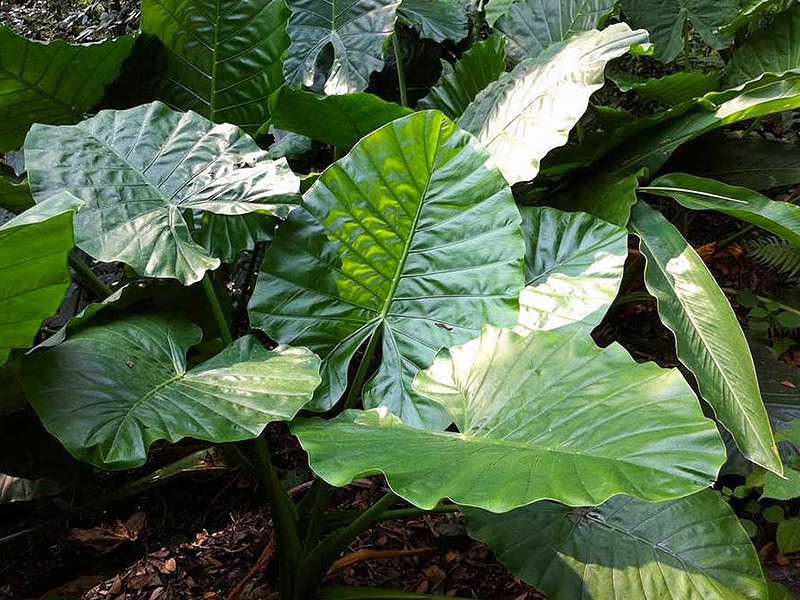
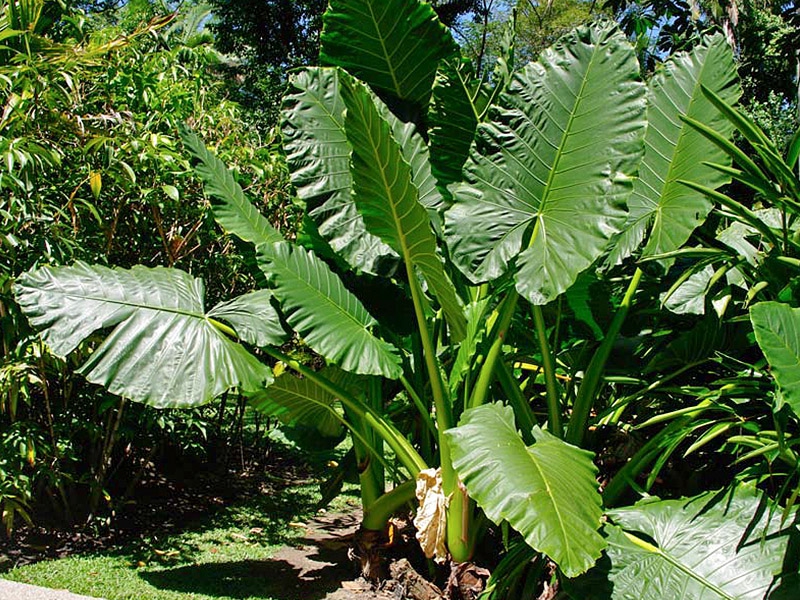
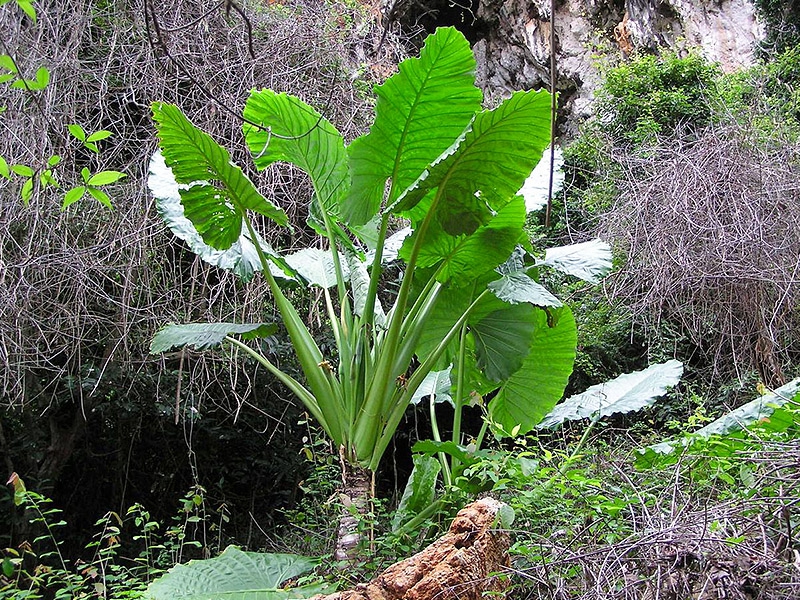
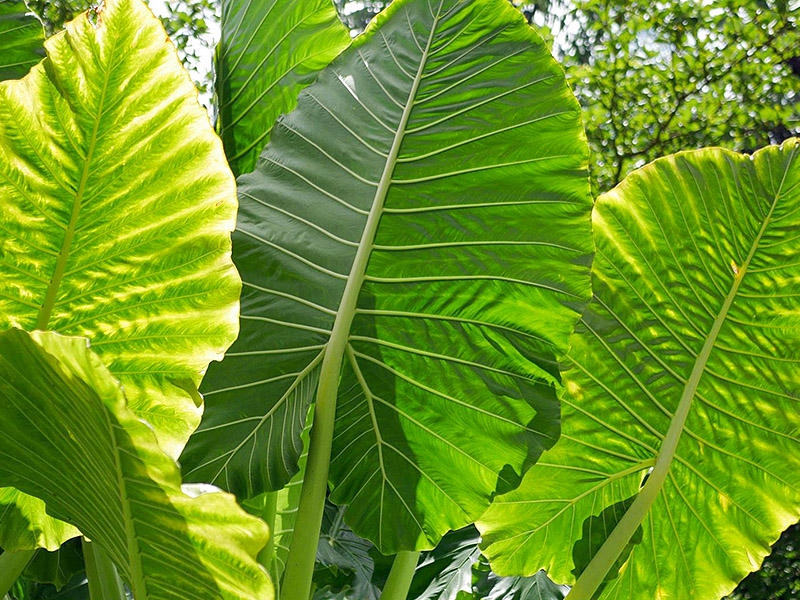
Giant Taro (Alocasia macrorrhizos) is popular as an ornamental plant due to its unique appearance and large leaves. Growth Characteristics - Sunlight: It thrives in partial shade, and direct sunlight should be avoided. - Temperature: It prefers a warm climate; it does not grow well if the temperature drops below 10 degrees Celsius. - Humidity: It likes a hot and humid environment. - Soil: Well-drained soil is preferred. Soil rich in organic matter is ideal. Propagation Methods - Propagation: It is mainly propagated by bulbs or division. - Bulbs: Separate the bulbs and plant them in pots of an appropriate size. - Division: You can propagate by dividing the clumps when the roots have grown sufficiently. Cultivation Methods - Watering: Water thoroughly when the surface of the soil dries out. Be careful not to overwater. - Fertilizer: Apply slow-release fertilizer about once a month during the growing season. - Care: During the winter, it is important to reduce watering and maintain the temperature. Garden Use - Ornamental: The large leaves create an exotic atmosphere in gardens or indoor spaces. - Landscaping: Suitable for landscaping in semi-shaded areas. Important Pests and Control Methods - Diseases: Fungal diseases or root rot may occur. - Control: Prevent by ensuring proper drainage and ventilation. Use fungicides if an outbreak occurs. - Pests: Aphids and scale insects may occur. - Control: Manual removal or wiping with soapy water is an effective method upon early detection. By referring to this information, you can effectively manage your Giant Taro. If you create an optimal environment, it will grow healthily.
Plant Type
Plant Family
Araceae
Height
3.5~4.5m
Spread
Colors
green
Bloom Period
May to August
Water Needs
commonly
Exposure
semi-shaded area
Freezing Resistance
-5°C
Alocasia sanderiana
Alocasia sanderiana
Alocasia lowii
Alocasia lowii