English
한국어
English
Español
中文
हिंदी
Home
News
Community
Dictionary
English
한국어
English
Español
中文
हिंदी
View list
Aloe mitriformis
Aloe mitriformis
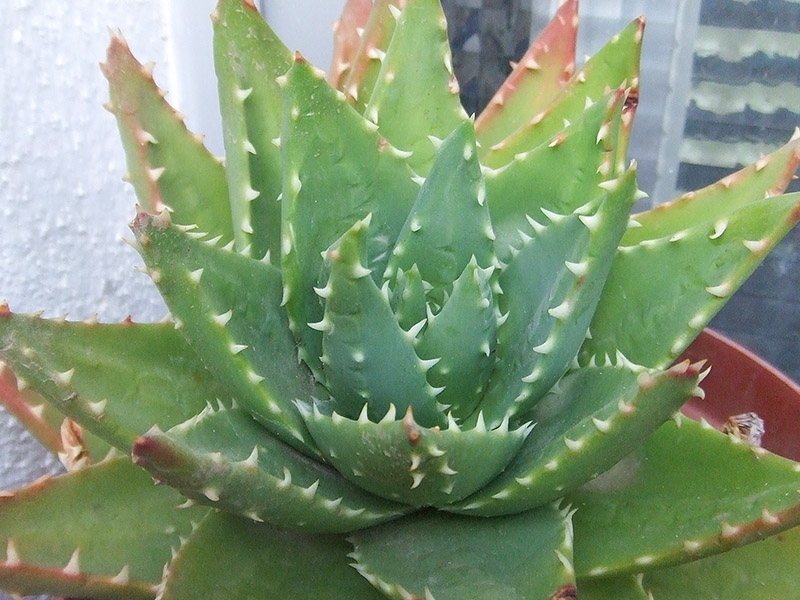
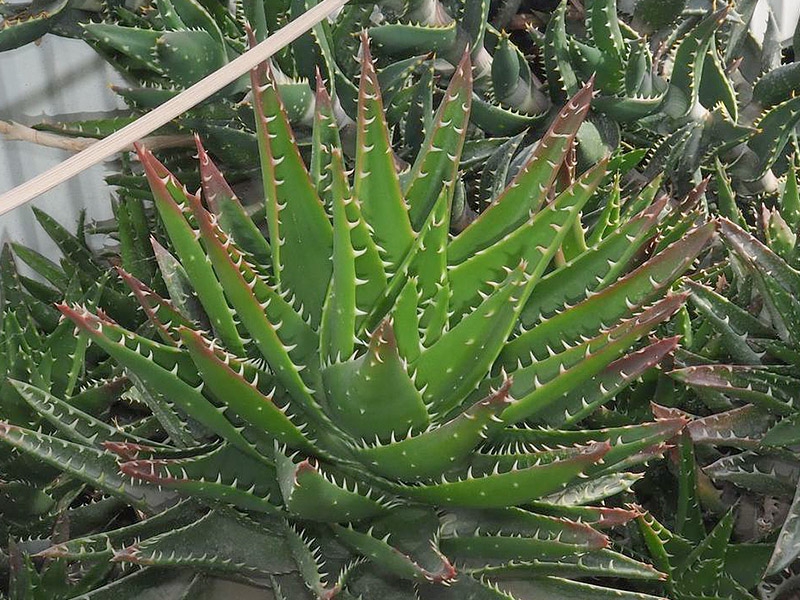
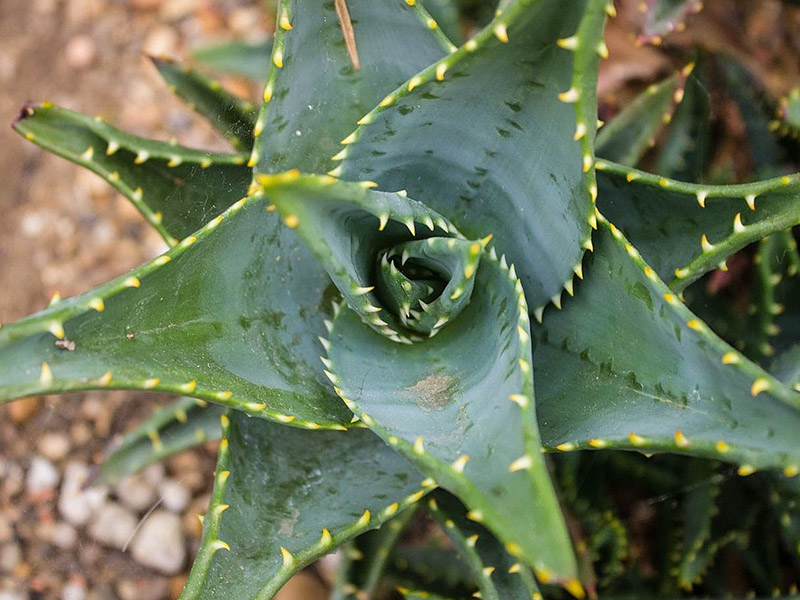
Aloe mitriformis is a type of succulent plant popular as an ornamental due to its thick leaves and rosette-shaped structure. Below, we will explain the plant's growth characteristics, propagation methods, cultivation techniques, garden uses, and pest and disease control methods. Growth Characteristics - Environment: It thrives in sunny locations and can adapt to partial shade. The optimal temperature range is between 10 and 30 degrees Celsius. Since it is susceptible to damage in frosty or cold environments, it is recommended to overwinter it indoors. - Soil: It prefers well-draining soil. Mixing in sand and gravel improves drainage. - Watering: It is sensitive to overwatering, so it is advisable to water only after the soil has completely dried. Generally, it is watered once a week in the summer and 2 to 3 times a week in the winter. Propagation Methods - Perilla Propagation: You can utilize the perilla plants (small plants that sprout naturally) that grow around the mother plant. Perilla roots independently while remaining connected to the parent plant, so once it grows to a suitable size, it can be separated and planted. - Seed Propagation: Seed propagation is time-consuming and generally has a low germination rate. However, it is a good method for obtaining genetically diverse individuals. Cultivation Method - Soil Preparation: Prepare well-draining soil specifically designed for succulents, or mix sand and gravel into general potting soil. - Pot Selection: Select a pot size appropriate for the plant, but it is important to use a pot with drainage holes. - Planting: Take care not to damage the roots when planting. After planting, water thoroughly to ensure the roots make good contact with the soil. Uses in the Garden - Decorative Role: Due to the unique shape and texture of its leaves, it is excellent for use as a decorative element in flower beds, rock gardens, or large pots. - Functional Role: Suitable for creating water-saving gardens in dry regions. Important Pests and Diseases and Control Methods - Diseases: Caution is required as root rot can occur due to excessive moisture. If disease occurs, remove damaged roots and leaves, and replant in fresh soil. - Pests: Common pests include scale insects and aphids. To prevent this, observe the plant regularly; if pests are found, remove them with a cotton swab soaked in alcohol or use an appropriate insecticide. Aloe mitriformis is hardy in itself, but with proper care and environment, it can be grown even more beautifully and healthily.
Plant Type
Plant Family
Lily family
Height
1.8m
Spread
Colors
red
Bloom Period
May to August
Water Needs
commonly
Exposure
Sunny
Freezing Resistance
-5°C
Fan Aloe
Aloe plicatilis
Kilimanjaro Aloe
Aloe confusa