English
한국어
English
Español
中文
हिंदी
Home
News
Community
Dictionary
English
한국어
English
Español
中文
हिंदी
View list
Aloe sucotrina
Aloe succotrina
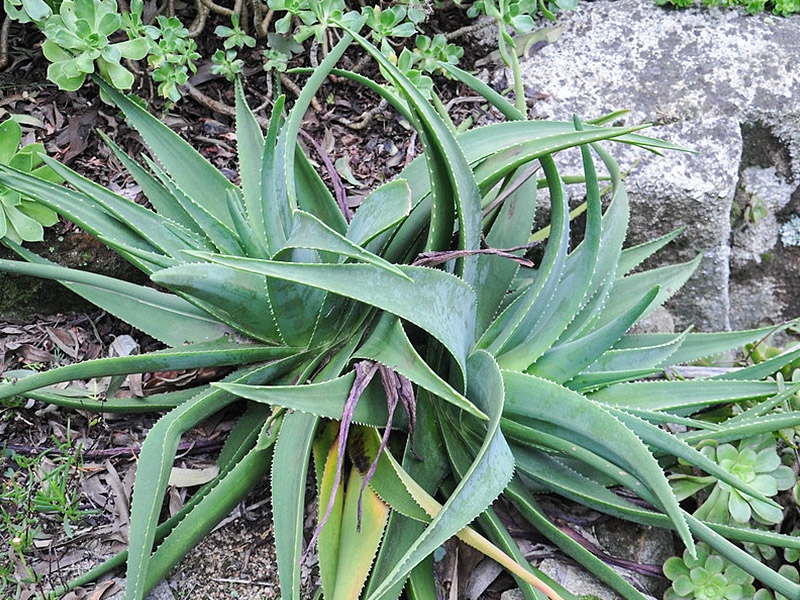
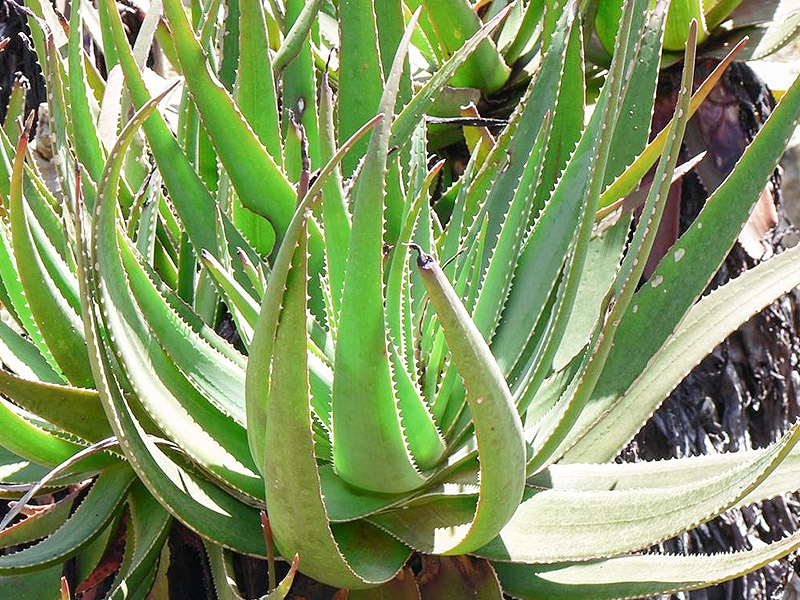
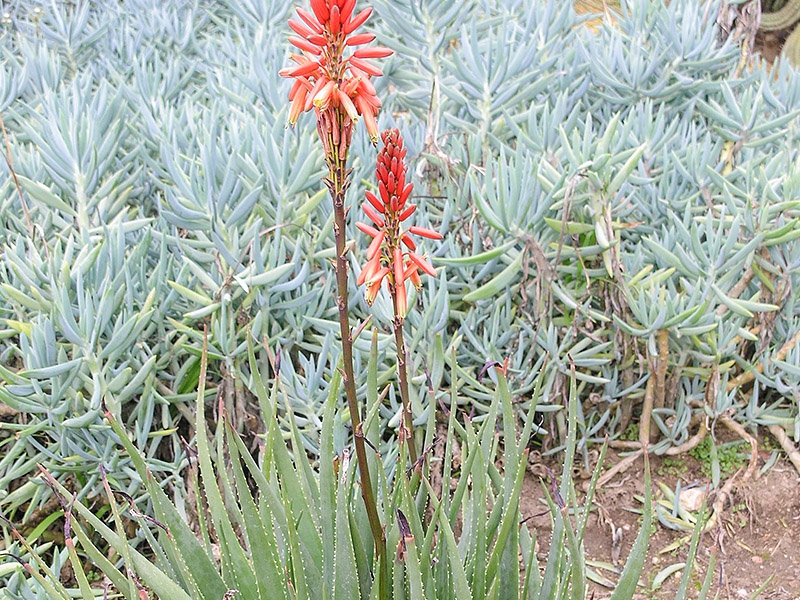
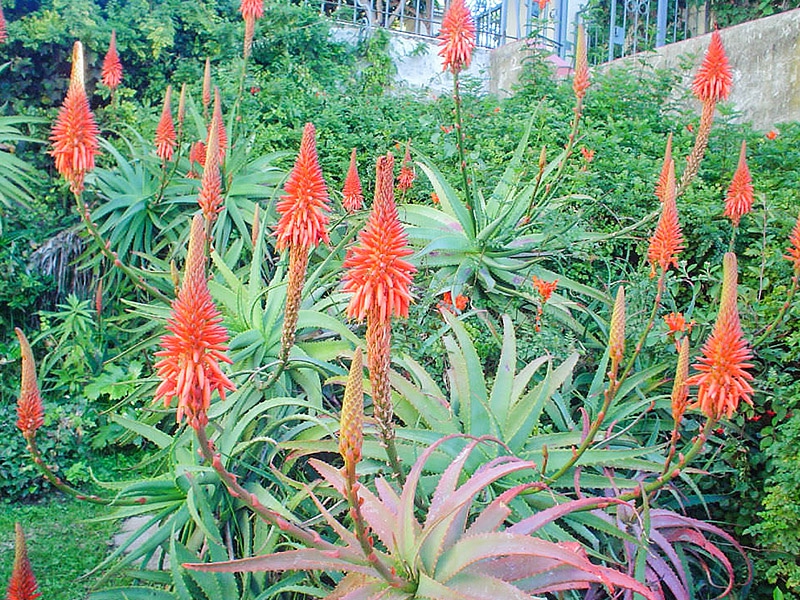
Aloe succotrina is a succulent plant native primarily to South Africa. Its growth characteristics and cultivation methods are as follows: Growth Characteristics - Habitat: It is mainly found in dry, well-ventilated areas such as rocky regions. - Size: It typically grows to a height of 0.5 to 1 meter. - Leaves: The thick, fleshy leaves are bluish-green and have spines along the edges. - Flowers: It produces red or orange tubular flowers, blooming mainly from winter to spring. Propagation Methods - Seed Propagation: It can be propagated by sowing seeds in the spring. They should be planted in well-draining sandy soil, and germination takes some time. - Division: It can be propagated by separating offshoots from a mature plant and planting them in separate pots. Cultivation Methods - Sunlight: It prefers direct sunlight but can tolerate some shade. - Watering: It prefers a dry environment; water only after the soil has completely dried out. - Soil: Well-drained sandy soil is suitable. - Temperature: It tolerates cool temperatures, and it is recommended to maintain a temperature of 5 degrees or higher even in winter. Uses in the Garden- Taking advantage of its natural habitat characteristics, Aloe sucotrina fits well into rock gardens or desert-themed gardens and harmonizes well with surrounding plants. Important Pests and Diseases & Control Methods - Diseases: Root rot can occur due to excessive moisture, so be careful not to overwater. - Pests: Pests such as scale insects may occur; control them through periodic observation and the use of appropriate insecticides when necessary. Although Aloe sucotrina is relatively resistant to pests and diseases, consistent basic care and observation are necessary to promote healthy growth.
Plant Type
Plant Family
Lily family
Height
1~2m
Spread
Colors
red
Bloom Period
June to September
Water Needs
Bad
Exposure
Sunny
Freezing Resistance
-3°C
Aloe Svinnertonii
Aloe swynnertonii
Aloe striatula
Aloe striatula