English
한국어
English
Español
中文
हिंदी
Home
News
Community
Dictionary
English
한국어
English
Español
中文
हिंदी
View list
Aloe gracilis
Aloe gracilis
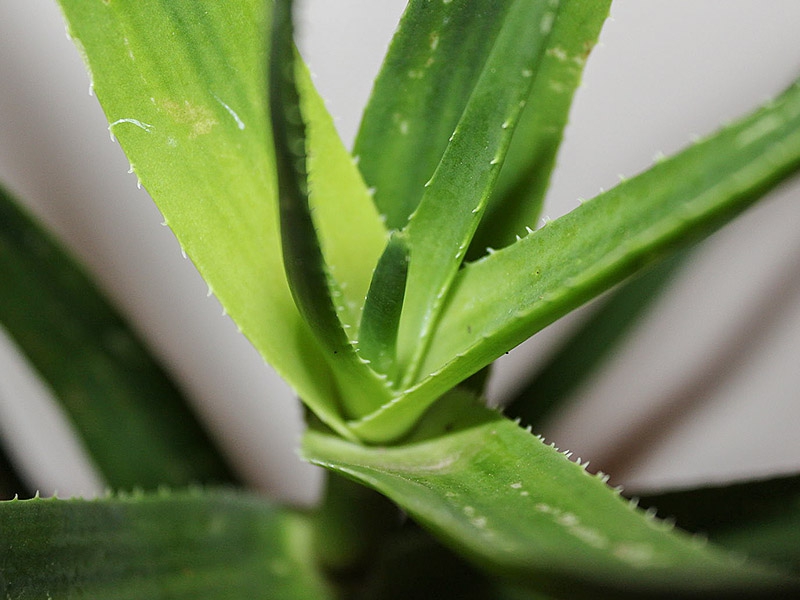
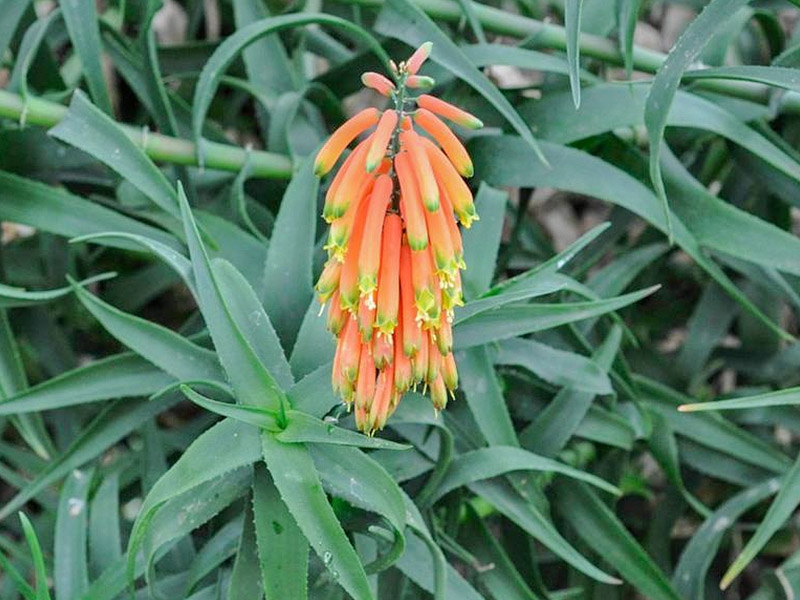
Aloe gracilis is a succulent plant native primarily to South Africa. The following is information regarding this plant's growth characteristics, propagation methods, cultivation methods, garden uses, major pests and diseases, and control methods. - Growth Characteristics - The leaves are linear, long, and thin, with fine teeth along the edges. - It primarily blooms in spring and summer, and the flowers are typically orange or red. - It thrives in sunny locations and adapts well to dry environments. - Propagation Methods - It is mainly propagated by seeds or cuttings. - Seeds are collected from mature flowers and sown; germination is best during warm periods. - For cuttings, cut a leaf or stem, dry it, and plant it in sand or coarse sand to encourage rooting. - Cultivation Methods - It is important to plant in sand or well-draining soil. - When grown outdoors, it prefers a location with direct sunlight, while a bright window sill is suitable indoors. - Water regularly, but avoid overwatering; it is best to water only when the soil has dried out. - Uses in the Garden - Its unique shape and flowers serve as a distinctive decoration for gardens or rock gardens. - It is suitable for zero-scaping gardens that create a dry environment. - Major Pests and Control Methods - Common pests include scale insects and aphids. - Scale insects can be removed with an alcohol-soaked cotton swab, and insecticides can be used if necessary. - Aphids can be controlled by spraying soapy water or using natural predators. - Fungal diseases may occur in humid environments, so ensure good ventilation and be careful of overwatering. Based on this information, you can effectively cultivate and manage Aloe gracilis.
Plant Type
Plant Family
Lily family
Height
2m
Spread
Colors
orange
Bloom Period
May to August
Water Needs
Bad
Exposure
Sunny
Freezing Resistance
-3°C
Aloe grandidentata
Aloe grandidentata
Aloe Globuli Gemma
Aloe globuligemma