English
한국어
English
Español
中文
हिंदी
Home
News
Community
Dictionary
English
한국어
English
Español
中文
हिंदी
View list
Aloe Comosa
Aloe comosa
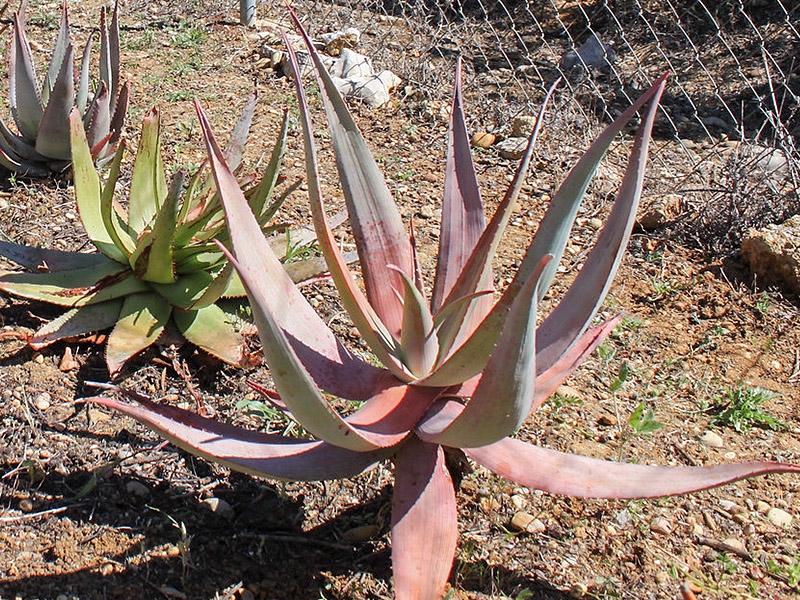
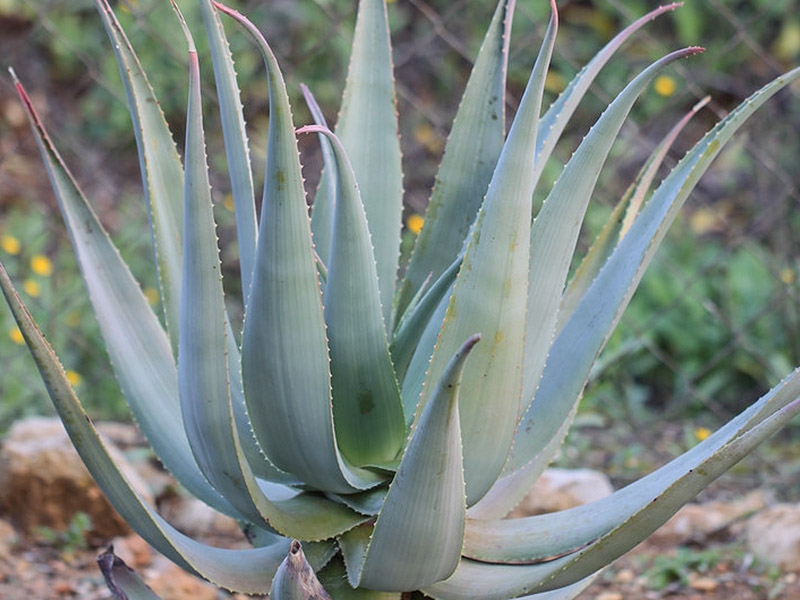
Aloe comosa #Growth Characteristics Aloe comosa is a succulent plant native to South Africa that grows primarily in dry regions. This plant features thick leaves and pink or orange flowers, which bloom on long flower stalks, creating a spectacular sight. It is highly drought-tolerant and heat-tolerant, allowing it to withstand even extreme environments. #Propagation Methods Aloe comosa is primarily propagated by seeds and division. Propagation by seeds takes time but produces high-quality seeds, while division allows for rapid propagation. Division is performed in spring or autumn, and it is important to ensure the plant is thoroughly dried after propagation to encourage root development. #Cultivation Methods It is best to cultivate it in well-drained soil and place it in a sunny location. Water moderately, but reduce watering during the rainy season or winter. Caution is advised, as overwatering can cause root rot. Fertilizer should be applied in appropriate amounts during spring and summer. #Uses in the Garden Thanks to its unique leaves and flowers, Aloe comosa can serve as a visual focal point in the garden. It is particularly suitable for gardens in dry regions or ecological gardens. It blends harmoniously with rock gardens or desert-style gardens, and can also be planted in containers for indoor decorative use. #Important Pests and Control Methods Aloe comosa is relatively resistant to pests and diseases, but it can occasionally be infested by scale insects or aphids. To prevent this, inspect the plant regularly; if problems arise, wipe the affected area with ethyl alcohol or use an insecticide. Leaf fungal diseases can be caused by overwatering, so prevent them by paying attention to watering and ventilation.
Plant Type
Plant Family
Lily family
Height
2~3m
Spread
Colors
orange
Bloom Period
July~August
Water Needs
Bad
Exposure
Sunny
Freezing Resistance
-5°C
Aloe comptonii
Aloe comptonii
Aloe Commixstar
Aloe commixta