English
한국어
English
Español
中文
हिंदी
Home
News
Community
Dictionary
English
한국어
English
Español
中文
हिंदी
View list
Aloe capitata var. quartgiticola
Aloe capitata
var.
quartziticola
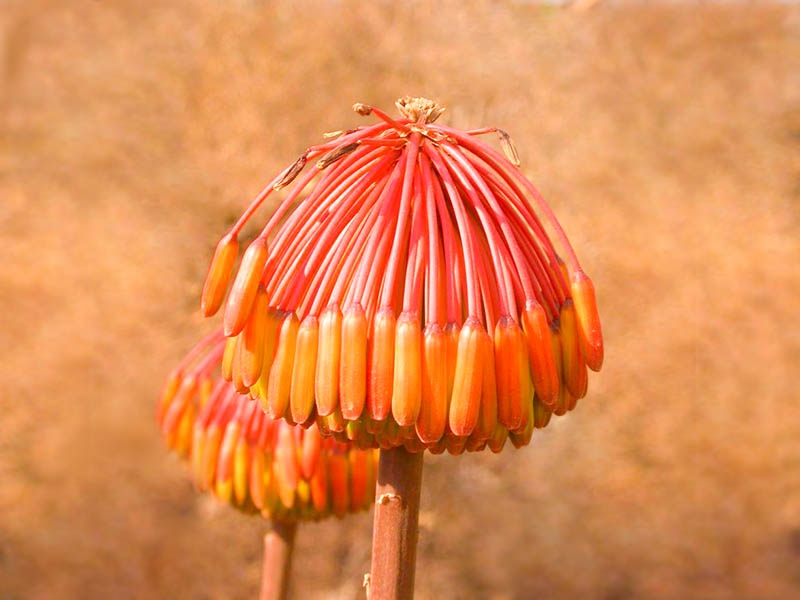
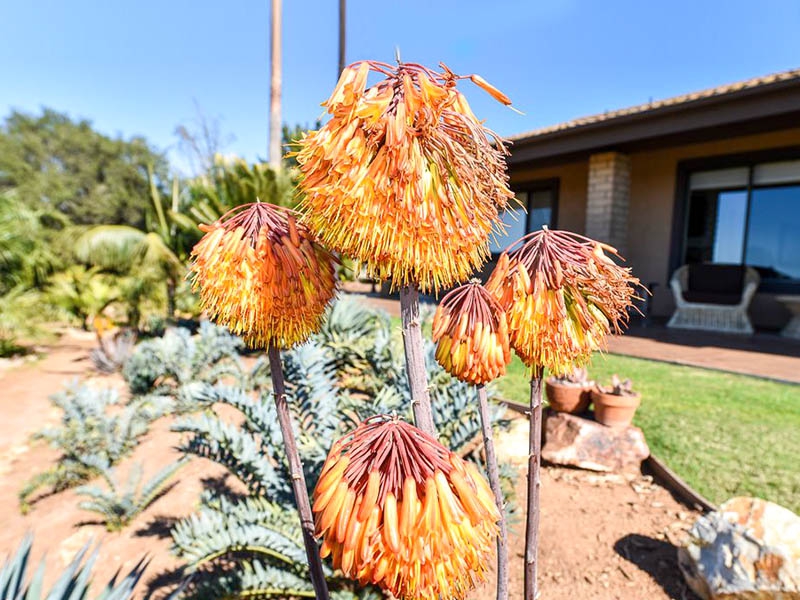
Aloe capitata var. quartziticola is one of the most popular garden plants due to its unique appearance and ecological characteristics. The following is information regarding this plant's growth characteristics, propagation methods, cultivation methods, garden uses, and major pests and diseases and control methods. Growth Characteristics - Growing Environment: It thrives primarily in warm and dry regions. It prefers sunny locations and requires well-drained soil. - Size: Mature plants typically grow to about 30–60 cm in height. - Leaves: The thick, fleshy leaves are grayish-green, pointed at the tips, and often have small spines along the edges. - Flower Buds: It blooms with yellow or orange flowers in the spring, characterized by its showy flower stalks. Propagation Methods - Seed Propagation: Harvest seeds from mature flowers and sow them. Since seeds germinate best at warm temperatures, it is recommended to germinate them indoors where a moderate temperature is maintained. - Propagation by Offsets: Offsets can be separated from the parent plant and planted. Propagation by offsets is a relatively easy and quick way to obtain new plants. Cultivation Method - Watering: It is recommended to water thoroughly only after the soil has completely dried out. Overwatering can cause root rot. - Soil: Well-draining sandy soil is recommended. General succulent soil is also suitable. - Sunlight: Providing sufficient sunlight is important. If grown indoors, it should be placed near a window or in a sunny spot. Uses in the GardenAloe capitata var. quart giticola can be used as a focal point in the garden due to its unique appearance and showy flowers. It can also be placed alongside various succulents to create a garden with an arid zone concept. Important Pests and Control Methods - Diseases: Root rot caused by overwatering is a major issue. To prevent this, attention must be paid to drainage. - Pests: Scale insects and aphids may occur; these can be controlled by using fungicides periodically or wiping them with soapy water. - Control Methods: Early response is crucial when pests or diseases occur. Immediately remove contaminated areas and use appropriate insecticides if necessary. By following these management methods, you can grow a healthy Aloe capitata var. quart giticola.
Plant Type
Plant Family
Lily family
Height
60~90cm
Spread
60~90cm
Colors
yellow
Bloom Period
March to August
Water Needs
Bad
Exposure
Sunny
Freezing Resistance
-5°C
Aloe Dorothea
Aloe dorotheae
Aloe broom
Aloe broomii