English
한국어
English
Español
中文
हिंदी
Home
News
Community
Dictionary
English
한국어
English
Español
中文
हिंदी
View list
Aloe Barbera
Aloidendron barberae
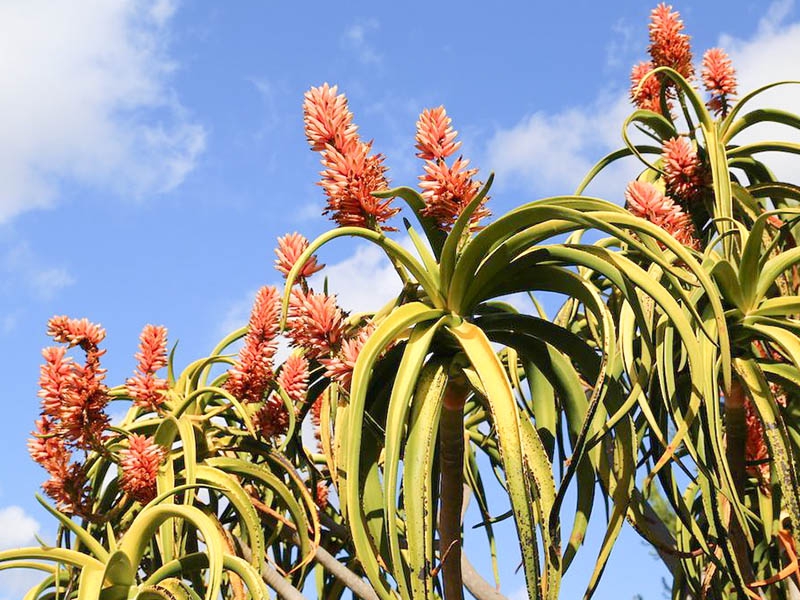
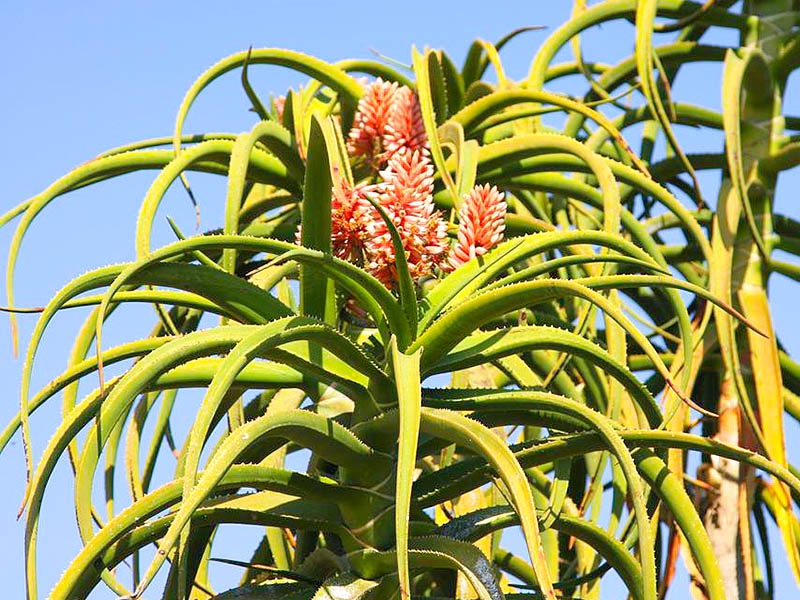
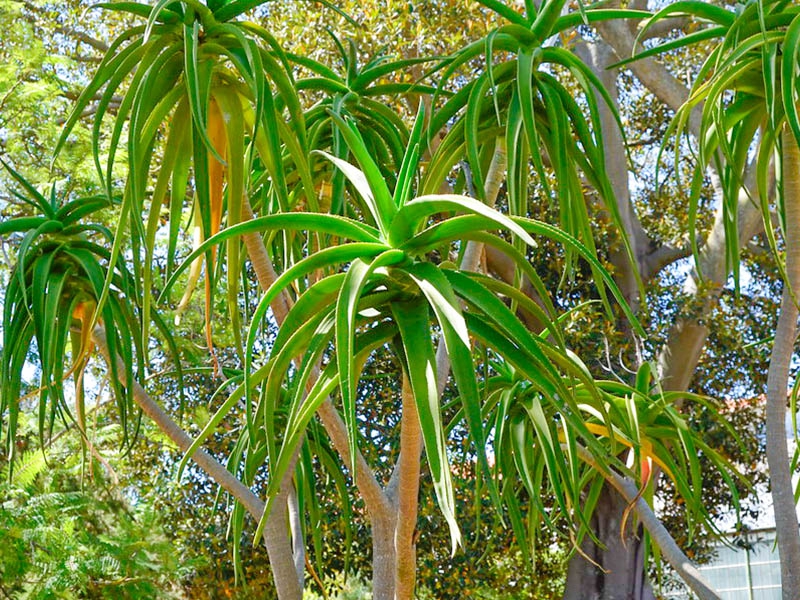
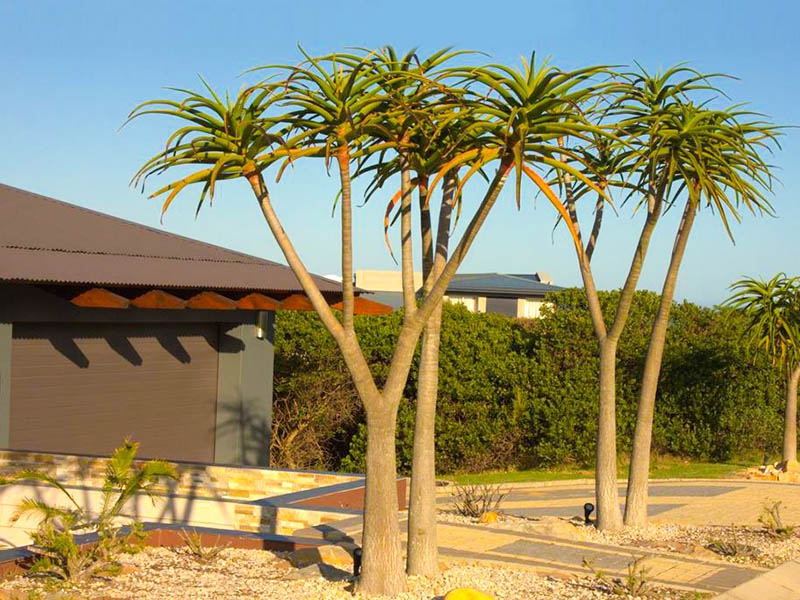
Aloe barberae, commonly known as tree aloe, is a large succulent native primarily to South Africa. The following covers the plant's growth characteristics, propagation methods, cultivation techniques, garden uses, and major pests and diseases, as well as control methods. Growth Characteristics - Environment: It prefers warm, dry environments and thrives in well-drained soil. A well-ventilated location is ideal. - Temperature: It is tolerant of cool temperatures but is sensitive to sub-zero temperatures. - Sunlight: It adapts well to direct sunlight but can also grow in partial shade. Propagation Methods - Seed Propagation: It can be propagated using seeds, although germination may take some time. - Cutting Propagation: It can be propagated via stem cuttings. Cut stems must be thoroughly dried before planting. Cultivation Methods - Watering: As with other succulents, water only after the soil has completely dried. - Soil: Use well-draining soil; generally, potting mix for succulents is used. - Fertilizer: It is recommended to apply light fertilizer during the growing season. Uses in the Garden- Since it grows large and resembles a tree, it is suitable as a focal point in the garden. - It is excellent for landscaping and looks good when planted in harmony with surrounding plants. Important Pests and Control Methods- Pests and Diseases: Overwatering associated with root rot is the most common problem. Ensure good drainage. - Pests: Aphids or scale insects may occur; they can be controlled using soapy water or insecticides. - Prevention: Pests and diseases can be prevented through regular ventilation and proper watering. With this information, you can grow Aloe Baberae Barberai healthily and utilize it in your garden in various ways.
Plant Type
Plant Family
Lily family
Height
6~9m
Spread
3~6m
Colors
green
Bloom Period
March to August
Water Needs
Bad
Exposure
Sunny
Freezing Resistance
-2°C
Aloe Distance
Aloe distans
Alloinopsis villettii
Aloinopsis villetii