English
한국어
English
Español
中文
हिंदी
Home
News
Community
Dictionary
English
한국어
English
Español
中文
हिंदी
View list
large sedge
Alopecurus pratensis
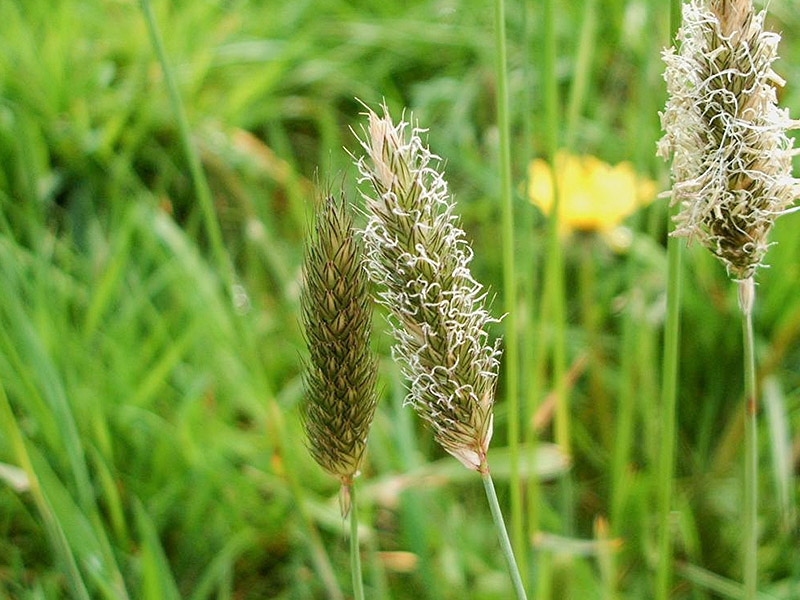
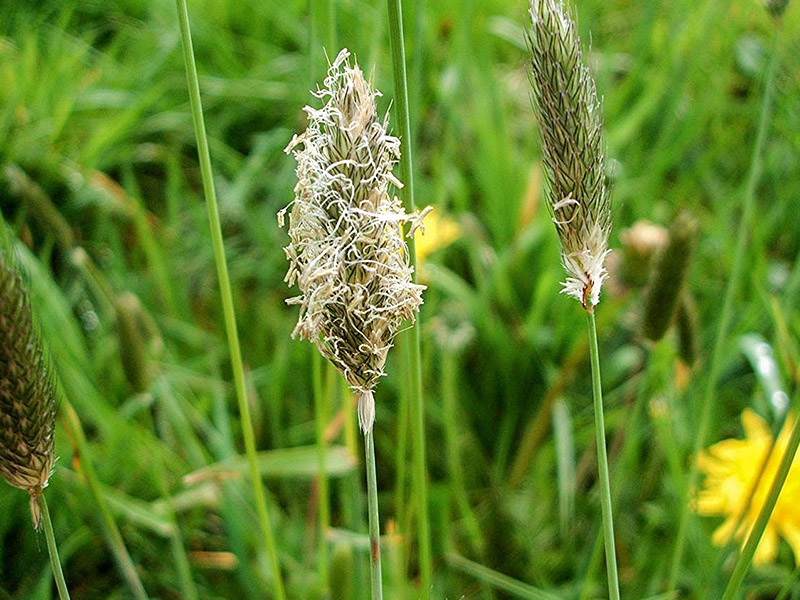
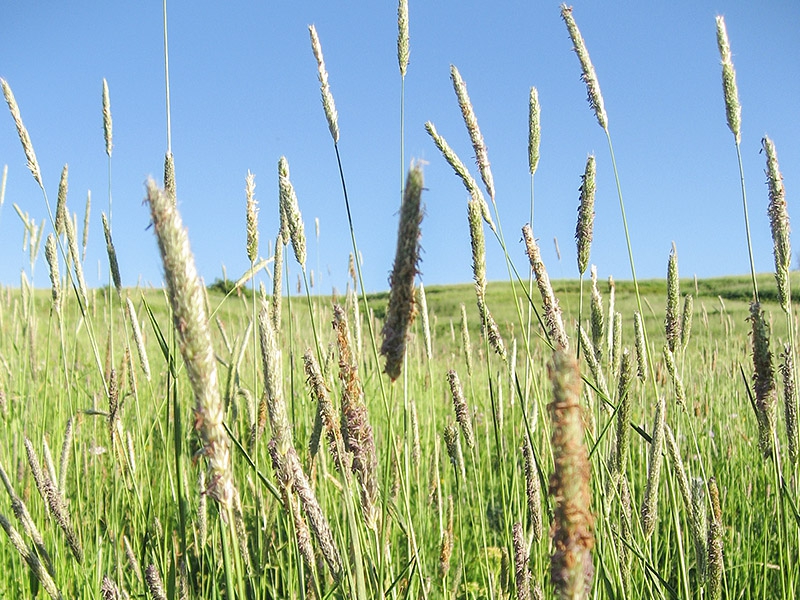
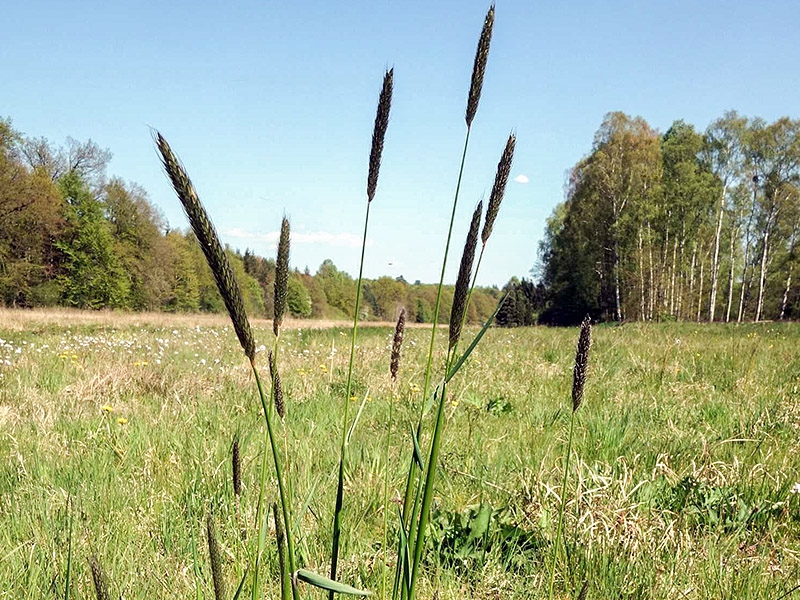
Alopecurus pratensis has the following growth characteristics, propagation methods, cultivation methods, garden uses, and information on important pests and diseases and control methods. Growth Characteristics - Growing Environment: Alopecurus pratensis thrives in moist soil and prefers environments with high humidity and abundant nutrients. It grows well mainly along riverbanks, wetlands, and grasslands. - Growth Cycle: As a perennial herbaceous plant, it grows in the spring and reaches its peak growth period in the summer. - Height and Appearance: It typically grows to a height of 30 to 100 cm, and its flowers form in spike-like clusters. Propagation Methods - Seed Propagation: It is primarily propagated by seeds, and sowing in the spring is common. - Vegetative Propagation: Propagation by dividing rhizomes is also possible. Cultivation Methods - Soil Preparation: It is important to prepare well-drained and fertile soil. A soil pH between neutral and slightly acidic is suitable. - Sowing Time: Sow in spring or autumn, with spring sowing being particularly effective. - Watering Management: Maintaining humidity is important, but care must be taken as excessive moisture can lead to root rot. Uses in Gardens - Aesthetic Use: It is widely used to create natural-looking gardens or meadows. The unique shape of the flower spikes enhances the landscape. - Ecological Use: It serves to prevent soil erosion and provides habitats for insects. Important Pests and Control Methods - Diseases: It is generally resistant to major diseases, but fungal diseases may occur in hot and humid environments. - Pests: Pest damage is rare, but grasshopper or moth larvae may gnaw on the leaves. - Control Methods: Use appropriate fungicides or insecticides when pests occur. Prevention is possible through periodic soil inspection and ventilation. A natural method involves regulating the ecosystem by planting plants that attract pests in the surrounding area. Great sedge (Pratense pratensis) is a plant loved by gardeners because it is relatively easy to care for. It can grow healthily if provided with a suitable environment.
Plant Type
Plant Family
Poaceae
Height
50~100cm
Spread
Colors
yellow, purple
Bloom Period
May to July
Water Needs
commonly
Exposure
semi-shaded area
Freezing Resistance
-20°C
Sedge grass
Alopecurus aequalis
Mouse-tail grass
Alopecurus myosuroides