English
한국어
English
Español
中文
हिंदी
Home
News
Community
Dictionary
English
한국어
English
Español
中文
हिंदी
View list
European sedge
Alopecurus geniculatus
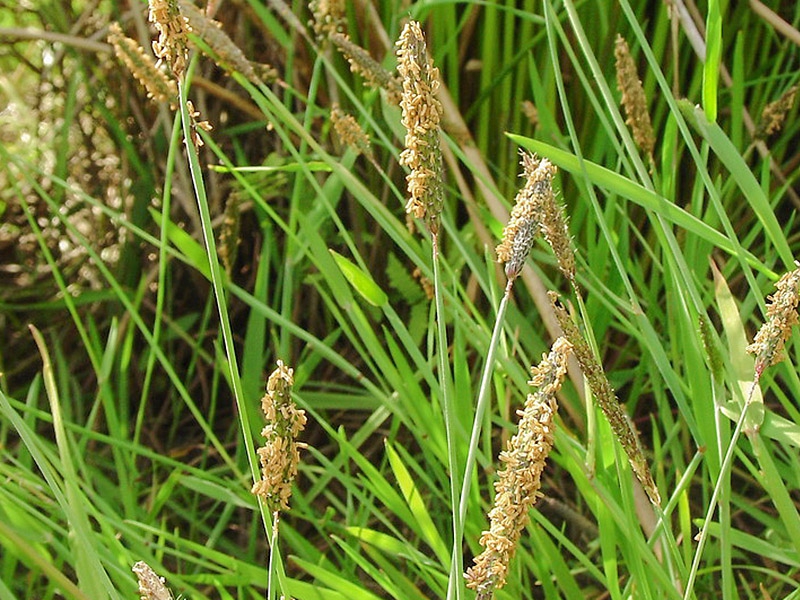
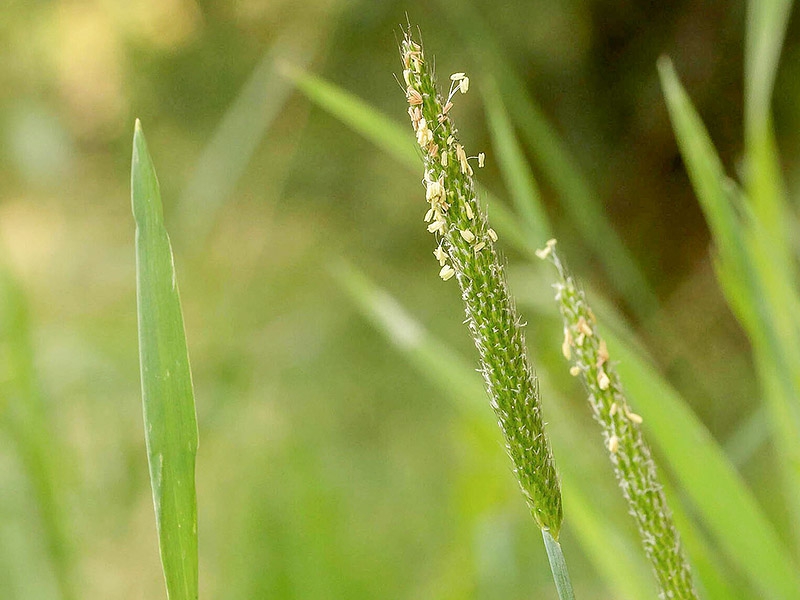
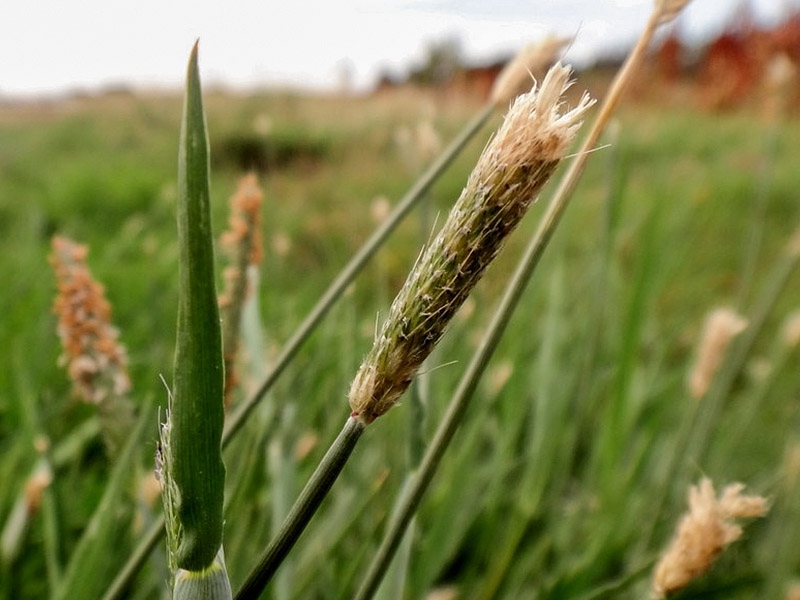
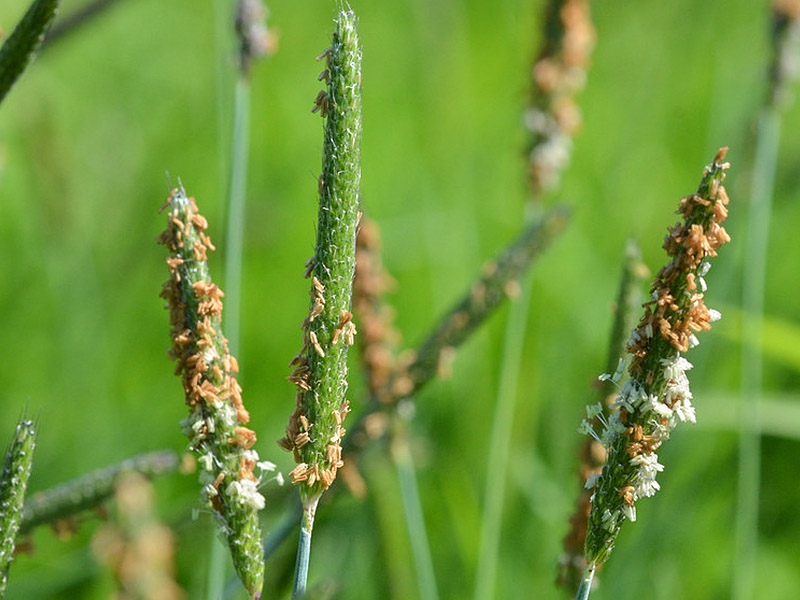
European White-tailed Buckthorn (Alopecurus geniculatus) is a perennial grass that thrives in wetlands and watersides. Its characteristics, propagation methods, and cultivation methods are as follows: Growth Characteristics - European White-tailed Buckthorn prefers relatively humid environments and grows well in watersides or wetlands. - It typically grows to a height between 30 and 60 cm, and its stems are characterized by a knee-like bend. - The leaves are broad and long, and are light green in color. Propagation Methods - It is primarily propagated by seeds. - In nature, seeds are dispersed by wind or water to settle in new locations. - If necessary, propagation is also possible through root division. Cultivation Methods - European White-tailed Buckthorn grows in a variety of environments, ranging from partial shade to full sun. - While it prefers moist soil, it is recommended to ensure good drainage. - Depending on the needs, seeds can be sown in spring or autumn, or it can be planted via root division. Uses in Gardens - It is particularly useful when creating natural gardens or wetlands. - Planting it near water can help maintain ecological balance. Important Pests and Control Methods - No specific pests or diseases have been reported, but root rot may occur due to excessive moisture. - For control, it is important to create a well-drained soil environment. - Pests and diseases can be managed through physical or chemical control as needed. European barnyard grass is a relatively easy plant to care for and can be utilized in various ways in ecological gardens or aquatic gardens.
Plant Type
Plant Family
Poaceae
Height
20~60cm
Spread
Colors
orange, yellow
Bloom Period
May to June
Water Needs
commonly
Exposure
Sunny
Freezing Resistance
-15°C
wren
Alopecurus japonicus
Lemon Verbena
Aloysia citrodora