English
한국어
English
Español
中文
हिंदी
Home
News
Community
Dictionary
English
한국어
English
Español
中文
हिंदी
View list
purslane
Amaranthus tricolor
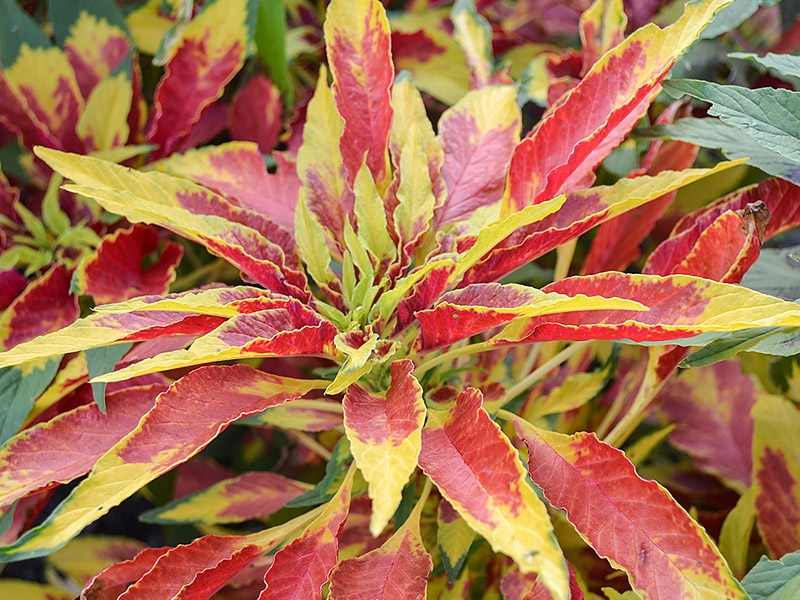
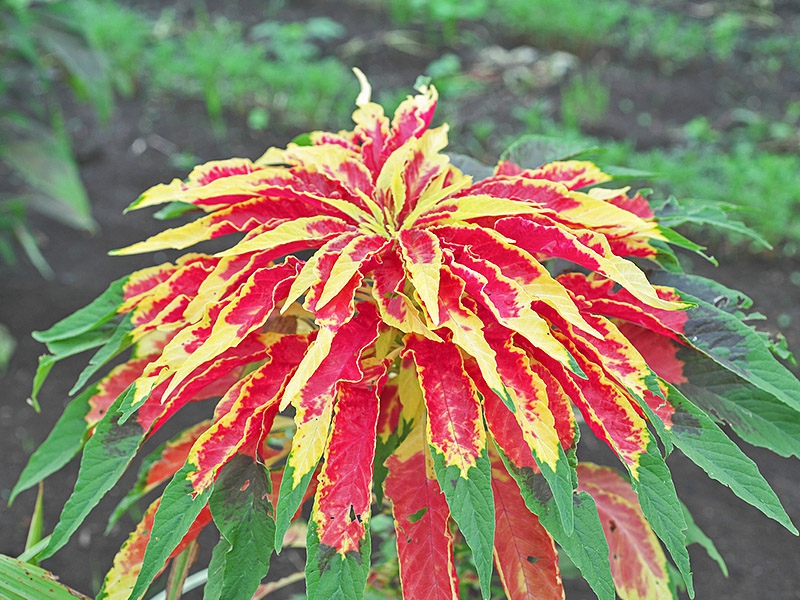
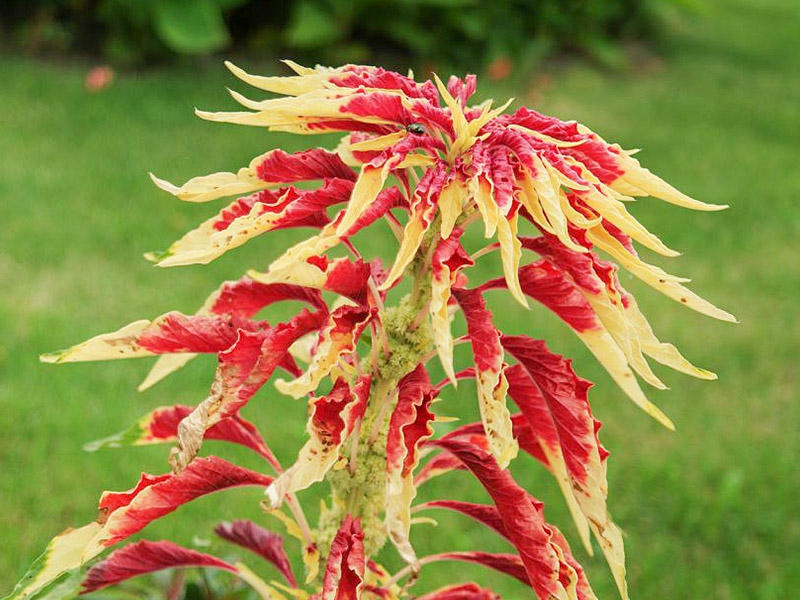
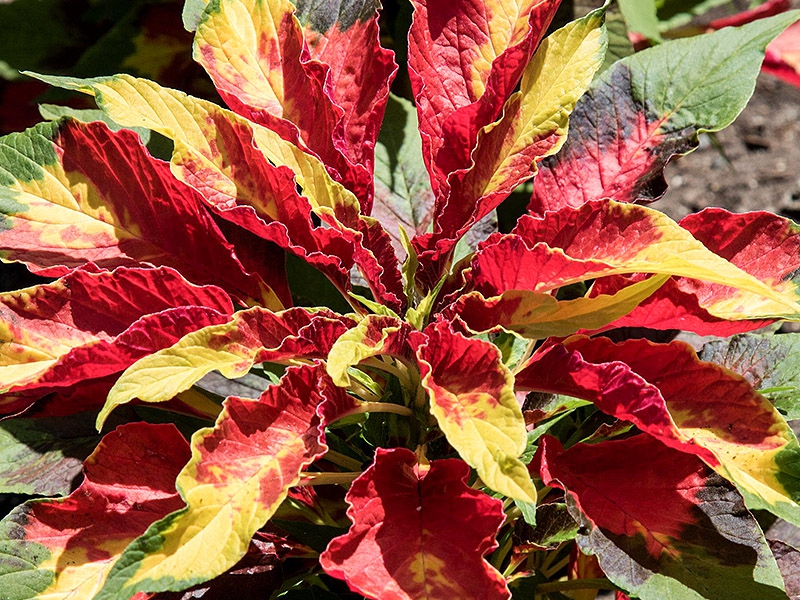
Amaranthus tricolor is a plant with uniquely colored leaves that is primarily cultivated for ornamental purposes. The following is information regarding the growth characteristics, propagation methods, cultivation methods, garden uses, and major pests and diseases and control methods of Amaranthus tricolor. Growth Characteristics - Amaranthus tricolor is an annual plant that grows rapidly and prefers warm climates. - The more sunlight it receives, the more vivid the colors become. - It prefers well-drained soil, and a soil pH between slightly acidic and neutral is suitable. Propagation Methods - It is mainly propagated by seeds. - Seeds can be germinated indoors in the spring or sown directly in the garden after the last frost. - Germination takes approximately 1 to 2 weeks. Cultivation Methods - It is best to plant in a warm, sunny location. - Water moderately, but avoid overwatering. - Provide salt and nutrients throughout the growing season to ensure healthy growth. - You can shape it into your desired form through occasional pruning. Uses in the Garden- It is excellent for use in flower beds or as a border plant. - Its unique leaf colors provide a distinctive accent to the garden. - It pairs well with other flowering plants and can be grown in containers. Important Pests and Control Methods - Although Amaranth tricolor is a relatively resistant plant, it can be susceptible to leaf blight and pest damage. - Pests such as aphids and spider mites may appear; these can be prevented through regular plant care. - If pests are found, remove them using soapy water or an appropriate insecticide. - Pay attention to ventilation and soil moisture management to prevent disease outbreaks. Based on this information, we hope you cultivate Amaranth tricolor well and maintain a beautiful garden.
Plant Type
Plant Family
Amaranthaceae
Height
2m
Spread
Colors
red, yellow, purple
Bloom Period
August to October
Water Needs
commonly
Exposure
Sunny
Freezing Resistance
-5°C
Blue purslane
Amaranthus viridis
hairy amaranth
Amaranthus retroflexus