English
한국어
English
Español
中文
हिंदी
Home
News
Community
Dictionary
English
한국어
English
Español
中文
हिंदी
View list
Celosia
Amaranthus cruentus
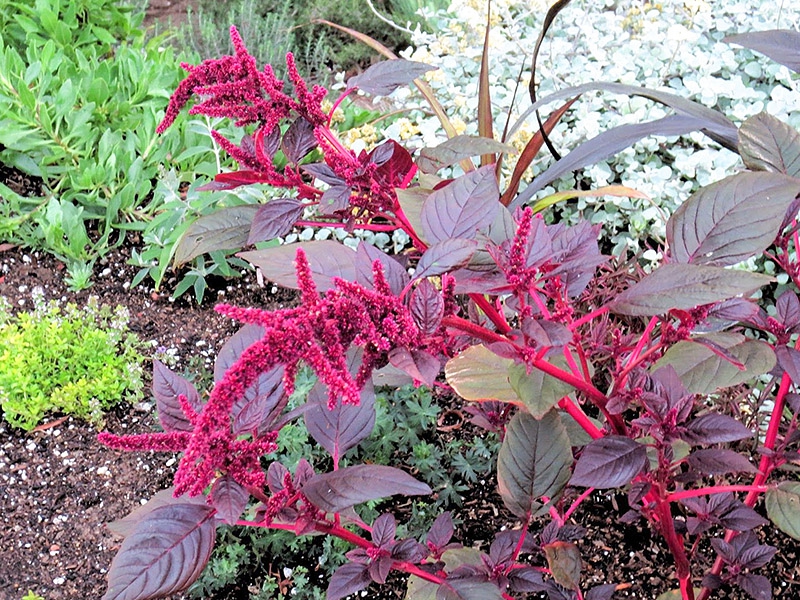
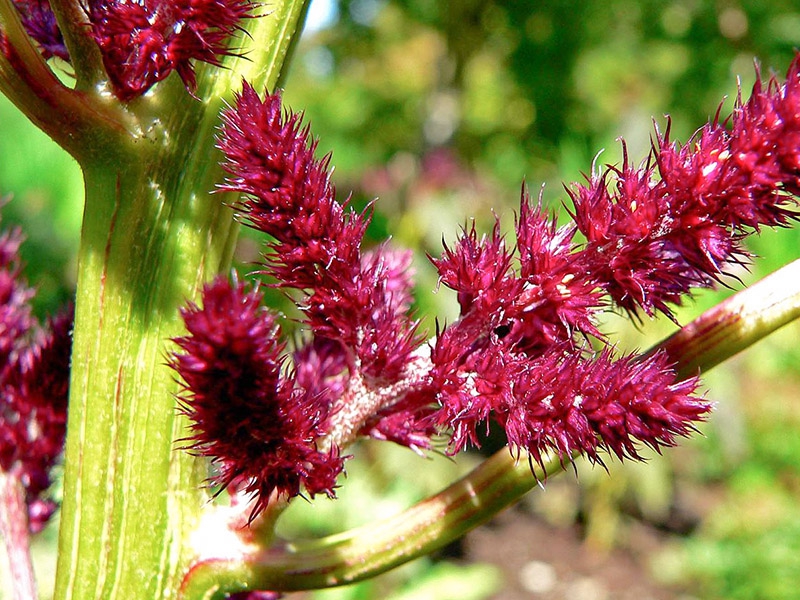
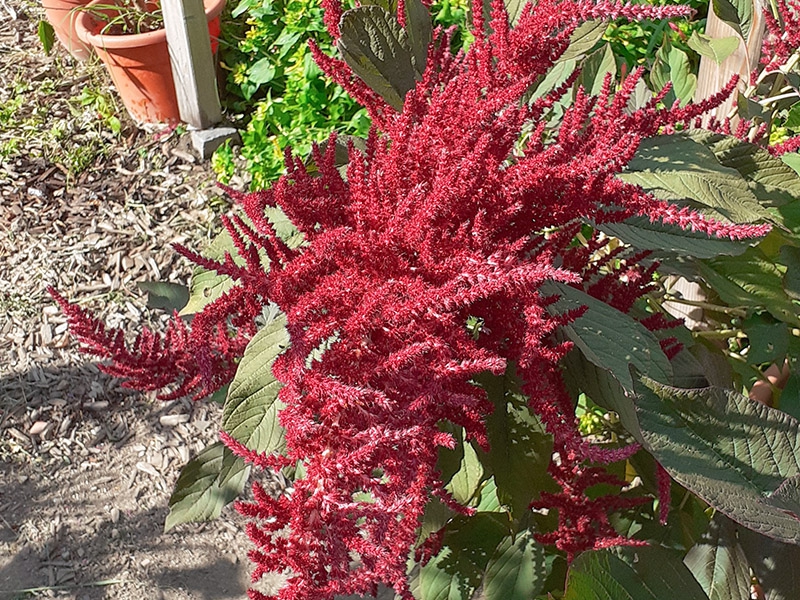
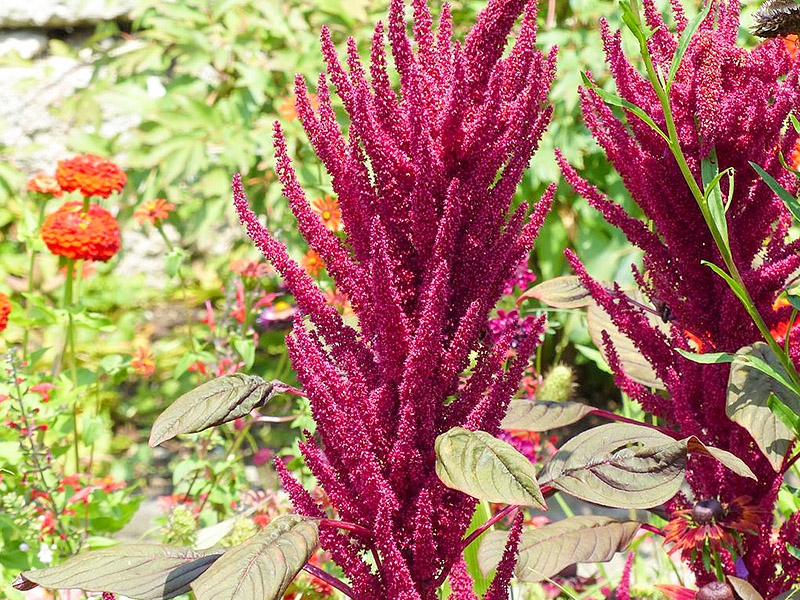
Amaranthus patulus has the following growth characteristics, propagation methods, cultivation methods, garden uses, major pests and diseases, and control methods. Growth Characteristics - Environment: Amaranthus patulus prefers a warm climate but grows well in a variety of environments. It thrives in locations with ample sunlight. - Soil: It grows well in fertile, well-drained soil. Soil with a pH of 6.0 to 7.5 is suitable. Propagation Methods - Seed Propagation: It is primarily propagated by seeds. Seeds can be sown directly in the spring or germinated indoors and transplanted. - Sowing Time: Late spring to early summer is suitable. Cultivation Methods - Water moderately and avoid overwatering. - It is recommended to apply fertilizer once or twice during the growing season. - Regular weeding is necessary along with weed management. Use in the Garden - It is primarily used for ornamental purposes in the garden. It is also beautiful when planted along the edges of flowerbeds or mixed with other plants for layering. - Since it grows to a height of 30–60 cm, it is suitable for understory planting. Important Pests and Control Methods - Aphids: They may occur periodically; in the early stages, they can be washed off with water or their spread can be controlled using soapy water. - Diseases: Fungal diseases can occur due to excessive moisture, so regulate watering and ensure good ventilation. - If necessary, a suitable fungicide can be used to prevent mold. By following these growth characteristics and precautions, you can grow healthy Amaranth and utilize it effectively in your garden.
Plant Type
Plant Family
Amaranthaceae
Height
180cm
Spread
Colors
red, purple, yellow
Bloom Period
July to September
Water Needs
commonly
Exposure
Sunny
Freezing Resistance
-2°C
Eyesore
Amaranthus deflexus
Mandragora
Amaranthus caudatus