English
한국어
English
Español
中文
हिंदी
Home
News
Community
Dictionary
English
한국어
English
Español
中文
हिंदी
View list
Ragweed
Ambrosia artemisiifolia
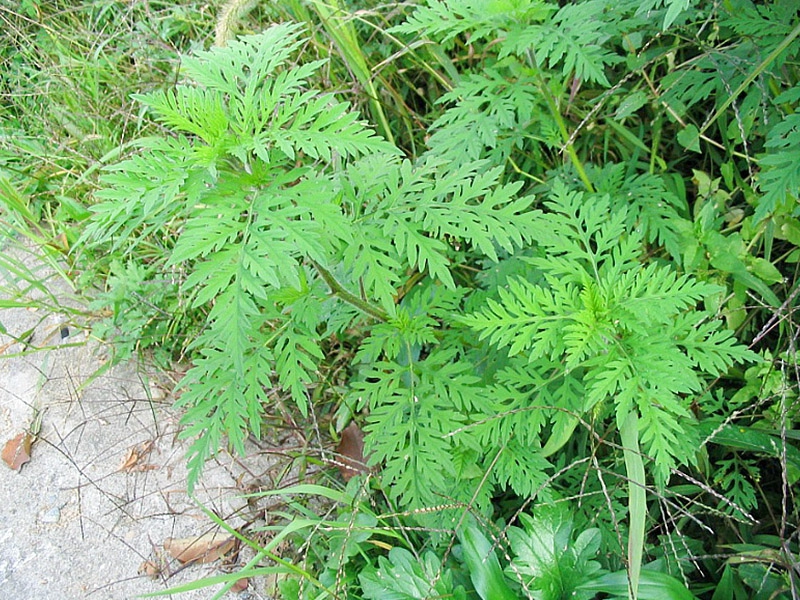
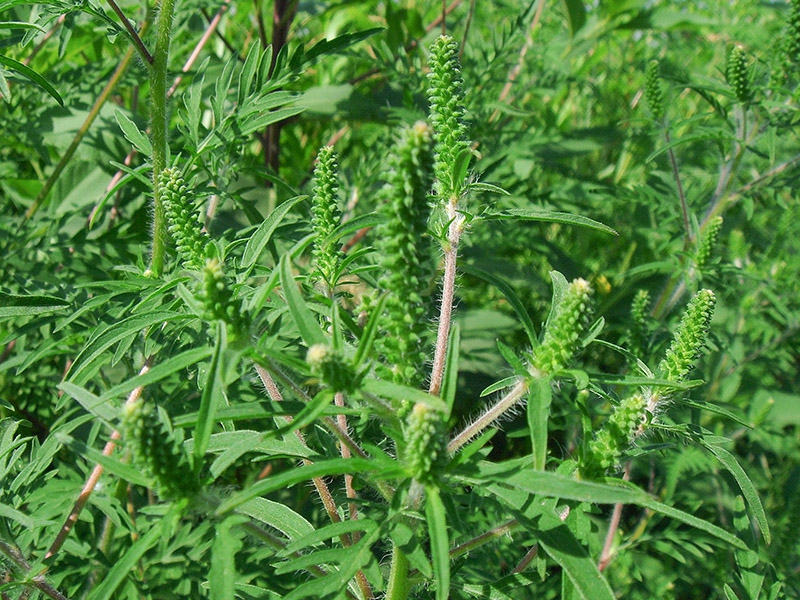
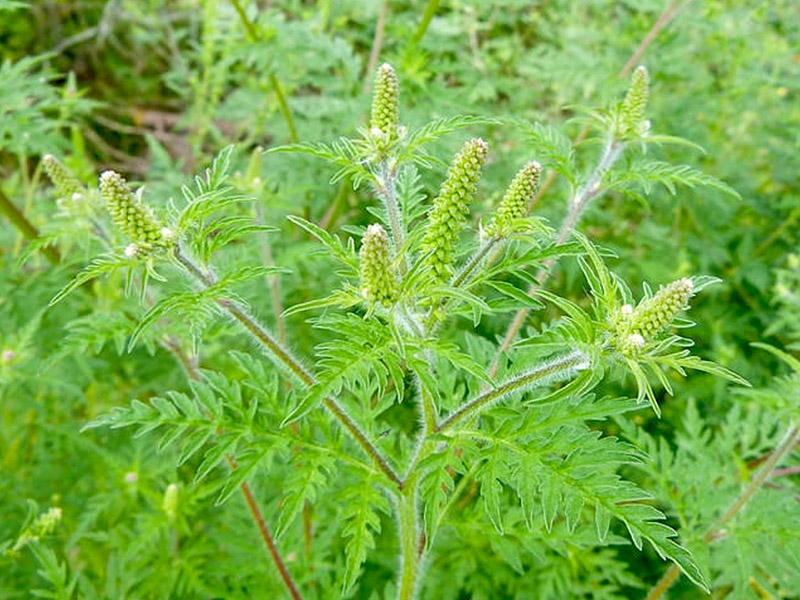
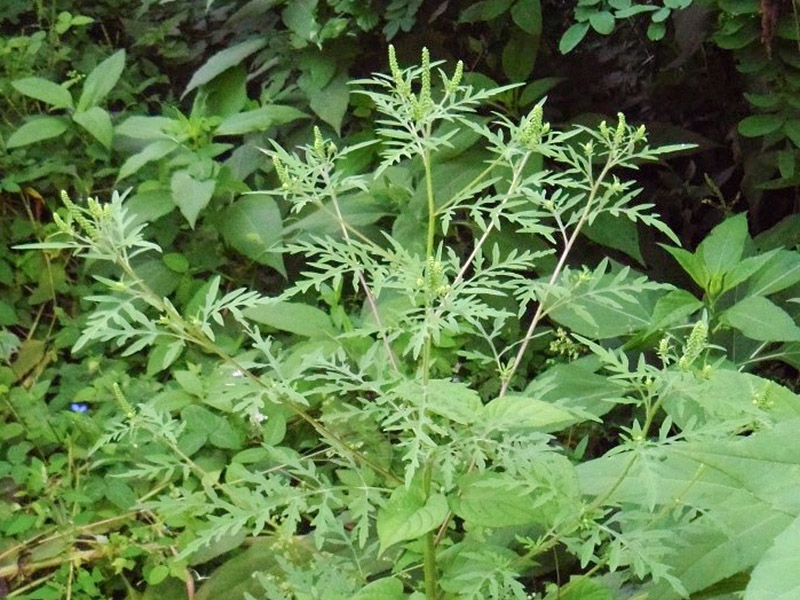
Ragweed (Ambrosia artemisiifolia) is an annual plant native to North America that has now naturalized and grows wild in various regions around the world. - Growth Characteristics: - It typically grows to a height of 30 to 150 cm, and its stems and leaves are rough and hairy. - The leaves are deeply pinnately divided and arranged alternately. - The flowers change from green to brown, bloom between August and October, and reproduce through pollination. - Propagation Methods: - It primarily reproduces by seeds. - Seeds that mature in the autumn fall into the soil and germinate the following spring. - It has a very strong reproductive capacity, as a single plant can produce thousands of seeds. - Cultivation Methods: - It is generally not cultivated in agriculture or gardens, but it can be artificially grown for ecological research. - When cultivating, it is recommended to select a location with well-drained soil and plenty of sunlight. - Use in the Garden: - It is generally not used as a garden plant. Rather, it is a target for removal as it can hinder the growth of other plants and produce allergens. - Major Pests and Control Methods: - It is relatively hardy, so serious pest problems are rare, but it may occasionally be attacked by aphids or certain insects. - Control methods include physical removal (pulling up by the roots), mowing, and the use of herbicides if necessary. - To reduce reproductive capacity, it is effective to remove it before the seeds mature. Ragweed requires management as it has a high potential to cause allergies and can disrupt the ecosystem. It is advisable to choose other, more beneficial plants for gardens.
Plant Type
Plant Family
Asteraceae
Height
1~2m
Spread
Colors
green
Bloom Period
August~September
Water Needs
commonly
Exposure
Sunny
Freezing Resistance
-30°C
Maple leaf pigweed
Ambrosia trifida
shadberry
Amelanchier asiatica