English
한국어
English
Español
中文
हिंदी
Home
News
Community
Dictionary
English
한국어
English
Español
中文
हिंदी
View list
shadberry
Amelanchier asiatica
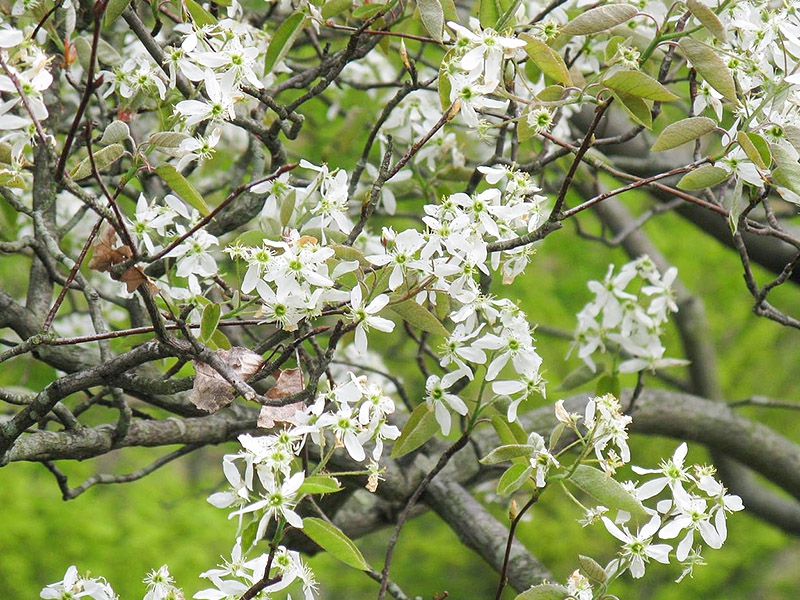
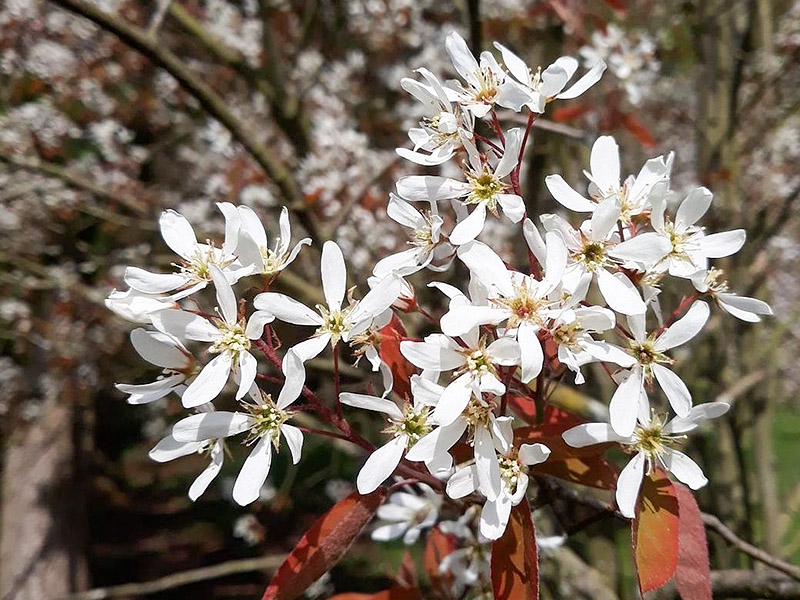
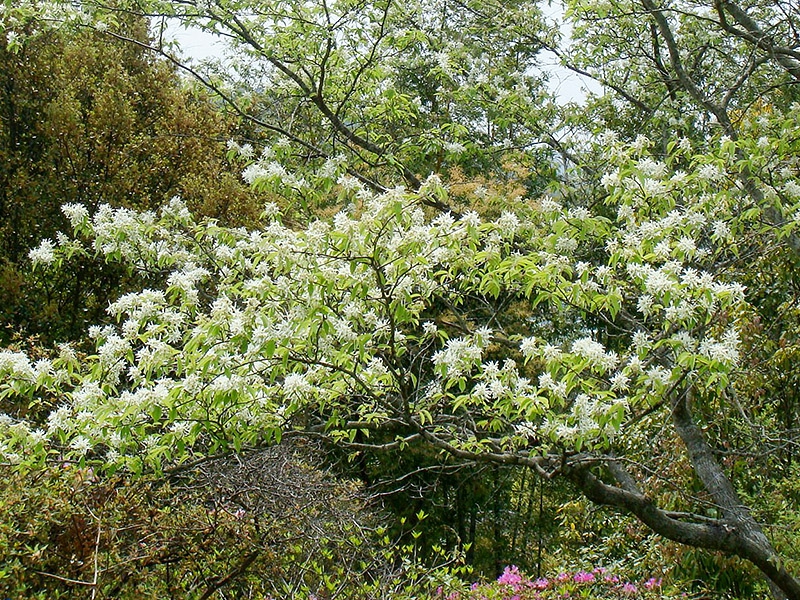
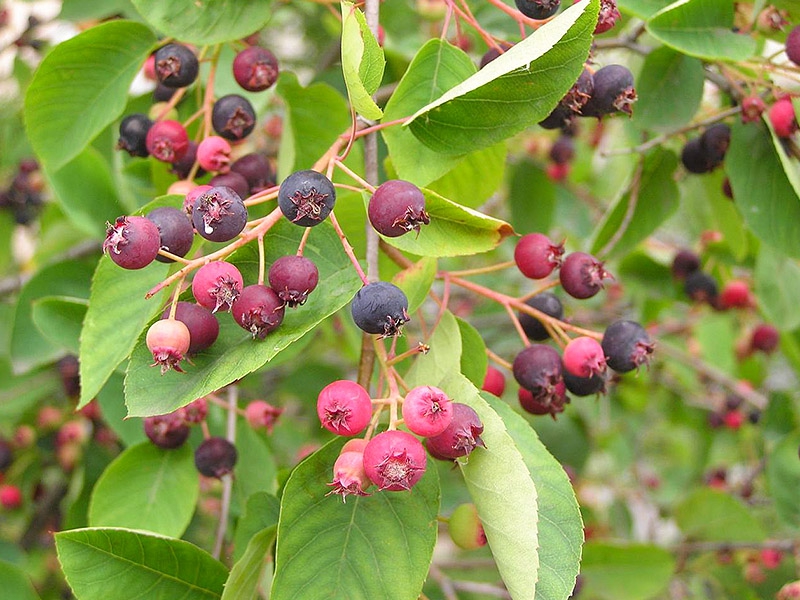
Amelanchier asiatica is a deciduous shrub belonging to the Rosaceae family, native primarily to East Asia, including Korea, Japan, and China. I will explain in detail its growth characteristics, cultivation and propagation methods, garden uses, and major pests and diseases, as well as control methods. Growth Characteristics - Growth Environment: It thrives in sunny locations but can also grow in partial shade. While it prefers well-drained soil, it adapts to a variety of soil conditions. - Height and Width: Mature trees typically grow up to 3 to 5 meters in height. - Leaves and Flowers: The leaves are oval-shaped, and the flowers bloom in white in the spring, possessing beautiful ornamental value. - Fruit: Small, dark red fruits develop in the summer and are edible. Propagation Methods - Seed Propagation: Seeds can be collected from mature fruits and sown. It is recommended to sow in the autumn or spring. - Cuttings: It can be propagated through semi-hardwood cuttings during the summer. - Grafting: It can be propagated through grafting with other closely related plants. Cultivation Methods - Planting: Before planting, till the soil deeply and prepare it by mixing in organic fertilizer. It is best to transplant in early spring or autumn. - Watering: Consistent watering is necessary during the early growing season, but the tree becomes relatively drought-resistant once it matures. - Fertilization: It is recommended to apply fertilizer before new shoots emerge in spring and during the summer. Uses in the Garden - Landscaping Tree: It is highly popular as a garden tree due to its beautiful flowers and fruit. - Edible and Medicinal Uses: The fruit can be used for jam, juice, etc., and also has some medicinal effects. Important Pests and Diseases and Control Methods - Diseases: Fungal diseases may occur on the leaves. If an outbreak occurs, remove the affected parts and use a fungicide if necessary. - Pests: Aphids and moths may appear. If found, it is recommended to use natural predators or eco-friendly insecticides. As such, the Chaejinmok Asiatica possesses various advantages and versatility, making it suitable as a garden tree, and it can be grown healthily through proper care and pest control.
Plant Type
Plant Family
Rosaceae
Height
10m
Spread
Colors
white
Bloom Period
April~May
Water Needs
commonly
Exposure
Sunny
Freezing Resistance
-30°C
Ragweed
Ambrosia artemisiifolia
Ddangchaejinmok
Amelanchier stolonifera