English
한국어
English
Español
中文
हिंदी
Home
News
Community
Dictionary
English
한국어
English
Español
中文
हिंदी
View list
Duck-leafed ginseng
Amelanchier alnifolia
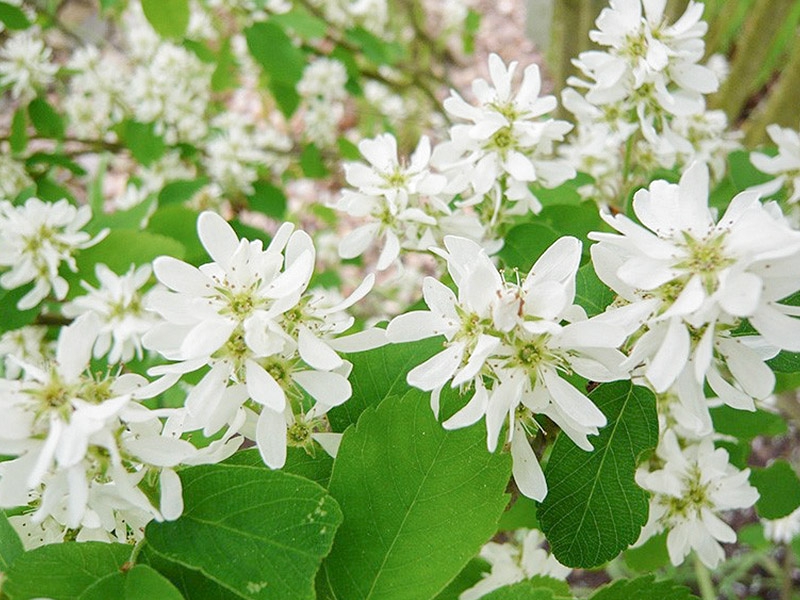
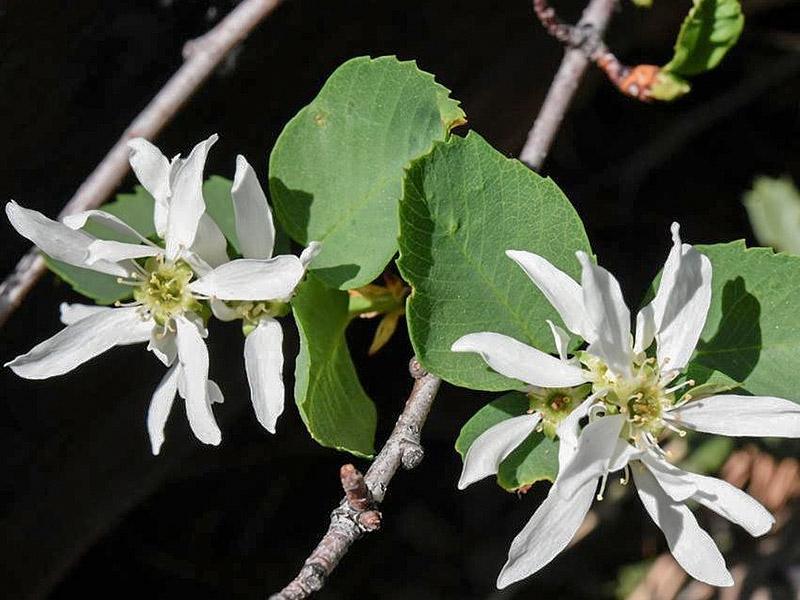
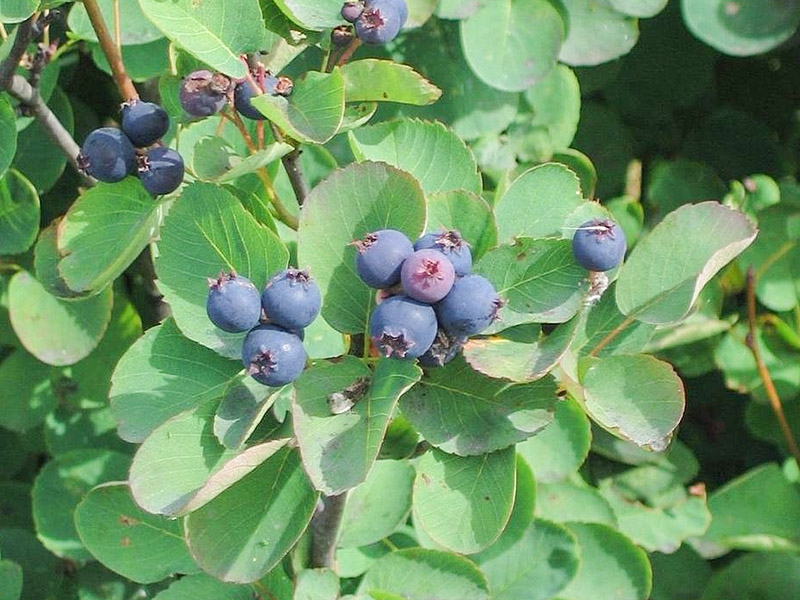
Amelanchier alnifolia is a plant native primarily to North America and is also used as a fruit tree. The following is information regarding the plant's growth characteristics, propagation methods, cultivation methods, garden uses, and major pests and diseases and control methods. Growth Characteristics - Environmental Requirements: Amelanchier alnifolia thrives in sunny locations and prefers well-drained soil. Slightly acidic to neutral soil pH is suitable. - Growth Rate: It grows relatively quickly and can reach a height of approximately 3–4 meters when mature. - Flowering and Fruiting: Flowers usually bloom in the spring, and fruit begins to ripen from early summer. The fruit is edible and is a favorite food for birds. Propagation Methods - Seed Propagation: It can be propagated using seeds. Seeds harvested in the autumn should be refrigerated during the winter and sown in the spring. 2. Propagation by Cuttings: You can attempt propagation by cuttings using semi-hardened branches during the summer. It is important to maintain humidity after planting. Cultivation Methods - Soil Preparation: Mix in plenty of compost or leaf mold before planting. - Watering: Water thoroughly in the early stages to maintain a favorable environment for growth. While it is somewhat tolerant of drought later on, additional watering is necessary during severe droughts. - Fertilization: It is recommended to apply fertilizer when new shoots emerge in the spring. Once the tree matures, additional fertilization may not be necessary. Uses in Gardens - Landscape Tree: The Japanese quince is popular as a garden tree due to its beautiful flowers and fruit. - Ecological Garden: The fruit is suitable as food for wildlife, contributing to the creation of an ecological garden. Important Pests and Control Methods - Diseases: There may be fungal diseases affecting the leaves; this can be prevented by regularly maintaining good ventilation. - Pests: You should be careful of small pests such as aphids. If necessary, you can use insecticides or control them using natural enemies. This concludes the information provided on Alnifolia. By referring to the points above when using this plant in your garden, you can manage it more healthily.
Plant Type
Plant Family
Rosaceae
Height
3~4.5m
Spread
3~4.5m
Colors
white
Bloom Period
April to August
Water Needs
commonly
Exposure
Sunny
Freezing Resistance
-40°C
Duck-leaved zelkova 'Regent'
Amelanchier alnifolia 'Regent'
Canadian Chae Jin-mok
Amelanchier canadensis