English
한국어
English
Español
中文
हिंदी
Home
News
Community
Dictionary
English
한국어
English
Español
中文
हिंदी
View list
American flower meaning
Amsinckia lycopsoides
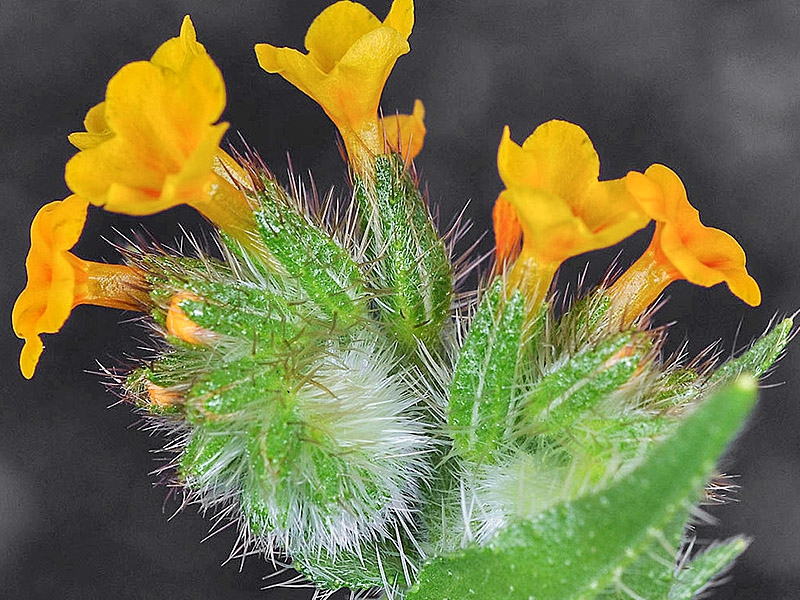
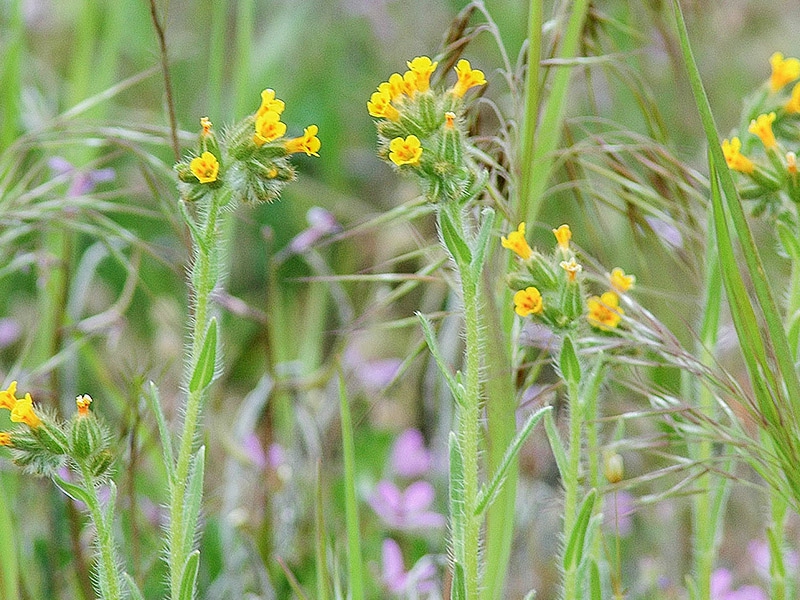
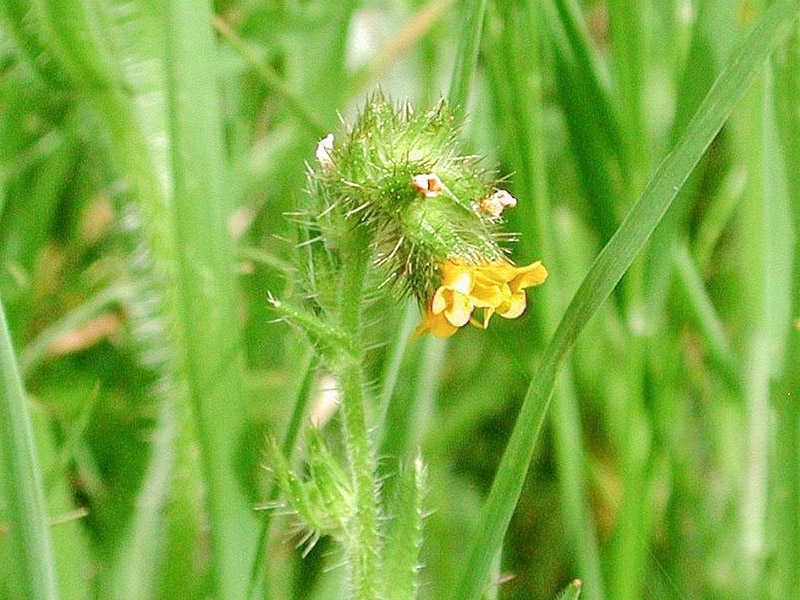
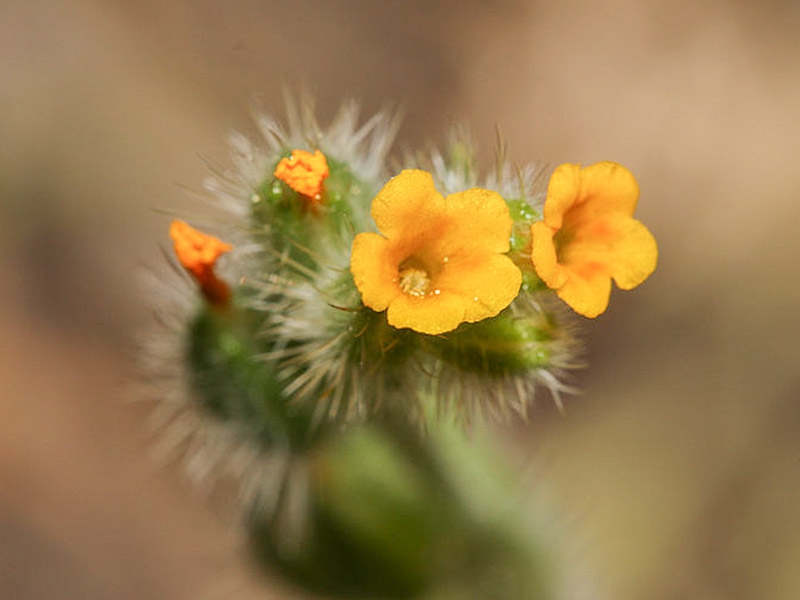
Amsinckia lycopsoides is an annual herbaceous plant native to North America that grows primarily in arid regions. In the United States, it is also well known by the name "Fiddleneck." Let's examine the plant's growth characteristics, propagation methods, cultivation techniques, garden uses, and major pests and diseases, as well as control methods. Growth Characteristics - Habitat: It prefers dry and sunny areas. - Size: Mature plants typically grow to about 30–60 cm in height. - Leaves and Flowers: The leaves are long and oval-shaped and grow along the periphery of the stem. The flowers display a variety of colors ranging from golden yellow to orange and bloom in spike-like clusters. Propagation Methods - Seeds: Amsinckia lycopsoides is primarily propagated by seeds, which germinate in the spring. - Sowing: It is best to sow seeds directly into the ground towards the end of winter or in early spring. Cultivation Methods - Soil: It thrives in well-drained soil. Soil fertility does not have a significant impact. - Watering: Since it prefers dry conditions, overwatering should be avoided. - Sunlight: It thrives in full sun and can tolerate partial shade. Garden Use - Aesthetics: Lycopsoides is excellent for garden decoration due to its exotic flowers. - Natural Gardens: Suitable for naturalized gardens or meadow-style gardens. Important Pests and Control Methods - Diseases: There are no particularly serious pests, but root rot may occur if the soil is overwatered. - Pests: Although rare, aphids or snails may infest the plant. - Control Methods: Create a well-ventilated environment, and if problems arise, organic insecticides can be used. Lycopsoides is a relatively easy-to-care-for plant that grows well in suitable conditions and can add natural beauty to your garden.
Plant Type
Plant Family
Dental clinic
Height
30~60cm
Spread
Colors
yellow
Bloom Period
June–July
Water Needs
commonly
Exposure
Sunny
Freezing Resistance
-10°C
New beans
Amphicarpaea bracteata subsp. edgeworthii
clove
Amsonia elliptica