English
한국어
English
Español
中文
हिंदी
Home
News
Community
Dictionary
English
한국어
English
Español
中文
हिंदी
View list
wild citron tree
Xylosma congesta
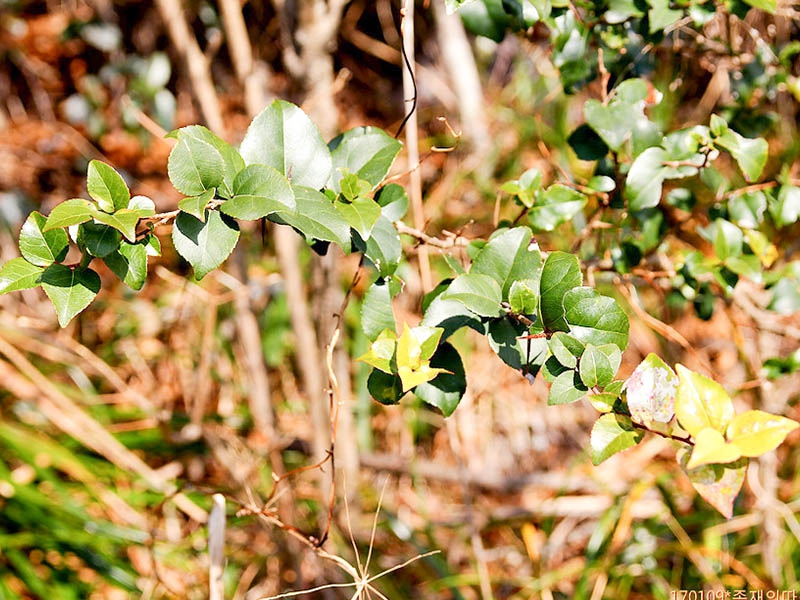
Xylosma japonica is a plant native to East Asia, including Korea, Japan, and China. The following is information regarding the growth characteristics, propagation methods, cultivation methods, garden uses, and major pests and diseases, as well as control methods. Growth Characteristics - Environment: Xylosma japonica thrives in sunny locations but can tolerate some shade. It prefers well-drained soil and has mild drought tolerance. - Size: It typically grows to a height of 3 to 5 meters, though rarely it can reach up to 7 meters. - Leaves: The leaves are oval or egg-shaped with wavy margins. They are glossy and dark green. - Flowers and Fruit: Small yellowish-green flowers bloom in the spring, and red fruit is produced in the autumn. Propagation Methods - Seed Propagation: Seeds are collected from mature fruit in the autumn and planted immediately, or dried and stored for sowing the following spring. - Cuttings: You can propagate the plant by cutting branches during the summer. If you cut a healthy branch 10–15 cm in length and plant it, it can take root. Cultivation Methods - Planting: It is important to plant in well-drained soil and position the plant in a location with good drainage. Water thoroughly during the initial stages, and once the plant has grown well, it can rely on natural precipitation. - Fertilization: Apply a moderate amount of slow-release fertilizer in the spring during the growing season, and provide additional fertilizer in the summer and autumn if necessary. - Pruning: Prune branches as needed to shape the plant and ensure good ventilation. Uses in the Garden - Hedges: Korean citrus trees are suitable for use as hedges. When planted densely, they are advantageous for windbreaks and privacy protection. - Ornamental Planting: The smooth leaves and red berries make them suitable for ornamental purposes. Major Pests and Diseases and Control Methods - Pests and Diseases: While the Korean citrus tree is relatively resistant to pests and diseases, it may occasionally suffer damage from aphids or scale insects. - Control Methods: - Aphids: Remove them using acaricides or soapy water. - Scale Insects: Physically remove them upon early detection or use organic insecticides. - Prevention: Pests and diseases can be prevented by managing moisture through proper pruning and ventilation. The Korean citrus tree is relatively easy to care for and is valuable for both ornamental and practical purposes. As it can be utilized in various ways in the garden, it can be grown healthily with proper care.
Plant Type
Plant Family
Willow family
Height
2.4~3m
Spread
2.4~4.5m
Colors
green
Bloom Period
March to August
Water Needs
commonly
Exposure
Sunny
Freezing Resistance
-10°C
Xerophyllum tenax
Xerophyllum tenax
Godeulppaegi
Crepidiastrum sonchifolium