English
한국어
English
Español
中文
हिंदी
Home
News
Community
Dictionary
English
한국어
English
Español
中文
हिंदी
View list
Three-flower
Anemone stolonifera
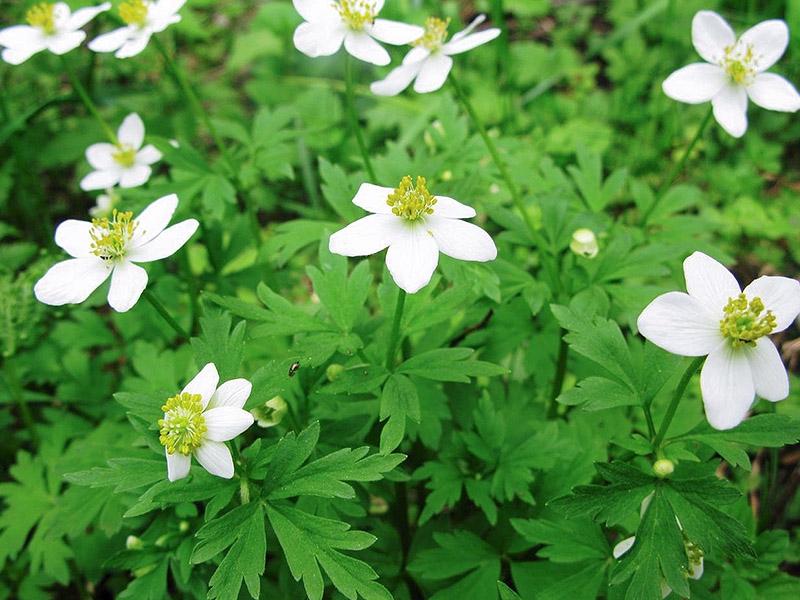
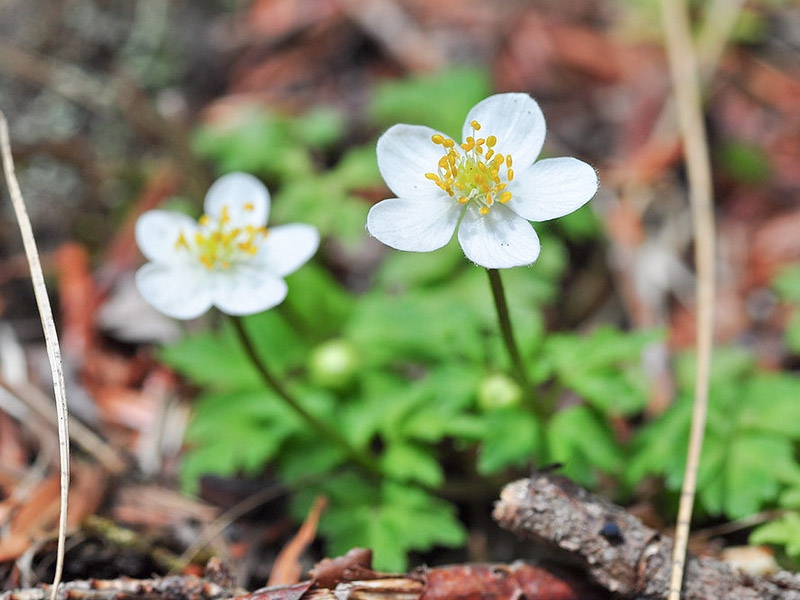
I will explain the growth characteristics, propagation methods, cultivation methods, garden uses, and major pests and diseases and control methods of Anemone stolonifera. Growth Characteristics Anemone stolonifera is a perennial herb native mainly to temperate regions of the Northern Hemisphere. This plant thrives in relatively cool and humid environments and prefers locations that receive adequate sunlight in partial shade. It blooms in the spring and is characterized by white or pink flowers. Propagation Methods Anemone stolonifera can be propagated primarily through root division and seed sowing. Root division is usually performed in spring or autumn, where mature plants are carefully divided and transplanted. For seed sowing, seeds are collected after flowering and sown immediately, or stored in the refrigerator and sown in early spring. Cultivation Methods - Soil Preparation: Well-drained soil is suitable. It is recommended that the soil be rich in organic matter and maintain a pH of slightly acidic to neutral. 2. Planting: Before planting, water thoroughly to moisten the soil, then plant at intervals of 20–30 cm. - Watering: Be careful not to let the soil dry out, and provide sufficient water during the growing season. - Fertilization: Apply general garden fertilizer in spring and autumn to provide nutrients. - Care: Once growth is complete, trim dry leaves and stems to keep the plant tidy. Garden Uses The Korean anemone (Anemone nemorosa) fits well in various garden environments. It is suitable for creating a natural atmosphere or adding color to shady areas. Due to its vining nature, it can also be used in rock gardens or as a boundary plant. Important Pests and Control Methods - Diseases: It may be susceptible to fungal diseases in humid environments. To prevent disease, ensure good ventilation, and use an appropriate fungicide if it occurs. - Pests: Damage may be caused by aphids or moths. Upon early detection, physically remove them or use insecticides as necessary. As a precaution, it is recommended to adhere to the appropriate usage amount when using chemical agents and to prioritize eco-friendly pest control methods.
Plant Type
Plant Family
Ranunculaceae
Height
10~30cm
Spread
Colors
white
Bloom Period
May~June
Water Needs
commonly
Exposure
semi-shaded area
Freezing Resistance
-5°C
Jimo
Anemarrhena asphodeloides
Twin anemones
Anemone rossii