English
한국어
English
Español
中文
हिंदी
Home
News
Community
Dictionary
English
한국어
English
Español
中文
हिंदी
View list
Southern anemone
Anemone flaccida
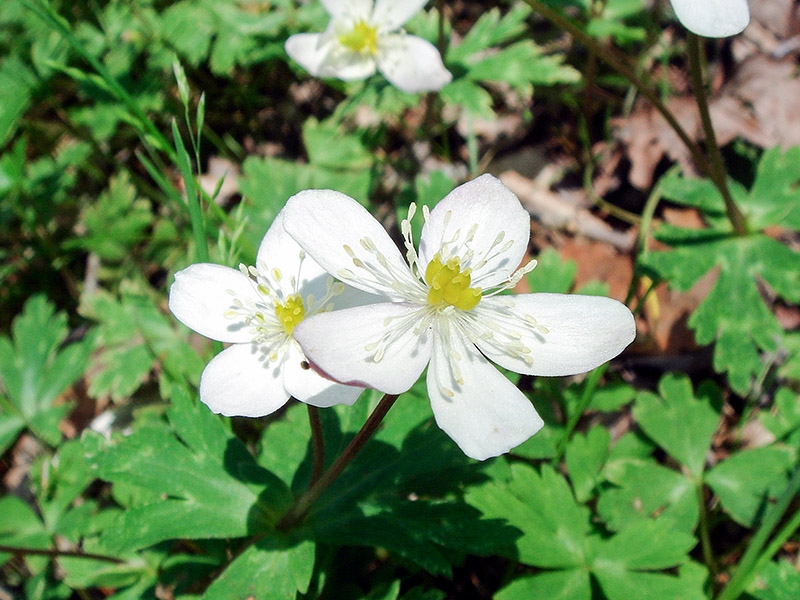
Anemone flaccida has the following growth characteristics, propagation methods, cultivation methods, garden uses, and major pests and diseases and control methods. Growth Characteristics Anemone flaccida thrives primarily in moist forests or shady areas and blooms in early spring. The flowers are mostly white and small, often forming colonies. This plant is slightly cold-hardy and grows well in full or partial shade in flowerbeds. Propagation Methods Anemone flaccida is mainly propagated by seeds or root division. Propagation by seeds can be done naturally or artificially. Root division is usually performed in spring or autumn, and it is best done when the plant's growth has stopped. Cultivation Methods This plant grows well in well-drained soil and prefers acidic to neutral soil conditions. When planting, it is best to choose a location with some shade. It requires regular watering to prevent the soil from drying out, and proper nutrient supply through organic fertilizers is necessary. Use in the Garden Panax platycea is suitable for shaded or forest gardens and is highly effective in creating a natural atmosphere. In particular, it adds color in the spring, playing a role in brightening up dark areas of the garden. Important Pests and Control Methods Panax platycea is generally resistant to pests and diseases, but it can occasionally be damaged by aphids, snails, or slugs. For aphids, using soapy water or commercial insecticides is effective, while snails and slugs can be removed using hand picks or control agents such as methyldehydride. Additionally, it is important to prevent fungal diseases by taking care to avoid overwatering.
Plant Type
Plant Family
Ranunculaceae
Height
20cm
Spread
Colors
white
Bloom Period
April~May
Water Needs
commonly
Exposure
Sunny
Freezing Resistance
-10°C
Objectification
Eriocapitella hupehensis
Windflower
Anemone dichotoma