English
한국어
English
Español
中文
हिंदी
Home
News
Community
Dictionary
English
한국어
English
Español
中文
हिंदी
View list
Seaside Angelica
Angelica japonica
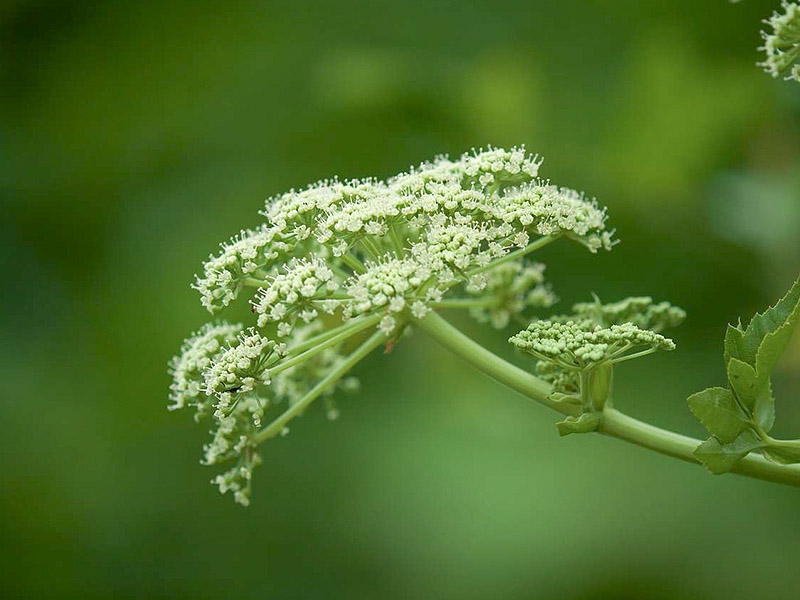
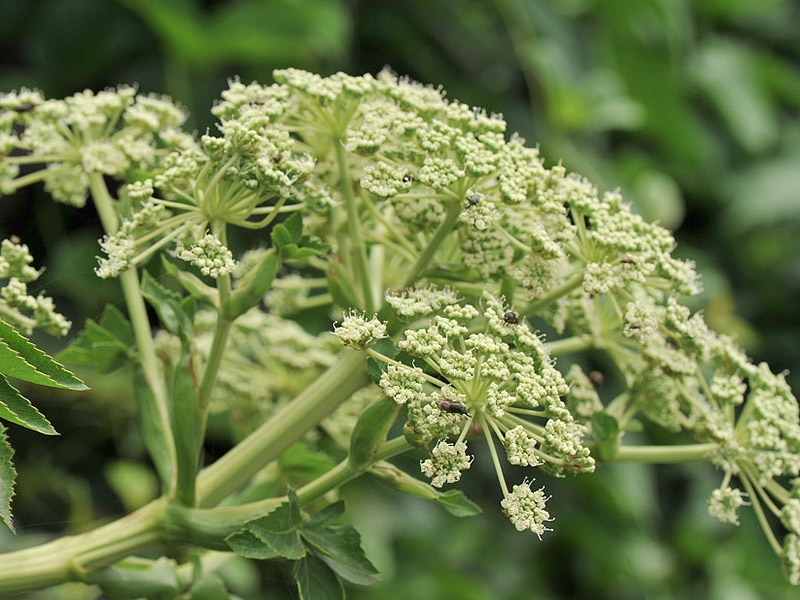
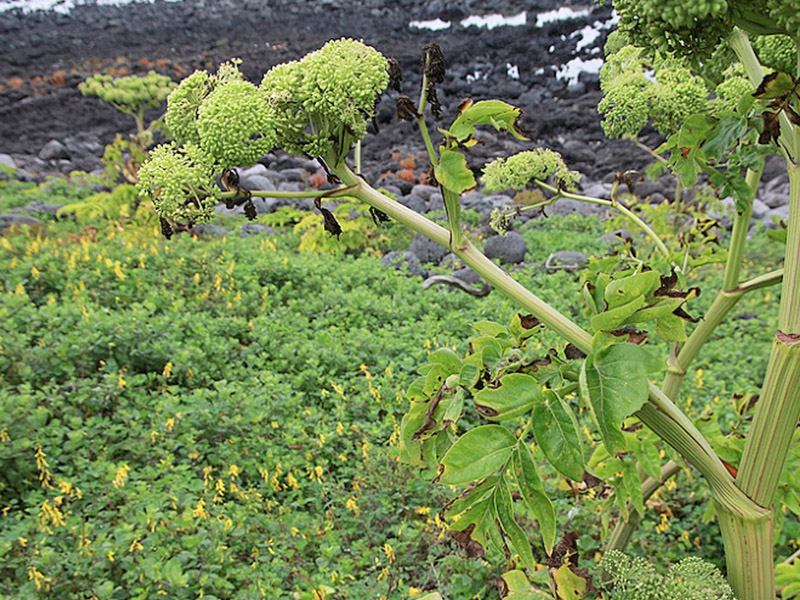
Angelica japonica is a native Korean plant frequently found in coastal areas. The following covers the growth characteristics, propagation methods, cultivation methods, garden uses, and major pests and control methods of Angelica japonica. Growth Characteristics Angelica japonica is a perennial plant that thrives primarily in sandy soil along the coast. It requires high humidity and abundant sunlight and is resistant to salinity. It typically grows to a height of 50 cm to 1 m, and flowers bloom from spring through summer. The flowers are small, white or light green, and arranged in an umbrella shape. Propagation Methods Propagation is primarily done via seeds. Seeds can be harvested in spring and autumn and planted immediately, or stored in a dry, cool place and planted the following spring. The germination rate of the seeds is relatively high, so they germinate well without special treatment. Cultivation Methods - Soil: It is important to select well-drained soil. It grows well in sand or good quality soil. - Sunlight: Choose a sunny location, but it can tolerate partial shade. - Watering: Avoid overwatering; water only when the surface is dry. It is best to maintain a humid environment. - Fertilizer: It can grow without special fertilizer, but organic fertilizer can be applied to promote growth during the early stages. Uses in the Garden Aster yaponicus is popular as an ornamental plant due to its unique appearance and strong vitality. It thrives in coastal gardens or windy locations, making it suitable as a landscaping plant in such environments. Important Pests and Control Methods - Pests and Diseases: While Aster yaponicus is resistant to common pests and diseases, it can develop soft leaves or contract mold or rot due to excessive moisture. - Control Methods: - Watering Regulation: Avoid overwatering and maintain sufficient spacing between plants to ensure good ventilation. - Regular Inspection: Regularly inspect the plants and promptly remove any early signs of disease or pests. - Organic Insecticides: You can prevent pest infestations by using eco-friendly insecticides. Yaponica is a relatively easy-to-care-for plant that adapts well to natural environments, making it suitable for beginners.
Plant Type
Plant Family
Apiaceae
Height
50~100cm
Spread
Colors
white
Bloom Period
July~August
Water Needs
commonly
Exposure
semi-shaded area
Freezing Resistance
-15°C
Gunggungi
Angelica polymorpha
Samsuguritdae
Angelica jaluana