English
한국어
English
Español
中文
हिंदी
Home
News
Community
Dictionary
English
한국어
English
Español
中文
हिंदी
View list
frog's-eye
Angelica anomala
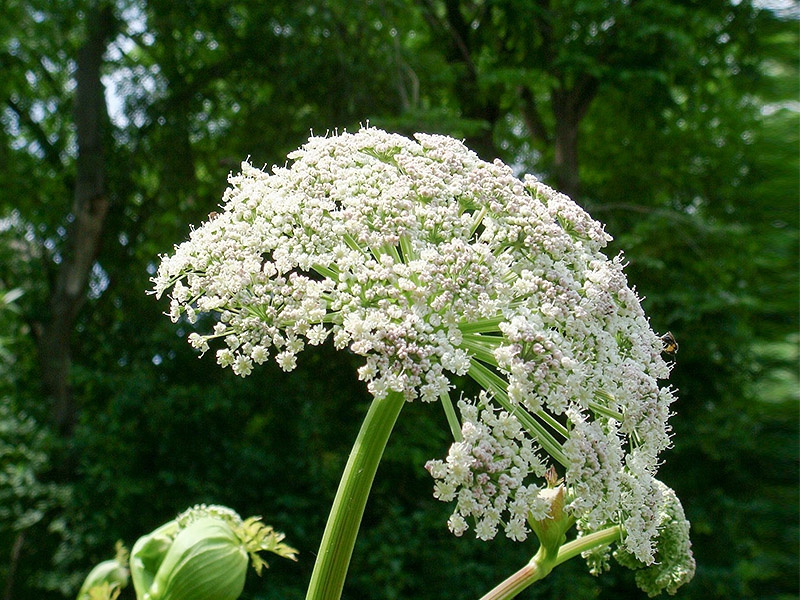
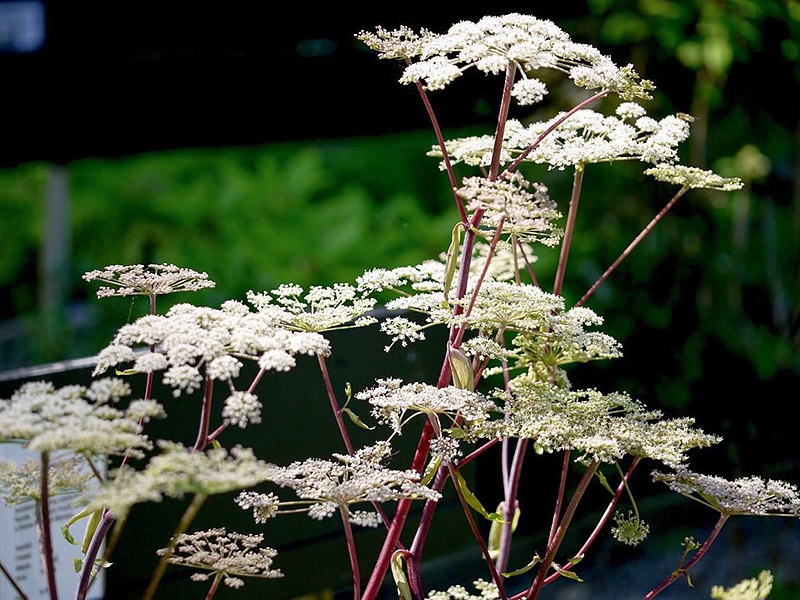
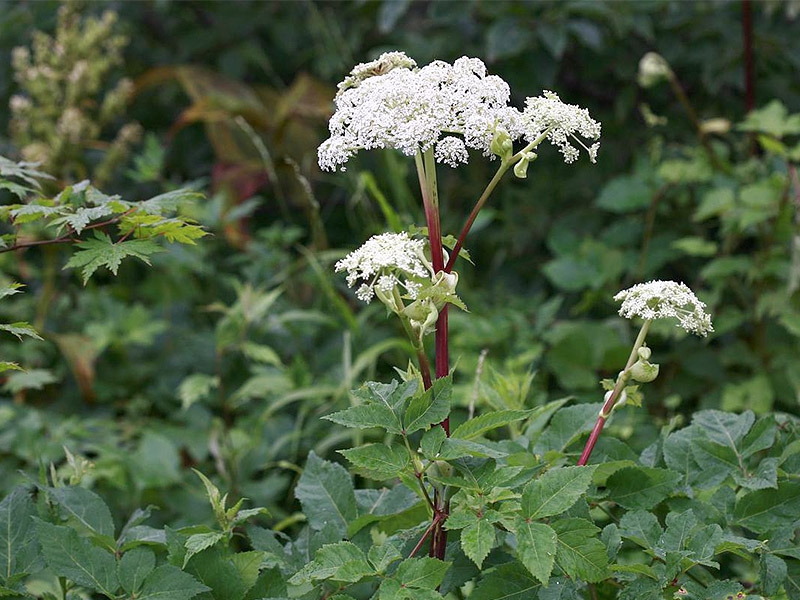
Angelica anomala is a plant native to Korea, China, Russia, and other regions, and thrives primarily in humid environments. The following is information regarding the growth characteristics, propagation methods, cultivation methods, garden uses, and major pests and diseases, as well as control methods for Angelica anomala. Growth Characteristics - Environment: It grows well in moist soil and can also grow in partial shade or full sun. - Soil: It prefers fertile, well-drained soil. - Climate: It thrives in cool climate conditions; growth may be difficult in hot environments. Propagation Methods - Seed Propagation: Collect mature seeds in the autumn and sow them in the spring. It is recommended to refrigerate the seeds before sowing to increase the germination rate. - Root Division: The roots of mature plants can be divided for propagation. It is best to transplant them in the spring or autumn. Cultivation Methods - Planting: Plant in the spring or autumn, maintaining sufficient distance between plants to ensure good ventilation. - Watering: Consistent watering is required; provide ample water, especially during the hot summer months. - Fertilization: Applying organic fertilizer in the spring promotes growth. Uses in the Garden- Anomala can be used for shaded walkways, garden borders, or as a standalone plant. - As a tall plant, it is suitable for back gardens or as a background plant. Important Pests and Control Methods - Diseases: Soft rot, which causes leaves to turn yellow, may occur. Remove infected leaves immediately and ensure good ventilation. - Pests: Pests such as aphids may occur. Control them using soapy water or organic insecticides. - Prevention: Regular soil testing and hygienic maintenance are important. Additionally, removing surrounding weeds prevents pests from infesting the area. With efficient management, Anomala can be effectively utilized in various garden styles. Providing a suitable environment and performing regular inspections and maintenance are necessary to maintain healthy growth.
Plant Type
Plant Family
Apiaceae
Height
1~2m
Spread
Colors
white
Bloom Period
August
Water Needs
commonly
Exposure
semi-shaded area
Freezing Resistance
-15°C
copper
Angelica dahurica
Japanese Angelica
Angelica acutiloba