English
한국어
English
Español
中文
हिंदी
Home
News
Community
Dictionary
English
한국어
English
Español
中文
हिंदी
View list
Shingamchae
Ostericum grosseserratum
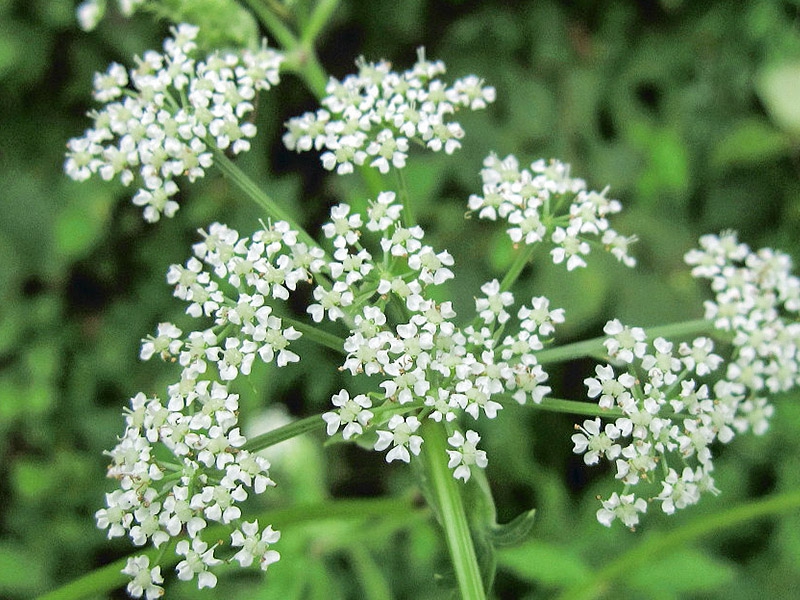
Ostericum grosseserratum is a plant native to Asia, including Korea, and thrives primarily in wetlands or mountainous areas. The following is information regarding the growth characteristics, propagation methods, cultivation methods, garden uses, and major pests and diseases, as well as control methods. Growth Characteristics - Environmental Conditions: Ostericum grosseserratum grows well in moist, well-drained soil. While it can grow in partially shaded areas, it thrives better in sunny locations. - Height: It can generally grow up to 1 to 2 meters when mature. - Leaves and Flowers: The leaves are dark green and have a compound leaf structure. It blooms with small white flowers during the transition from summer to autumn. Propagation Methods - Seed Propagation: This is the most common method of propagation. Mature seeds are harvested and planted immediately or sown the following spring. Seeds can be cold-treated during the winter to increase germination rates. - Root Division: The plant can be propagated by dividing the roots of mature plants in spring or autumn. Cultivation Method - Soil Preparation: Well-drained, fertile soil is required. Soil quality can be improved by adding organic matter and compost. - Planting: Plant at intervals of 30–50 cm and water thoroughly after planting. - Care: Regular watering is necessary, and nutrients can be supplemented using liquid fertilizer, primarily during the growing season. Uses in the Garden - Singamchae is suitable for creating a natural and wild atmosphere in the garden. Its tall stature and beautiful flowers make it excellent for use as a background plant. Important Pests and Control Methods - Pests and Diseases: While generally resistant to pests, it may be susceptible to damage from pests such as leaf beetles. - Control Methods: It is effective to physically remove pests at the early stages of infestation or use natural insecticides by periodically inspecting the plant's condition. Appropriate chemical insecticides can be used if necessary. Singamchae is a plant with high ecological and aesthetic value, making it highly useful for gardens. It can be grown healthily with proper care suited to the environment.
Plant Type
Plant Family
Apiaceae
Height
80~120cm
Spread
Colors
white
Bloom Period
July~August
Water Needs
commonly
Exposure
semi-shaded area
Freezing Resistance
-5°C
Angelica pubescens f. vicerata
Angelica pubescens f. biserrata
Why Cheongung
Angelica genuflexa