English
한국어
English
Español
中文
हिंदी
Home
News
Community
Dictionary
English
한국어
English
Español
中文
हिंदी
View list
Mansuguk Ajebi
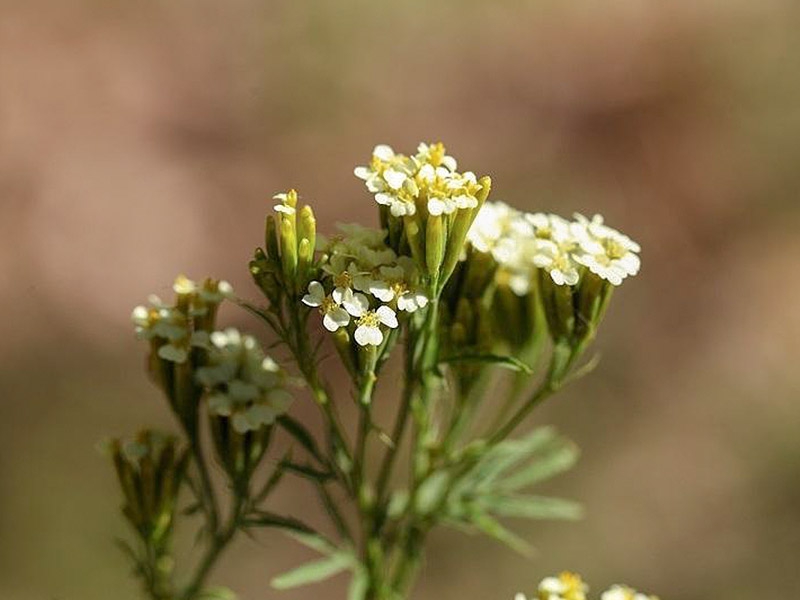
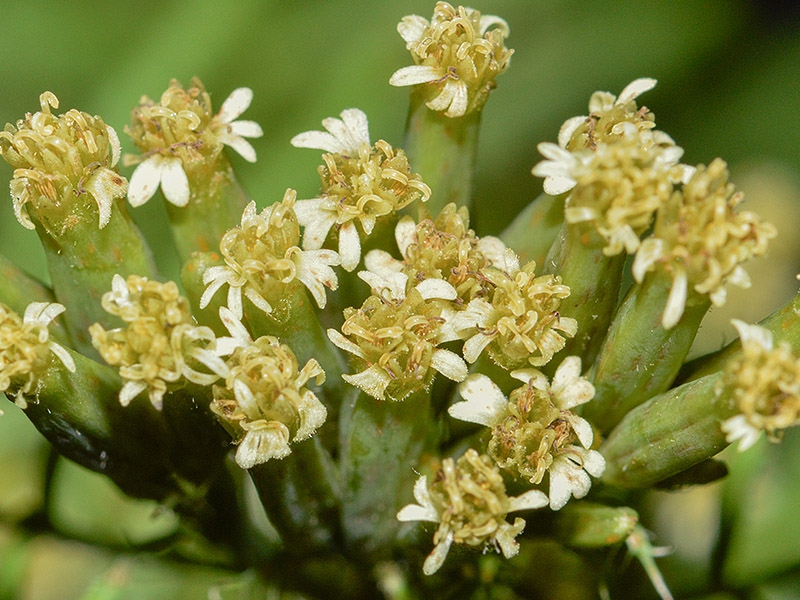
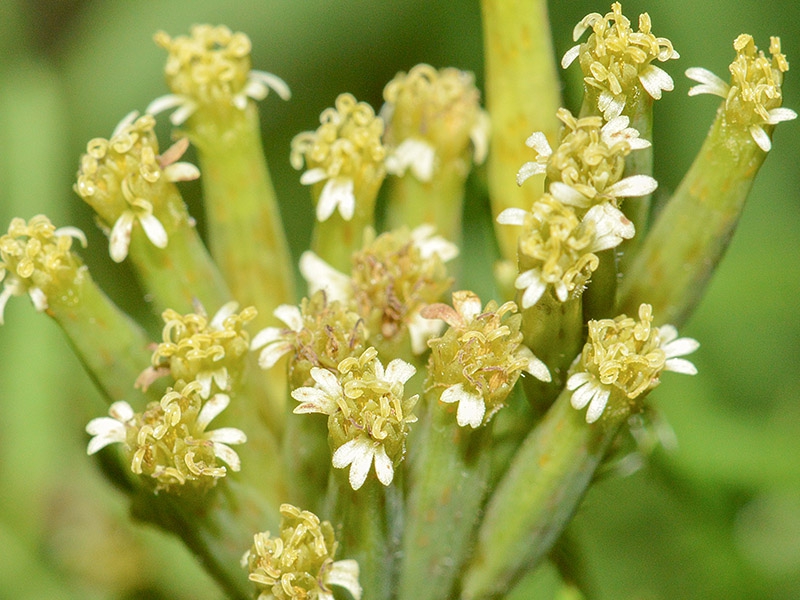
Tagetes minuta
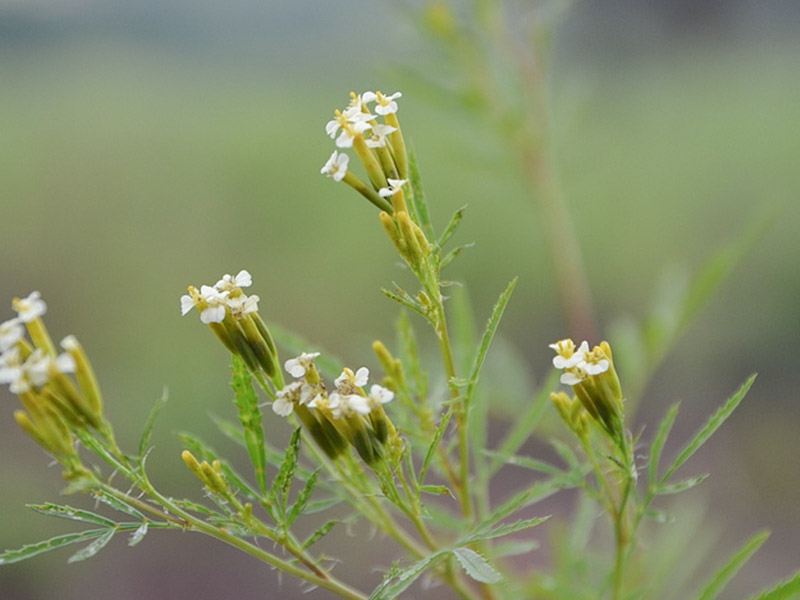
Growth Characteristics Tagetes minuta is an annual plant belonging to the Asteraceae family, growing to a height of 0.5m to 2m. It is primarily native to South America and prefers warm, humid climates. Its leaves are lobed and possess a distinctive fragrance. Propagation Methods This plant is mainly propagated by seeds. Seeds can be sown directly in the spring or germinated indoors before transplanting. Germination occurs within 10 to 14 days of sowing, and maintaining a temperature of 20–25°C is recommended to increase the germination rate. Cultivation Methods Tagetes minuta prefers well-drained soil and grows best in full sunlight. It can grow in some shade, but growth may be slower. Avoid overwatering and pay attention to drainage to prevent the plant from remaining wet for too long. Provide additional fertilizer as needed. Use in the Garden Thanks to its distinctive fragrance and showy appearance, the Japanese marigold is used as a decorative plant in gardens and helps repel pests. When planted alongside other crops, it is effective in suppressing pests, thereby serving to protect flowering plants and vegetables. Important Pests and Control Methods While the Japanese marigold is relatively resistant to pests and diseases, the following issues may occur: - Diseases: Root rot can occur due to excessive moisture, so it is important to pay attention to drainage. - Pests: Aphids or scale insects may appear; to prevent this, inspect the leaves regularly and remove them using soapy water or pesticides if necessary. With proper care and management, it can promote healthy growth and is a plant that provides useful functions to the garden.
Plant Type
Plant Family
Asteraceae
Height
20~80cm
Spread
Colors
yellow
Bloom Period
July to October
Water Needs
commonly
Exposure
Sunny
Freezing Resistance
-5°C
Marigold
Tagetes patula
Marshland
Tagetes erecta