English
한국어
English
Español
中文
हिंदी
Home
News
Community
Dictionary
English
한국어
English
Español
中文
हिंदी
View list
Dog flower uncle
Anthemis cotula
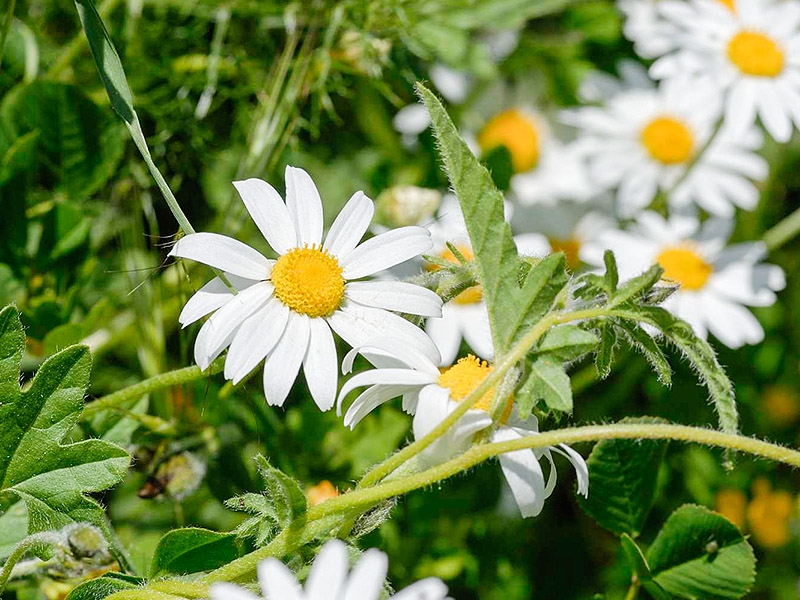
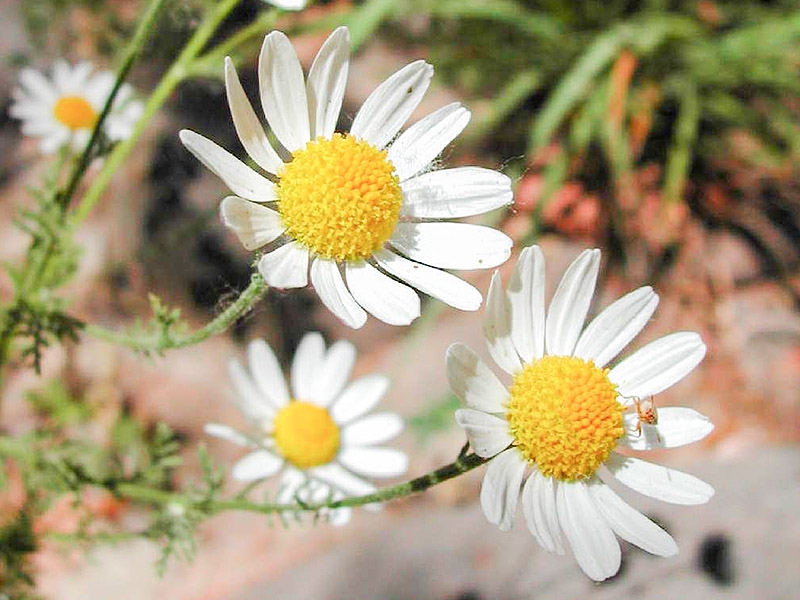
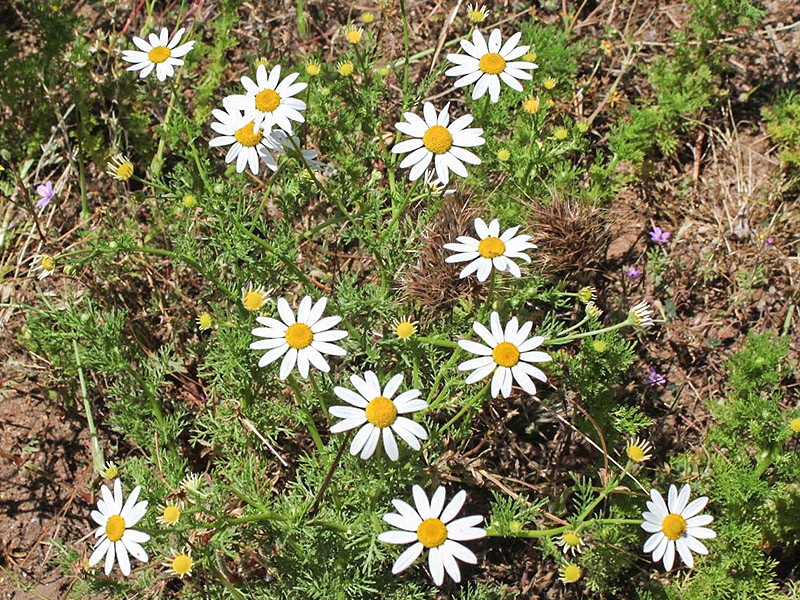
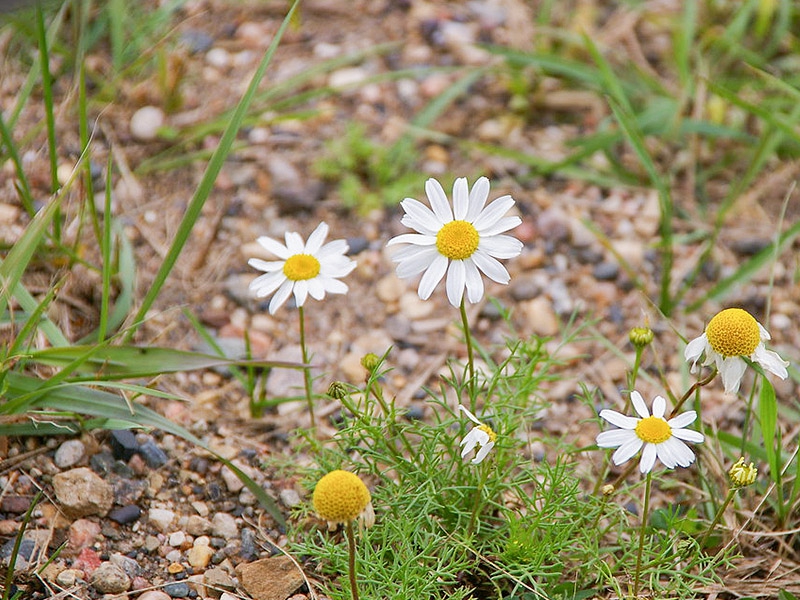
Anthemis cotula (scientific name: Anthemis cotula) is an annual herbaceous plant belonging to the Asteraceae family. The following are the main characteristics and care methods for this plant. Growth Characteristics - Appearance: Anthemis cotula grows up to approximately 60 cm in height, and its leaves are deeply lobed like feathers. The flowers feature a yellow center surrounded by white petals that resemble a corolla. - Habitat: It is native mainly to Europe and thrives in sunny locations. - Growing Conditions: It grows well in neutral to slightly acidic, well-drained soil. While it prefers sunlight, it can tolerate some shade. Propagation Methods - Seeds: Propagation by seeds is common. Sow directly on the soil in spring or autumn. - Germination: Seeds usually germinate within two weeks. Cultivation Methods - Watering: Water moderately, but it is important to avoid overwatering. - Soil Management: Use soil with good drainage and aeration; if necessary, mix in sandy loam to improve drainage. Uses in the Garden - Landscape: The Japanese knotweed brightens up the garden landscape thanks to its beautiful flowers. It blends harmoniously when planted alongside other wildflowers. - Insect Repellent Effect: It is useful in the garden as it repels certain pests. Important Pests and Control Methods - Pests and Diseases: Although relatively resistant to pests, it is sensitive to humidity and may contract fungal diseases due to excessive moisture. - Control Methods: Ensure adequate space for ventilation and use fungicides as a preventive measure if necessary. If pests appear, eliminate them using soapy water or natural insecticides. The Japanese knotweed is a relatively easy-to-care-for plant, making it excellent for decorating the garden. It can grow healthily if general care guidelines are followed.
Plant Type
Plant Family
Asteraceae
Height
20~40cm
Spread
Colors
white
Bloom Period
June to August
Water Needs
commonly
Exposure
semi-shaded area
Freezing Resistance
-15°C
Golden Margaret Tinctoria
Anthemis tinctoria
Roadside dogwood
Anthemis arvensis