English
한국어
English
Español
中文
हिंदी
Home
News
Community
Dictionary
English
한국어
English
Español
中文
हिंदी
View list
Digestive satellite
Tamarix parbiflora
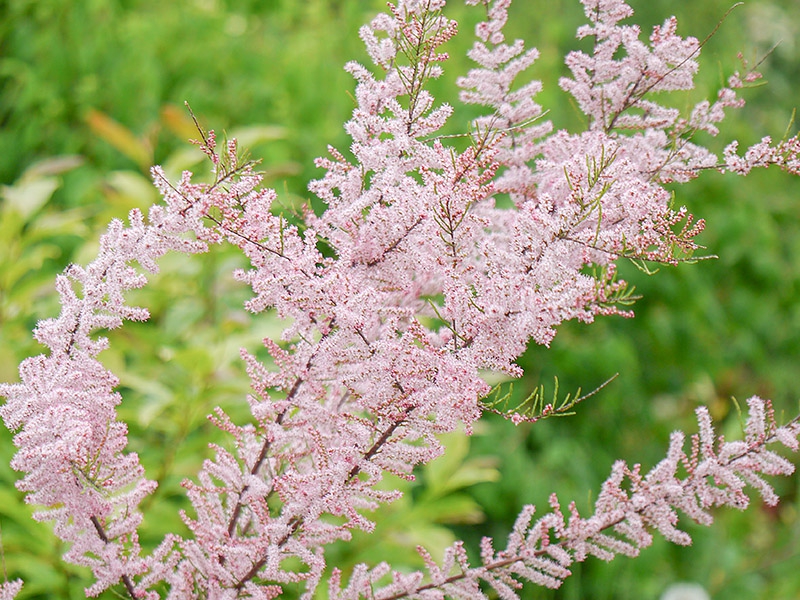
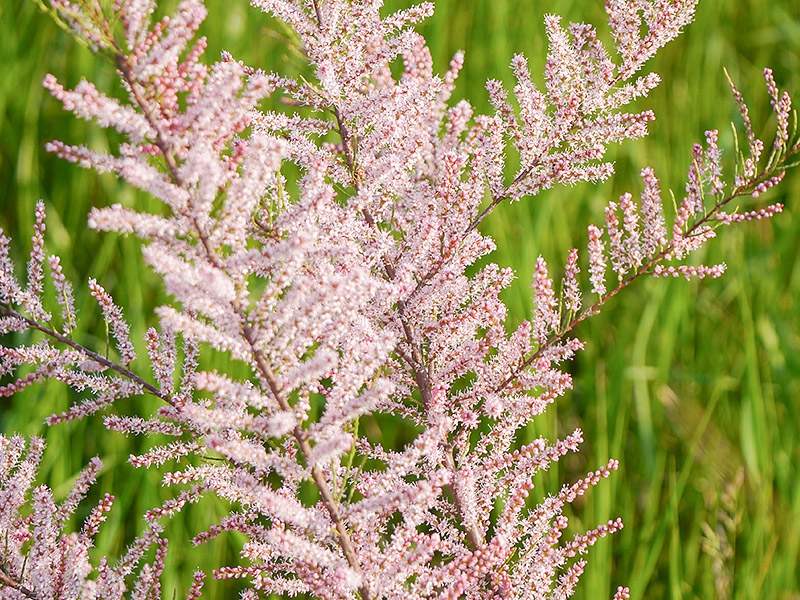
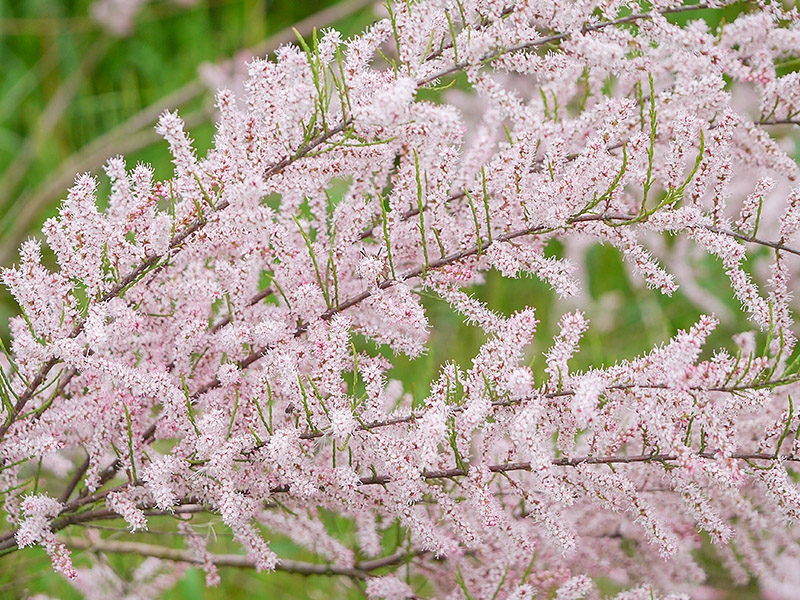
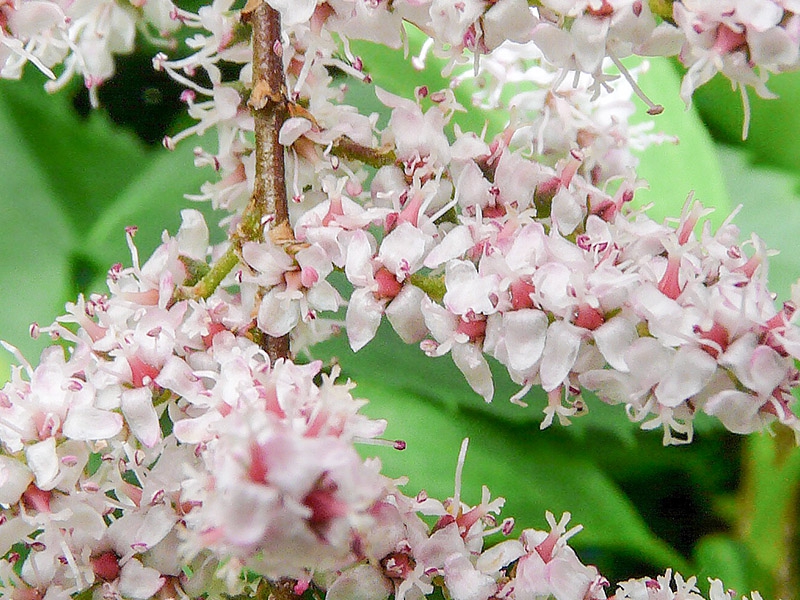
Below is information regarding Tamarix parviflora. Growth CharacteristicsTamarix parviflora grows as a small tree or shrub, typically reaching heights of 2 to 5 meters. This plant is native primarily to the Mediterranean region and is resistant to salinity and drought. Its leaves are small and scale-like, and its pink flowers bloom from spring to early summer. Propagation MethodsTamarix parviflora can be propagated by both seeds and cuttings. When propagating by seeds, it is important to ensure that mature seeds are thoroughly dried before sowing. For propagation by cuttings, new branches can be cut in the spring and either placed in water or planted directly in the ground to encourage rooting. Cultivation MethodsThis plant thrives best in sunny locations. Well-drained sandy soil is suitable; root rot may occur in poorly drained soil. Regular watering is necessary during the initial growth stage, but afterward, it is drought-tolerant, so less watering is required. Uses in GardensTamamosa parviflora is widely used as an ornamental plant in gardens. It is particularly suitable for landscaping construction sites or coastal areas due to its low maintenance requirements and unique appearance. Important Pests and Control Methods While it is relatively resistant to pests, pests may occasionally appear on the leaves. Pests such as aphids are the most common, so regular pest control is recommended to prevent them. If necessary, biological control methods or the use of appropriate insecticides are advised. Thanks to these characteristics, Tamamosa parviflora is a relatively easy plant to care for and can adapt well to various environments.
Plant Type
Plant Family
tungsai family
Height
2.5~3m
Spread
Colors
pink
Bloom Period
March to September
Water Needs
commonly
Exposure
Sunny
Freezing Resistance
-15°C
Marigold Lemon
Tagetes lemmonii
sage
Tamarix chinensis