English
한국어
English
Español
中文
हिंदी
Home
News
Community
Dictionary
English
한국어
English
Español
中文
हिंदी
View list
Hwamancho
Aptenia cordifolia
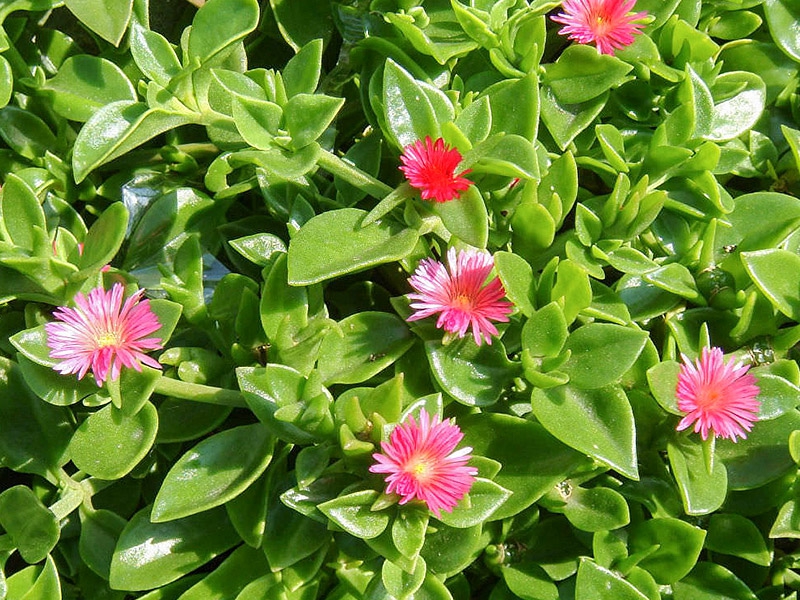
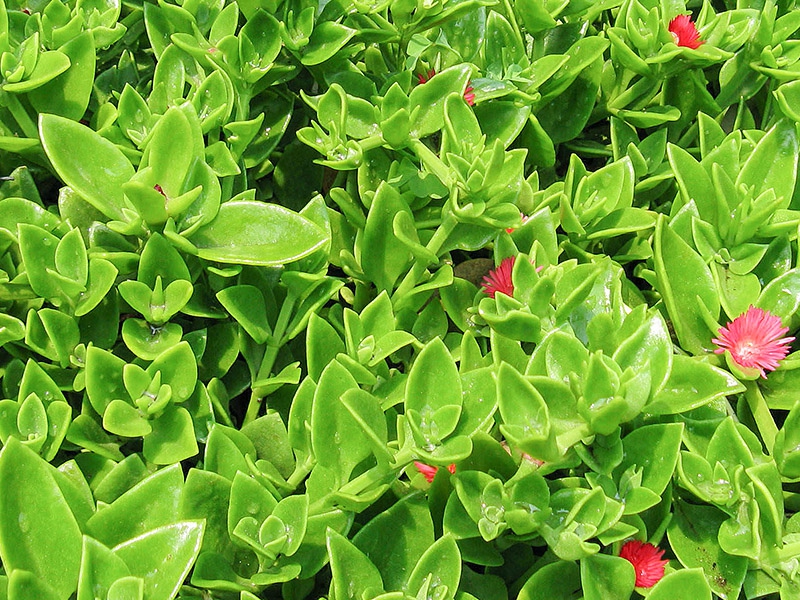
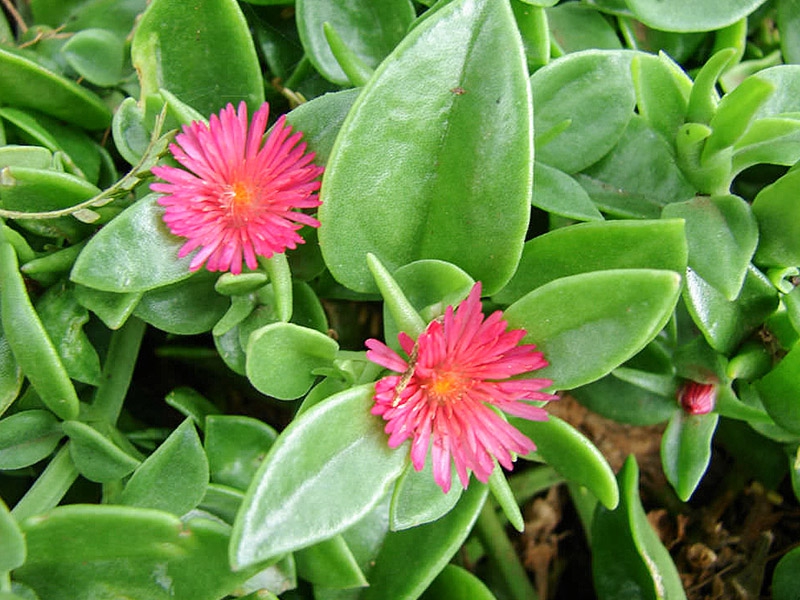
Aptenia cordifolia is a perennial plant with succulent leaves, primarily used as ground cover. The following is information regarding Aptenia cordifolia's growth characteristics, propagation methods, cultivation methods, garden uses, major pests and diseases, and control methods. Growth Characteristics - Sunlight and Temperature: Aptenia cordifolia prefers sunlight but also grows well in partial shade. It thrives in warm climates but can tolerate light frost to some extent. - Soil: It prefers well-drained soil. It is a drought-tolerant plant that can grow well even in somewhat dry environments. - Watering: It is susceptible to overwatering, so it is best to water only after the soil has completely dried. Propagation Methods - Cuttings: Aptenia cordifolia can be easily propagated by stem cuttings. Cut a healthy stem, let it dry for a few hours, and then plant it in well-draining soil to develop roots. Cultivation Methods - Planting: It is best to plant in spring or early summer. Once planted, it grows well and can take up a lot of space, so plant them at appropriate intervals. - Fertilizer: Although it grows well without special fertilizer, applying a small amount of slow-release fertilizer every spring promotes growth. Uses in the Garden - Ground Cover: Hwangmancho excels at covering the ground in a mat-like form, making it suitable for ground cover on slopes or inclines. - Pot Cultivation: As a succulent, it can be grown in pots both indoors and outdoors. It is recommended to use pots with drainage holes. Major Pests and Diseases & Control Methods - Diseases: Root rot can occur due to excessive moisture or poor ventilation. Pay attention to drainage and airflow. - Pests: Aphids and scale insects may occur. These pests can be removed by hand or by using appropriate insecticides. - Control Methods: As a preventive measure, it is important to ensure good air circulation and avoid excessive humidity by properly adjusting watering schedules. The Japanese quince is a plant suitable for beginner gardeners due to its simple structure and ease of care. It is useful as it can be utilized in various ways in the garden.
Plant Type
Plant Family
Pomegranate family
Height
15cm
Spread
30~60cm
Colors
red
Bloom Period
March to August
Water Needs
Bad
Exposure
Sunny
Freezing Resistance
-5°C
Cape magpie
Aponogeton distachyos
Hwamancho 'Variegata'
Aptenia cordifolia 'Variegata'