English
한국어
English
Español
中文
हिंदी
Home
News
Community
Dictionary
English
한국어
English
Español
中文
हिंदी
View list
sagging pole
Catolobus pendulus
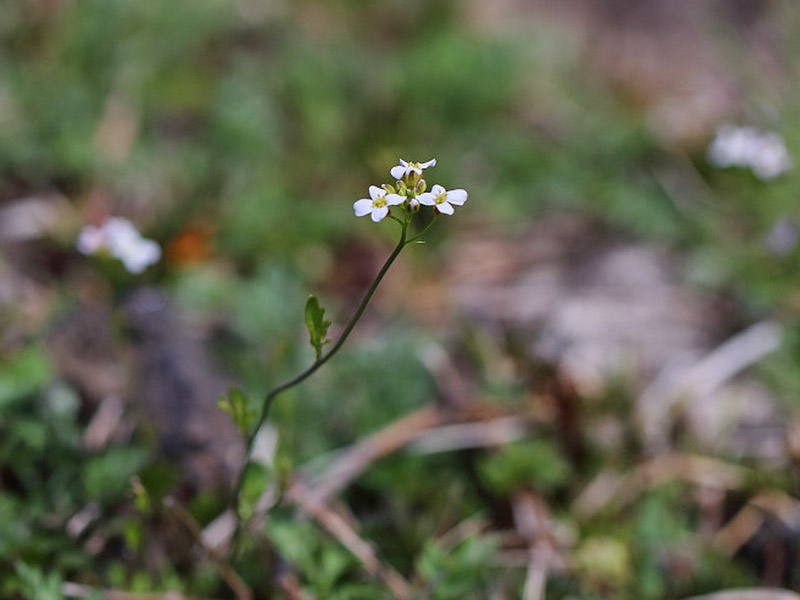
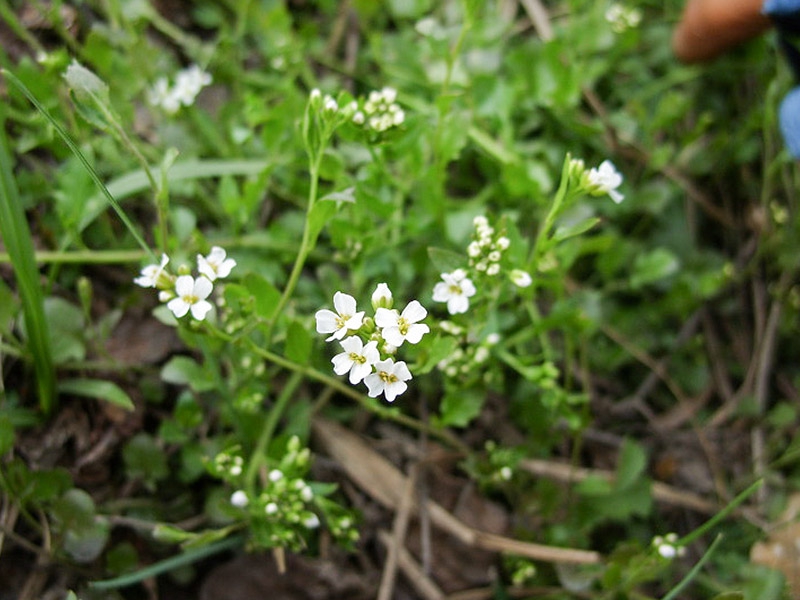
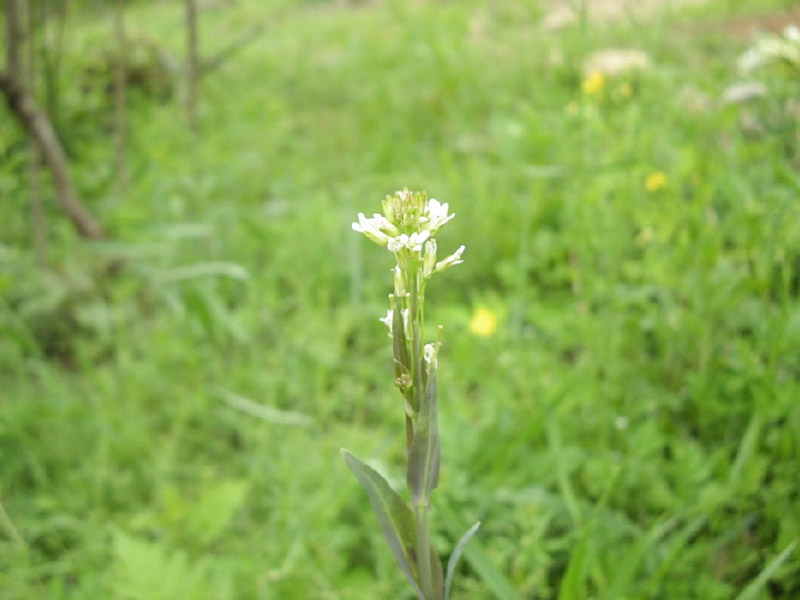
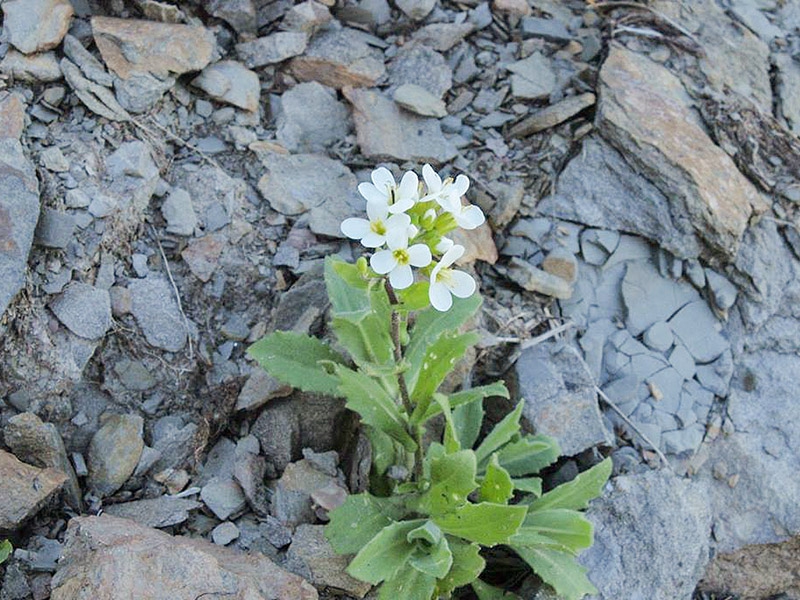
Catolobus pendulus is a perennial herb that grows primarily in wetlands or along water's edge. It grows to a height of approximately 1 to 2 meters and is characterized by its long, trailing stems. The leaves are long and oval-shaped and green. Propagation is mainly achieved through seeds; mature seeds are collected in the autumn and sown the following spring. It has strong reproductive capabilities and spreads easily. Suitable cultivation methods include sunny locations and soil with sufficient moisture. Watering should be done frequently to keep the soil consistently moist. However, caution is required as overwatering can cause root rot. In gardens, it is mainly used for riparian planting or as a landscape element in natural gardens. The trailing stems add an elegant atmosphere, and it is particularly beautiful when introduced in clusters. Major pests include root rot and leaf blight; to prevent these, it is important to ensure good ventilation and cultivate the plant in well-drained soil. In the event of pest or disease outbreaks, control can be achieved using appropriate fungicides. While generally resistant to pests, pest control agents should be used for management when an infestation occurs.
Plant Type
Plant Family
Cruciferae
Height
35~75cm
Spread
Colors
white
Bloom Period
May to June
Water Needs
commonly
Exposure
semi-shaded area
Freezing Resistance
-20°C
Pedulla the sagging pole
Arabis pedula
Hairy pole Hirsuta
Arabis hirsuta