English
한국어
English
Español
中文
हिंदी
Home
News
Community
Dictionary
English
한국어
English
Español
中文
हिंदी
View list
tailed fern
Arachniodes simplicior
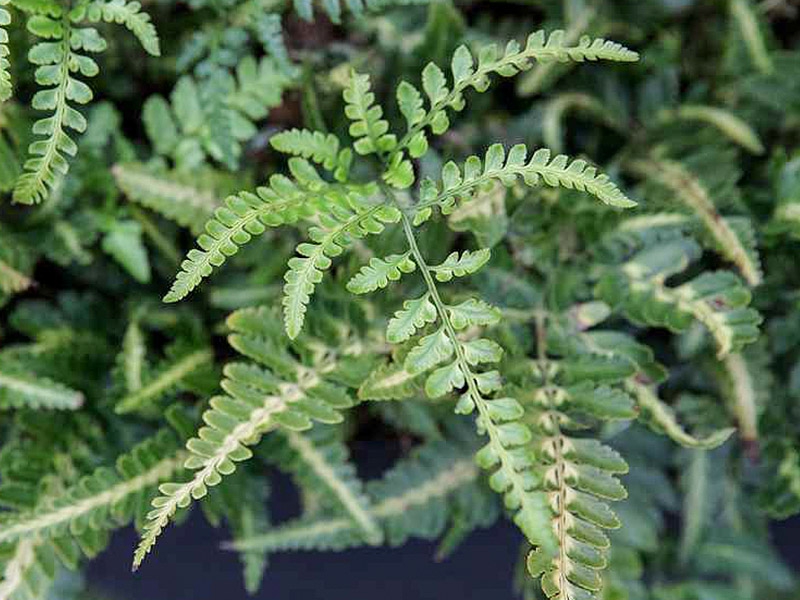
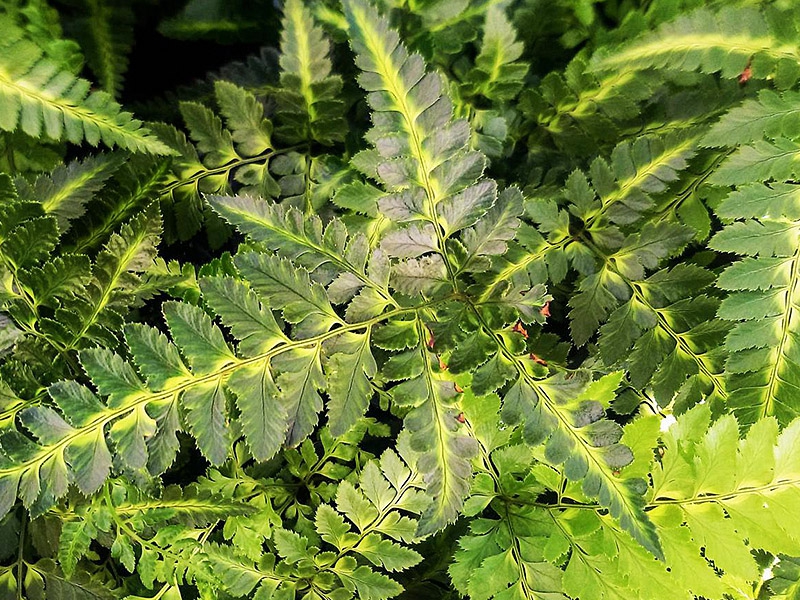
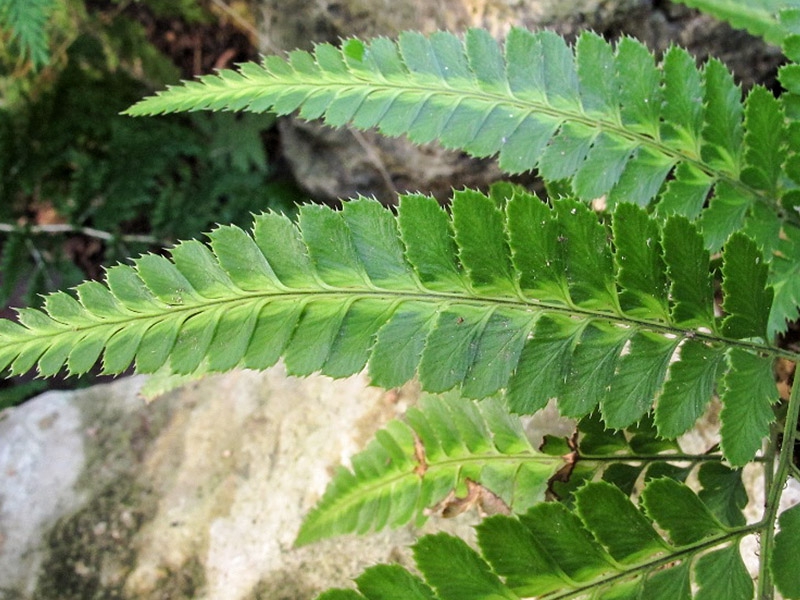
Arachniodes simplicior is a plant with unique and beautiful leaves. The following describes its growth characteristics, propagation methods, cultivation methods, garden uses, and major pests and diseases, as well as control methods. Growth Characteristics - Environmental Requirements: It thrives in partial shade and prefers moist, well-drained soil. It grows well in indirect light rather than direct sunlight. - Temperature: It grows well in temperate climates, but excessively low temperatures should be avoided during winter. Propagation Methods - Division: In spring or autumn, dig up mature plants, separate the roots, and plant them in a new location. - Spore Propagation: Another method involves collecting spores from the undersides of leaves, germinating them indoors, and then transplanting them. Cultivation Methods - Soil: Fertile, well-drained soil is suitable, and soil rich in organic matter is preferred. - Watering: Avoid excessive moisture and keep the soil sufficiently moist. - Fertilizer: It is recommended to use slow-release fertilizer during the spring and summer growing seasons. Uses in the Garden - Ornamental: It is suitable for planting in shady gardens or under trees, and can also be grown in pots for indoor decoration. - Landscape Creation: Plant it alongside other shade-loving plants to create a colorful landscape in the garden. Important Pests and Control Methods - Diseases: It is generally resistant to pests and diseases, but fungal diseases may occur if humidity is too high. To prevent this, ensure good ventilation and avoid excessive moisture. - Pests: Aphids or scale insects may occur; control them using soapy water or eco-friendly insecticides if necessary. By following the care methods above, you can grow a healthy and beautiful Pterocarya simplicchior.
Plant Type
Plant Family
The audience and
Height
70cm
Spread
Colors
sporophyte
Bloom Period
Water Needs
commonly
Exposure
semi-shaded area
Freezing Resistance
-10°C
large bracken
Arachniodes chinensis
slender bracken
Arachniodes exilis