English
한국어
English
Español
中文
हिंदी
Home
News
Community
Dictionary
English
한국어
English
Español
中文
हिंदी
View list
slender bracken
Arachniodes exilis
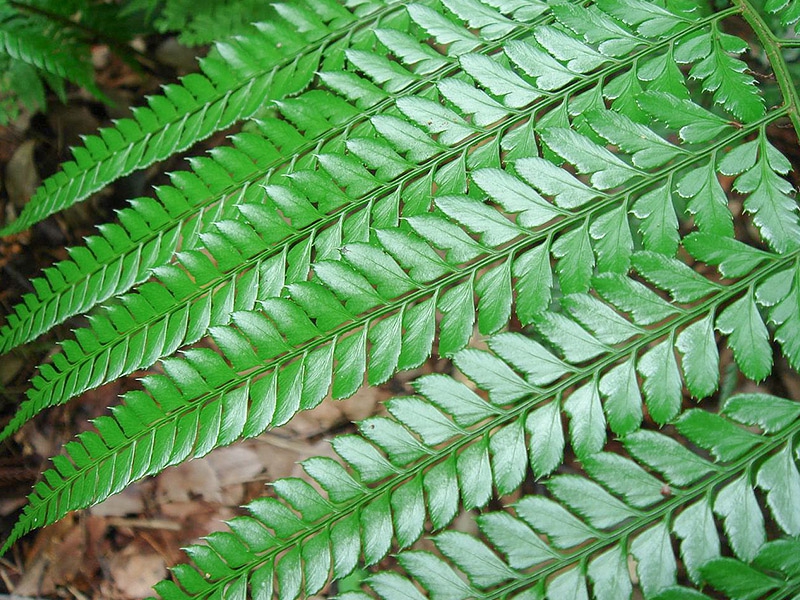
Arachniodes exilis is a fern commonly found in the forest areas of Korea. Growth Characteristics - Environment: It thrives in partial shade and prefers moist soil. - Morphology: The leaves are typically light green with finely serrated edges. The rhizome forms the main part of the root system, from which new leaves sprout. - Growth Rate: It grows relatively slowly and thrives most healthily when constant moisture and temperature are maintained. Propagation Methods - Spore Propagation: It reproduces via spores. Spores are produced in sporangia located on the undersides of the leaves. - Transplanting: It can also be propagated by dividing and transplanting young plants. Dividing and planting rhizomes during the growing season results in new individuals. Cultivation Methods - Soil: Well-drained soil containing sufficient organic matter is ideal. 2. Watering: Water regularly to prevent excessive dryness, and maintain moisture, especially during the summer. - Temperature: Since it prefers cool temperatures, it is recommended to provide partial shade during the hot summer months. Garden Use It can be used as an ornamental plant primarily in gardens with plenty of shade or humidity. When placed alongside other ferns, it can create the atmosphere of a natural forest. Important Pests and Control Methods - Diseases: Root rot can occur mainly due to excessive moisture, so ensure good drainage. - Pests: Damage caused by pests such as insects is relatively minor; however, if they do occur, they can be eliminated through eco-friendly control methods. Based on this information, you can keep the slender-leaved fern healthy by properly managing and cultivating it.
Plant Type
Plant Family
The audience and
Height
30~100cm
Spread
Colors
sporophyte
Bloom Period
Water Needs
commonly
Exposure
semi-shaded area
Freezing Resistance
-15°C
tailed fern
Arachniodes simplicior
small fern
Arachniodes sporadosora