English
한국어
English
Español
中文
हिंदी
Home
News
Community
Dictionary
English
한국어
English
Español
中文
हिंदी
View list
Aralia elata
Aralia elata
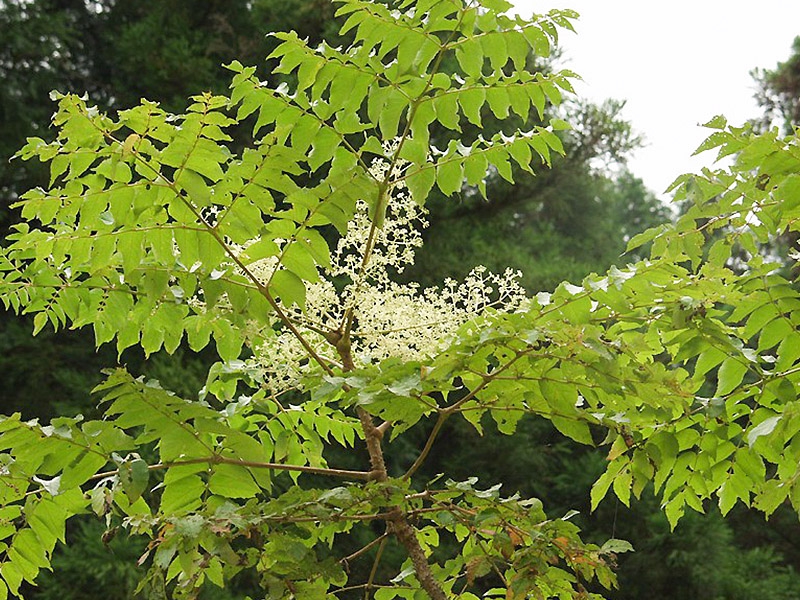
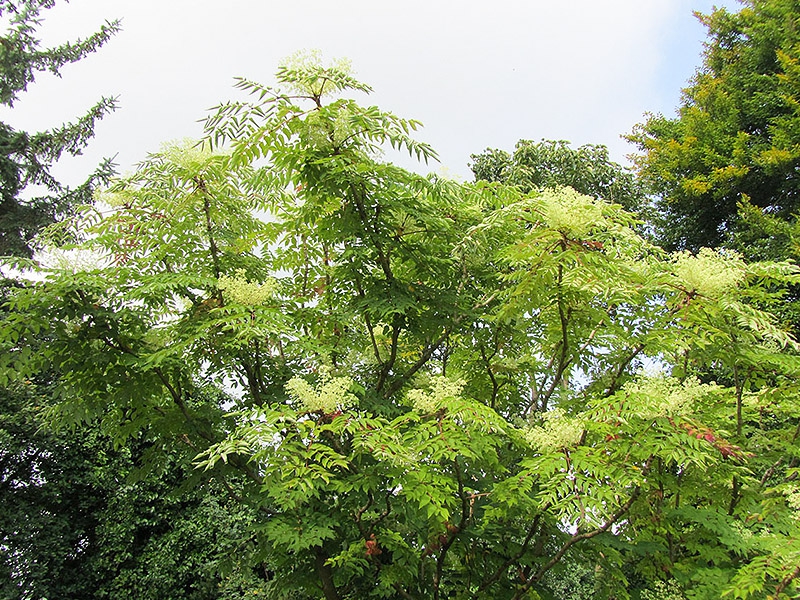
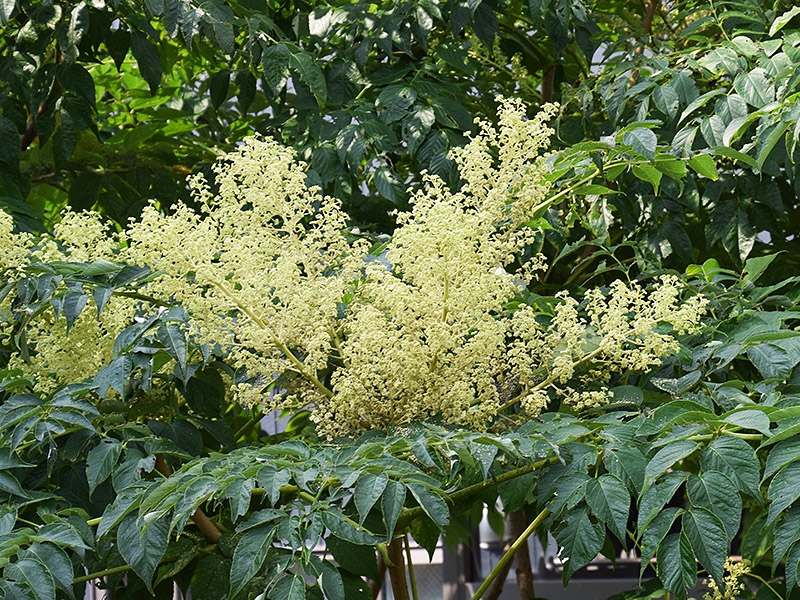
Aralia elata is a plant native to East Asia, including Korea, Japan, and China, and grows primarily in mountainous areas. The following is information regarding the Aralia elata's main growth characteristics, propagation methods, cultivation methods, garden uses, and important pests and diseases and control methods. Growth Characteristics - Classification: Aralia elata is a deciduous shrub that grows to a height of approximately 3 to 5 meters. - Leaves: The leaves are alternate and divided into multiple lobes resembling feathers. - Flowers and Fruits: White flowers bloom in July and August, and black fruits ripen in September and October. - Habitat: It thrives in sunny mountainous areas or forest edges. Propagation Methods - Seeds: Aralia elata can be propagated by seeds. Seeds are obtained by harvesting mature fruits in the autumn. Direct sowing or refrigerated sowing in the spring increases germination rates. - Cuttings: Propagation is also possible by cutting branches in the summer and planting them in soil. At this time, applying a rooting agent to the cut area facilitates rooting. Cultivation Method - Soil: Fertile and well-drained soil is suitable. - Location: It thrives in full sun or partial shade. - Watering: Be careful of overwatering and ensure sufficient moisture is supplied. Provide ample water, especially during the spring when new shoots emerge. - Fertilizer: Apply organic fertilizer during the spring growing season to promote growth. Uses in the Garden - Aralia elata is highly valued as a garden tree due to its beautiful appearance. The young shoots, in particular, are popular as food, so they are often grown as vegetables at home. Important Pests and Control Methods - Diseases: Aralia elata is relatively resistant to pests and diseases, but fungal diseases may occur in environments with excessive moisture and poor ventilation. - Control Methods: Remove diseased parts and use fungicides if necessary. - Pests: Pests such as aphids or leafhoppers may occur. - Control Method: Upon initial detection, wash them off with water or remove them using natural insecticides. In severe cases, use chemical insecticides for control. If you grow Aralia elata based on this information, you will be able to obtain an excellent garden tree.
Plant Type
Plant Family
Araliaceae
Height
3~4m
Spread
Colors
yellow
Bloom Period
August~September
Water Needs
commonly
Exposure
semi-shaded area
Freezing Resistance
-20°C
Amabilis
Arachniodes amabilis
Ground asparagus
Aralia cordata