English
한국어
English
Español
中文
हिंदी
Home
News
Community
Dictionary
English
한국어
English
Español
中文
हिंदी
View list
Tanquoana Hilmari
Tanquana hilmarii
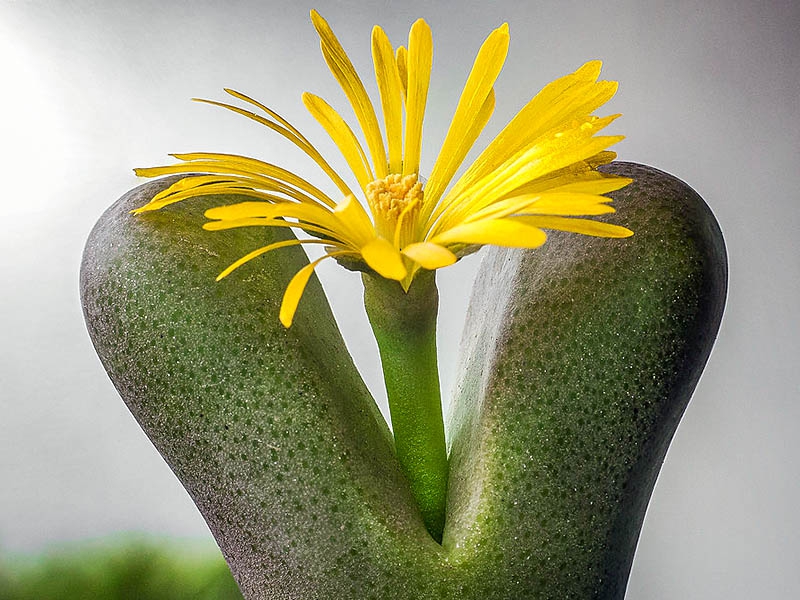
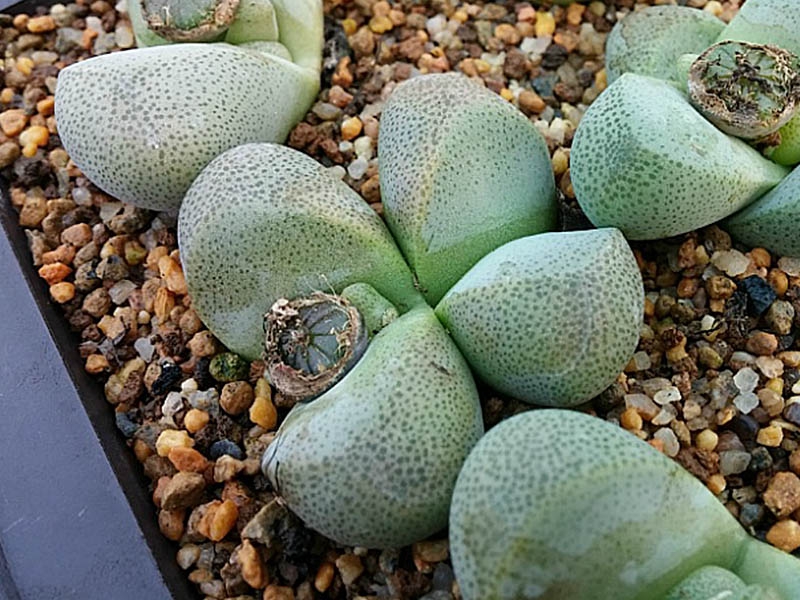
Tanquana hilmarii is a succulent plant native primarily to the South African region. The following is information regarding Tanquana hilmarii's growth characteristics, propagation methods, cultivation methods, garden uses, and major pests and diseases, as well as control methods. Growth Characteristics - Ecological Environment: This plant adapts well to dry and hot environments and prefers strong sunlight. It thrives in well-drained soil. - Humidity and Watering: It is susceptible to overwatering, so it is important to maintain a dry state. Watering should be done moderately during the growing season, and it is recommended to reduce watering during the dormant period. - Temperature: While it prefers warm temperatures, it can tolerate relatively low temperatures in winter. Propagation Methods - Seed Propagation: It can be propagated by seeds. Seeds should be planted shallowly, and germination is induced at a constant temperature and humidity. - Cutting Propagation: It can be propagated by cutting off branches and planting them in potting soil. Allow the cut parts to dry for a few hours before planting. Cultivation Method - Soil: Well-draining soil mixed with sand or gravel is ideal. - Care: Provide nutrients periodically during spring and summer, and adjust watering schedules during autumn and winter to prepare for dormancy. - Sunlight: It is best to grow it in a location with direct sunlight. However, avoid excessively strong sunlight. Garden Use - Suitable for ornamental purposes; it can also be successfully grown indoors in pots. In the garden, it looks beautiful when placed in a stone or gravel garden. Important Pests and Control Methods - Pests: Scale insects and aphids may occur. To control them, it is recommended to inspect the plant regularly and remove any pests found immediately. - Diseases: Root rot can occur due to excessive moisture. This can be prevented by adjusting watering schedules. If root rot occurs, it is necessary to cut off the infected parts and replant in fresh soil. - Chemical Control: If pest infestations are severe, using appropriate pesticides can be helpful. If you follow the proper cultivation and care methods, Tanquoana Hilmari will grow healthily and maintain its beautiful appearance.
Plant Type
Plant Family
Pomegranate family
Height
15cm
Spread
Colors
yellow
Bloom Period
April~May
Water Needs
Bad
Exposure
semi-shaded area
Freezing Resistance
-5°C
Feverfew 'Aureum'
Tanacetum parthenium 'Aureum'
mountain dandelion
Taraxacum ohwianum