English
한국어
English
Español
中文
हिंदी
Home
News
Community
Dictionary
English
한국어
English
Español
中文
हिंदी
View list
Western dandelion
Taraxacum officinale
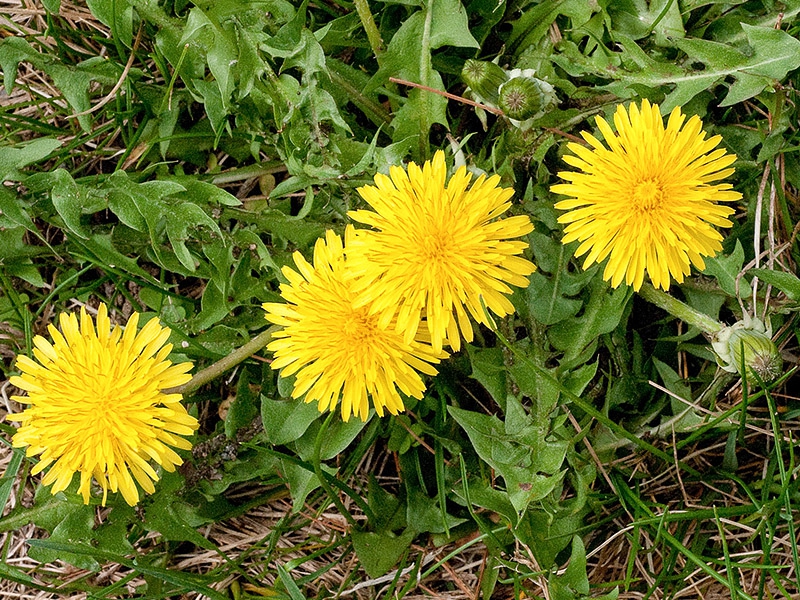
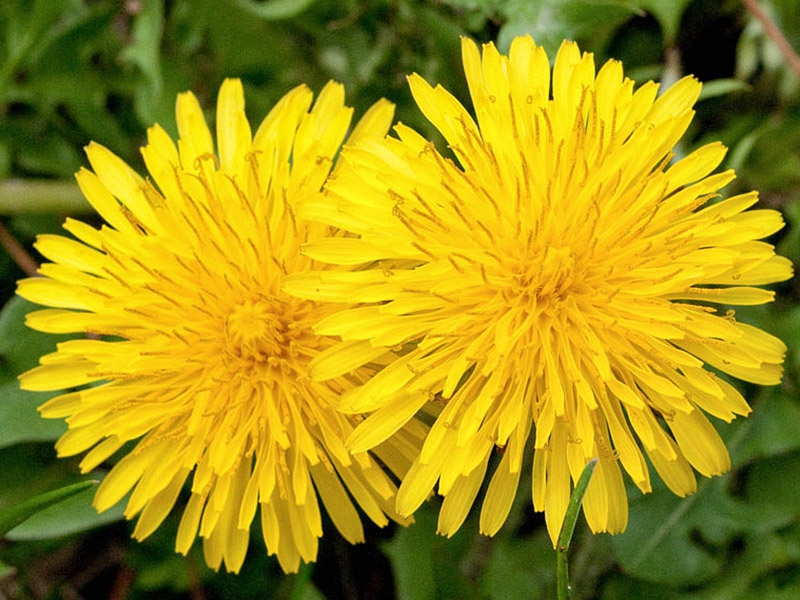
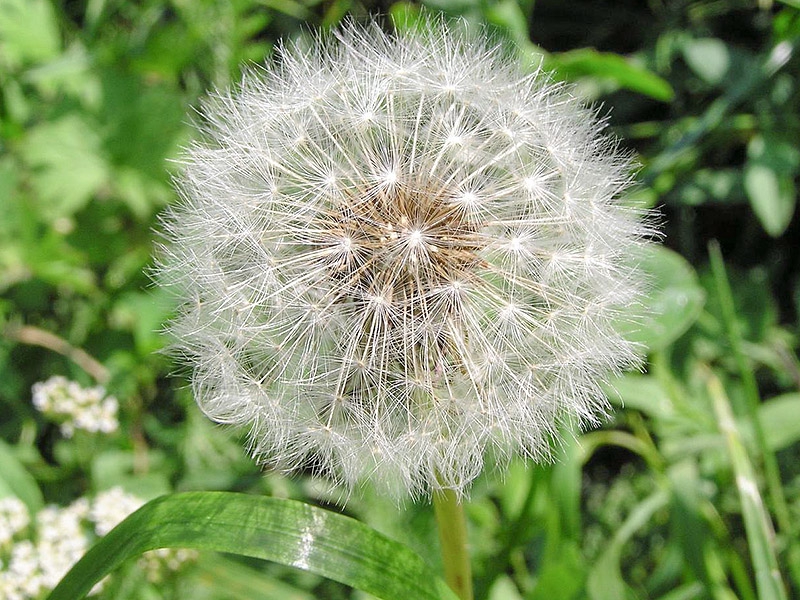
Taraxacum officinale, also known as the white-haired dandelion, is a perennial herbaceous plant belonging to the Asteraceae family and is commonly referred to simply as "dandelion." The following describes the plant's growth characteristics, propagation methods, cultivation methods, garden uses, major pests and diseases, and control methods. Growth Characteristics - Growing Environment: The white-haired dandelion thrives in sunny locations and exhibits strong adaptability to various soil conditions. It prefers well-drained soil. - Growth Form: It has rosette-shaped leaves and grows to a height of approximately 10 to 30 cm. It blooms from spring to autumn, and its yellow flowers are a distinctive feature. Propagation Methods - Seed Propagation: The white-haired dandelion primarily reproduces by seeds, which are dispersed far and wide by the wind. Germination usually occurs between spring and early summer. - Division: Propagation by dividing the clumps in spring or autumn is also possible. Cultivation Methods - Sowing Time: It is suitable to sow in spring or autumn, and the optimal germination temperature is 15–20 degrees Celsius. - Soil Management: Select well-drained soil and add organic fertilizer if necessary to replenish soil nutrients. - Watering: It does not require a particularly large amount of water, but water should be provided during dry periods. Uses in the Garden - Ornamental: It is used as a border plant in gardens or lawns, and its yellow flowers provide a visually striking effect. - Edible and Medicinal: The leaves and roots can be used for food and medicinal purposes. It is rich in vitamins and minerals. Major Pests and Control Methods - Diseases: Although white-haired dandelions are relatively resistant to disease, leaf mold or root rot may occur. To prevent this, proper watering and improved drainage are necessary. - Pests: Aphids or dandelion aphid infestations may occur. Natural control methods include using soapy water or removing them by hand. Suitable insecticides can be used if necessary. As such, white-haired dandelions are relatively easy to cultivate and can be utilized for various purposes in the garden.
Plant Type
Plant Family
Asteraceae
Height
2~5cm
Spread
Colors
yellow
Bloom Period
March to September
Water Needs
commonly
Exposure
Sunny
Freezing Resistance
-25°C
mountain dandelion
Taraxacum ohwianum
hairy dandelion
Taraxacum mongolicum